Choosing the right water heater for your home can feel confusing. Do you pick LP gas or electric? Both can give you the hot showers and clean dishes you need, but the way they work, their costs, and how they fit into your life are very different. If you’re building a new home, updating an old system, or just curious about which is better, understanding the real differences matters. Many people just look at the price tag, but there are other factors—like installation, safety, maintenance, and even how hot your water gets during a cold winter.
Let’s break down LP gas and electric water heaters in detail. You’ll learn how each one works, the true costs over time, and what everyday life with each is actually like. This guide will help you make a decision that fits your needs, your home, and your budget.
What Is An Lp Gas Water Heater?
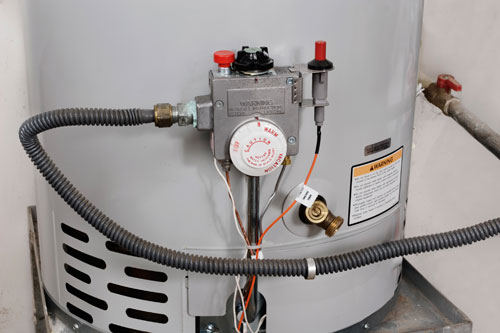
An LP gas water heater uses liquefied petroleum gas (usually propane) to heat water. LP stands for “liquefied petroleum.” This type of gas is stored as a liquid under pressure, usually in a tank outside your home.
When you turn on a hot water tap, cold water enters the heater. A gas burner at the bottom or inside a special chamber lights up. The flame quickly heats the water, which then flows to your faucet or shower.
Key features of LP gas water heaters:
- Use propane, not natural gas
- Need a storage tank for the gas (often outside)
- Can work during power outages (if you have a pilot light)
- Heat water quickly
- Come in tank or tankless models
Most people choose LP gas water heaters in areas where natural gas isn’t available. They’re common in rural homes, cabins, and places where electric power is expensive or unreliable.
What Is An electric water heater?
An electric water heater uses electricity to heat water. Instead of a flame, it has metal heating elements inside the tank or in a special unit (for tankless models). When you turn on the hot water, the elements heat up and warm the water passing over them.
Key features of electric water heaters:
- Use your home’s electrical supply
- No need for a fuel tank or venting
- Easy to install in most homes
- Work well with tank and tankless designs
- Often cheaper to buy, but may cost more to run
Electric water heaters are popular in cities, apartments, and places where electricity is affordable. They are also common in homes that use solar panels or off-grid power systems.
How Lp Gas And Electric Water Heaters Work
Understanding how each type heats water helps explain why they perform differently.
Lp Gas Water Heater Operation
- Ignition: When hot water is needed, the gas valve opens and a spark or pilot light ignites the burner.
- Heating: The burner heats the bottom of a metal tank or a heat exchanger in tankless models.
- Hot Water Delivery: As water heats, it rises to the top and moves to your tap. In tankless units, cold water flows through a coil, heating instantly.
- Exhaust: Burnt gases vent outside through a flue pipe.
Electric Water Heater Operation
- Power Supply: Electricity flows to heating elements inside the tank or tankless unit.
- Heating: The elements heat up, warming water in contact with them.
- Hot Water Delivery: Heated water rises in the tank or flows directly to your tap in a tankless system.
- No Exhaust Needed: Electric models don’t burn fuel, so there’s no need for venting.
Non-obvious insight: Electric water heaters don’t lose heat through flue pipes, making them slightly more efficient in holding heat inside the tank. However, their heating elements usually recover hot water more slowly after heavy use.
Cost Comparison: Purchase, Installation, And Operation
The real cost of a water heater isn’t just the price tag at the store. You have to consider installation, monthly bills, and maintenance.
Upfront Purchase Price
On average:
- Electric water heaters cost $300–$700 for a standard tank model.
- LP gas water heaters usually cost $400–$900 for similar sizes.
Tankless models for both types are more expensive, often $800–$2,000.
Installation Costs
- Electric water heaters are usually easier and cheaper to install—$200–$500, since they only need a power connection and basic plumbing.
- LP gas water heaters can cost $500–$1,500 to install. This includes connecting the propane tank, running gas lines, and installing vent pipes for exhaust.
Non-obvious insight: If you’re switching from electric to LP gas, you may need to add a propane tank and new venting, which can add $1,000 or more to the total cost.
Operating Costs
The cost to run a water heater depends on local energy prices and how much hot water you use.
Here’s a sample annual operating cost for a typical 50-gallon water heater, based on US averages:
| Type | Annual Energy Use | Average Cost |
|---|---|---|
| LP Gas | 200–250 therms | $350–$500 |
| Electric | 4,500–5,500 kWh | $500–$700 |
Key takeaway: LP gas is often cheaper to run than electric, especially if propane prices are low in your area.
Maintenance Costs
- Electric heaters need little maintenance—just flushing the tank yearly and checking the anode rod.
- LP gas heaters require more care. You’ll need to check the burner, venting, and gas connections regularly.
Efficiency And Performance
Water heater efficiency means how much energy goes to actually heating your water, and how much is wasted.
Energy Efficiency Ratings
- Electric models usually have higher “energy factor” ratings (0.90–0.95). Nearly all energy goes into heating water.
- LP gas models are less efficient (0.60–0.70) because some heat escapes through the vent.
Important note: Even though electric units are more efficient, electricity is usually more expensive than propane per unit of energy. This can make them costlier to run.
Hot Water Recovery Rate
- LP gas heaters reheat water faster—about 30–40 gallons per hour.
- Electric heaters are slower, often 15–25 gallons per hour.
Practical impact: If you have a big family or use lots of hot water at once, LP gas can keep up better.
Performance In Cold Climates
- LP gas heaters perform better in cold weather, because their burners heat water quickly, even if the incoming water is very cold.
- Electric heaters can struggle to keep up in winter, especially if undersized.
Installation: What’s Involved?
Lp Gas Water Heater Installation
- You’ll need a propane tank—usually installed outside.
- A licensed plumber or gas technician must connect the gas line and ensure there are no leaks.
- Proper venting is required to remove exhaust gases.
- Local building codes may require a permit.
Electric Water Heater Installation
- Needs only plumbing and an electrical connection.
- No venting or gas lines are needed.
- Usually a faster, simpler process.
Non-obvious insight: Many older homes may not have a 240-volt circuit for an electric heater. Adding one can increase installation costs.
Safety Considerations
Lp Gas Water Heaters
Potential risks:
- Gas leaks can lead to fire or explosion.
- Carbon monoxide can build up if venting fails.
- Requires careful installation and regular checks.
Safety tips:
- Install carbon monoxide detectors near the unit.
- Get the system inspected yearly.
- Make sure the area around the heater is clear of flammable items.
Electric Water Heaters
Potential risks:
- Electrical shocks if wiring is faulty.
- Water leaks can cause short-circuits.
Safety tips:
- Always have a qualified electrician do the wiring.
- Install a ground-fault circuit interrupter (GFCI).
- Check for leaks around the unit and connections.
Real-world example: Many insurance companies will ask about your water heater type because LP gas has more fire risk, while electric heaters are usually considered safer if installed properly.
Environmental Impact
Lp Gas
- Propane is a fossil fuel, but it burns cleaner than oil or coal.
- Produces carbon dioxide and some air pollutants.
- Requires delivery trucks to refill tanks, which adds to emissions.
Electric
- If your electricity comes from renewable sources (like solar or wind), electric heaters can be nearly zero-emission.
- If power comes from coal or natural gas, the environmental impact can be higher than LP gas.
Non-obvious insight: Some areas let you sign up for “green power” programs, which can make your electric water heater much more eco-friendly.
Credit: www.whriley.com
Lifespan And Durability
Both LP gas and electric water heaters last around 8–12 years for tank models, sometimes longer with good maintenance.
Tankless models (for both) can last 15–20 years or more, because they don’t store water that causes tank corrosion.
Factors that affect lifespan:
- Water quality: Hard water causes faster wear.
- Maintenance: Flushing the tank and checking parts helps both types last longer.
- Usage: Heavy use shortens life, especially for tank models.
Space And Location Needs
Lp Gas Water Heaters
- Need space for a propane tank outside.
- Must be installed where venting is possible—usually a basement, garage, or utility room.
- Require more clearance around the unit for safety.
Electric Water Heaters
- Can be installed almost anywhere with plumbing and power—a closet, under stairs, even inside apartments.
- No need for venting or outside tanks.
- Compact, especially tankless models.
Insight: If you live in a small home or apartment, electric is usually much easier to fit.
Hot Water Output: Which Heats Faster?
LP gas water heaters have a clear edge in heating speed. A typical 50-gallon LP gas tank can recover 35–40 gallons of hot water per hour. Electric models usually manage about 20 gallons in the same time.
Why does this matter?
- For families with high hot water use (multiple showers, washing, dishwashing at once), LP gas means less waiting.
- For single people or small households, electric speed is usually fine.
Tankless units: Both LP gas and electric tankless heaters can provide endless hot water, but gas tankless units can handle higher flow rates (multiple showers at once) better than electric ones.
Long-term Reliability
Electric water heaters have fewer moving parts and no combustion, so there’s less that can go wrong. Most failures are due to heating elements, thermostats, or tank leaks.
LP gas water heaters have more complex parts—burners, gas valves, and venting—all of which can fail or need repair. However, many homeowners find gas models last a bit longer if well maintained.
Interesting fact: Electric units are less likely to suffer from “pilot light outages” or burner clogs, making them more reliable in the long run for some users.
:strip_icc()/BHG-Gas-vs-Electric-Water-Heater_-1059805730_1645636403-39880cc002634c388546102416cb7aca.jpg)
Credit: www.hjservis.cz
Pros And Cons: Lp Gas Vs. Electric Water Heaters
To help you compare, here’s a summary of the main advantages and disadvantages:
| Feature | LP Gas | Electric |
|---|---|---|
| Installation Cost | Higher | Lower |
| Operating Cost | Lower (usually) | Higher |
| Heating Speed | Faster | Slower |
| Eco-Friendliness | Moderate | High (if renewables used) |
| Safety | Requires careful handling | Safer if installed well |
| Space Needed | More (tank + vent) | Less |
| Works in Outages | Yes (pilot light models) | No |
Real-world Scenarios: Which Is Best For You?
Choosing between LP gas and electric water heaters depends on your specific situation.
When Lp Gas Is Best
- Rural homes without access to natural gas.
- High hot water demand (large families, many bathrooms).
- Areas with expensive electricity or unreliable power.
- Homes where fast recovery of hot water is important.
Example: A farmhouse with a big family, frequent power cuts, and a large kitchen may benefit from LP gas.
When Electric Is Best
- Small homes or apartments with limited space.
- Areas where electricity is cheap or comes from renewables.
- Homes with solar panels or off-grid power systems.
- People wanting easy installation and less maintenance.
Example: A city apartment or a solar-powered tiny house can use an electric heater with little hassle.
Common Mistakes When Choosing
- Ignoring operating costs: Some buyers only look at purchase price and forget monthly bills.
- Wrong size: Undersized heaters can’t keep up; oversized ones waste energy.
- Skipping proper installation: Gas units especially need licensed installers.
- Not checking venting needs: LP gas units need safe exhaust venting—don’t cut corners.
- Not planning for power outages: If your area loses power often, electric units may leave you without hot water.
Expert tip: Always check local building codes and speak to a professional before deciding. Some homes can’t use LP gas due to safety rules.
New Technologies And Trends
Water heating is changing fast. Here are some trends:
- Hybrid heat pump electric water heaters: Use electricity and outside air to heat water very efficiently.
- Smart controls: Let you monitor and adjust water heater settings from your phone.
- Ultra-high-efficiency gas units: Condensing LP gas water heaters capture more heat from exhaust.
- Solar hot water systems: Can work with electric or LP gas as a backup.
Interesting insight: Many utility companies offer rebates for energy-efficient heaters. Always check before buying.
Making Your Decision: Key Questions To Ask
Before choosing, consider:
- What’s your local energy cost? Compare LP gas and electricity rates.
- How much hot water do you use? Big families need faster recovery.
- Is space an issue? Electric heaters are smaller.
- Is your area prone to power outages? LP gas can work without electricity.
- What’s your budget for installation? LP gas costs more to set up.
- How important is eco-friendliness? Electric is greener with renewable power.
- Do you want low maintenance? Electric is simpler.
How To Switch From One Type To Another
Switching from electric to LP gas (or vice versa) is possible, but it’s not always simple.
Going from electric to LP gas:
- You’ll need a propane tank, gas lines, and venting.
- May require building permits and inspections.
- Usually costs $1,000–$3,000, depending on setup.
Going from LP gas to electric:
- May need a new 240V electrical circuit.
- Easier if your home already has electric service.
Tip: Always hire a licensed professional for fuel-type changes.
Real User Experiences
Electric Water Heater Owners
- “We love the quiet operation—no noise or smell.”
- “Our apartment is small, and electric fit right in a closet.”
- “Our power bill went up, but maintenance is easy.”
Lp Gas Water Heater Owners
- “Hot water is always ready, even with four showers in a row.”
- “We had to refill the propane tank once in winter, which was inconvenient.”
- “Installation was expensive, but we save money on bills.”
Insight: Your location and usage patterns will shape your experience more than the brand or model.
Recommendations For Different Home Types
- Large, busy households: LP gas with a tank or tankless unit.
- Small families or couples: Electric, possibly a tankless or heat pump model.
- Remote or off-grid cabins: LP gas if no electricity, or electric with solar panels.
- Apartments: Electric (compact, easy to install).
Final Thoughts
The choice between LP gas and electric water heaters isn’t just about what’s cheaper or more popular. It’s about your family’s needs, the layout of your home, and what energy sources are best for you. Take time to compare installation, running costs, safety, and environmental impact.
Talk to local experts, check for rebates, and think about the future—especially if you plan to stay in your home for many years.
If you want more technical details about water heater efficiency, the US Department of Energy offers solid advice at energy.gov.
Frequently Asked Questions
What Is The Main Difference Between Lp Gas And Electric Water Heaters?
The main difference is the energy source. LP gas heaters use propane to heat water with a flame, while electric heaters use metal elements powered by electricity. This affects installation, costs, and performance.
Which Type Is Cheaper To Run In The Long Term?
Usually, LP gas water heaters cost less to operate if propane is affordable in your area. However, if electricity rates are low or you use solar power, electric heaters can be competitive.
Are Lp Gas Water Heaters Safe?
Yes, if installed and maintained correctly. However, there are risks—like gas leaks or carbon monoxide—so regular inspections are important. Electric heaters have fewer safety concerns.
Can I Install A Water Heater Myself?
It’s best to hire a licensed professional, especially for LP gas units. Gas installation has strict safety codes. Electric units can be DIY for skilled homeowners, but mistakes can be dangerous.
Which Heats Water Faster: Lp Gas Or Electric?
LP gas heaters heat water faster and recover more quickly after heavy use. Electric models are usually slower, but can keep up in small homes or with tankless units sized correctly.

Credit: beckpropane.com