
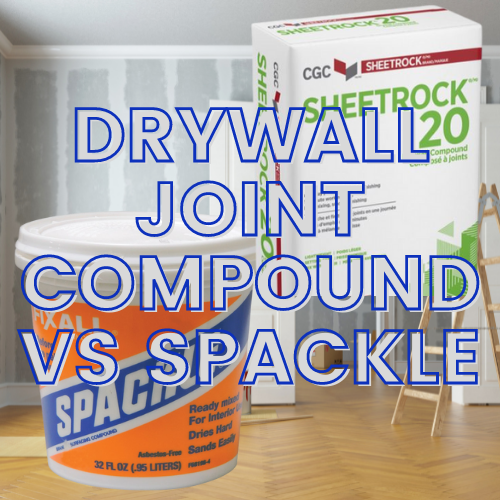
Are you standing in the hardware aisle, staring at shelves filled with joint compound and spackle, wondering which one you should choose for your next project? You’re not alone.
Many DIY enthusiasts and homeowners find themselves puzzled when it comes to selecting the right product for patching and smoothing walls. The difference might seem subtle at first, but choosing the wrong one could lead to a less-than-perfect finish or even more work down the line.
We’ll unravel the mystery between joint compound and spackle, helping you make an informed decision that ensures your project turns out just the way you envision it. Whether you’re fixing a tiny nail hole or tackling a major drywall repair, understanding these products can save you time and frustration. So, are you ready to discover which one is your perfect match? Keep reading to find out!
Materials Overview
Understanding the materials used in home renovation is crucial. Joint compound and spackle are popular choices for wall repair. Each has unique properties that suit different tasks. Knowing their composition helps make informed decisions.
Composition Of Joint Compound
Joint compound consists of gypsum dust mixed with water. This creates a thick paste. It’s used to seal drywall seams. The compound dries slowly, allowing more work time. It provides a smooth surface, ideal for painting.
Composition Of Spackle
Spackle is a lightweight, ready-to-use paste. It’s made from calcium carbonate and acrylic. Spackle dries quickly, perfect for small repairs. It shrinks less than joint compound. This makes it suitable for filling holes and cracks.
Credit: masterbuildingmaterials.com
Primary Uses
Understanding the primary uses of joint compound and spackle is crucial for effective home improvement. Both products serve specific functions in construction and renovation projects. Choosing the right one depends on the task at hand.
Applications For Joint Compound
Joint compound, often called drywall mud, is essential for large-scale drywall work. It covers seams between drywall sheets, creating a smooth surface. Professionals use it for taping drywall joints. The compound is also perfect for texturing walls and ceilings.
It is versatile for patching larger holes in walls. The compound is applied in layers, allowing for deep repairs. After drying, it can be sanded to perfection. Joint compound is ideal for extensive wall repairs.
Applications For Spackle
Spackle is excellent for small repair jobs. It is used to fix minor holes and cracks in walls. Spackle dries quickly, making it suitable for quick fixes. Homeowners often use it for nail holes and minor imperfections.
It is handy for repairing dents in drywall. Spackle is lightweight, easy to handle, and perfect for small touch-ups. Its fast drying time is useful for projects requiring immediate results.
Application Techniques
Choosing between joint compound and spackle depends on project needs. Joint compound is ideal for larger drywall repairs, offering smoother finishes. Spackle works best for small holes and quick fixes, drying faster for immediate use. Each has unique application techniques, ensuring effective results in different scenarios.
When tackling home improvement projects, especially drywall repairs, understanding the right application techniques for joint compound and spackle can make a world of difference. You might be wondering why some patches look flawless while others stand out like sore thumbs. The secret often lies in how you apply these materials. Proper techniques can enhance your repair work, making surfaces smooth and ready for paint. Let’s dive into the specific methods for each product.Applying Joint Compound
Applying joint compound requires a bit of patience and precision. First, ensure the surface is clean and free of dust. Begin by loading a small amount of joint compound onto a taping knife. Spread the compound over the seams or holes, pressing it firmly into the surface. For larger areas, use a wider knife to feather out the edges, creating a smooth transition. Don’t rush the drying process; allow each layer to dry thoroughly before sanding and applying additional coats. Remember, thin layers are your friend. They reduce drying time and help avoid cracks. One personal insight: I once tackled a large drywall repair and learned that patience is key. Rushing through layers resulted in a bumpy surface, requiring extra sanding. Taking time with each layer ensured a seamless finish.Applying Spackle
Spackle is your go-to for smaller repairs. Before applying, stir the spackle to ensure it’s smooth. Using a putty knife, scoop a small amount and press it into the hole or crack. Scrape off excess spackle, leaving a slight mound over the repair area. After it dries, sand the area lightly. Spackle dries faster than joint compound, so keep an eye on it. It’s ideal for nail holes and minor dings. A quick tip: consider using a damp sponge for light sanding; it minimizes dust and smooths the surface effectively. I recall fixing nail holes in my living room wall, and a damp sponge made cleanup a breeze, leaving no trace of dust behind. This small step saved time and improved the overall finish. Have you ever found yourself frustrated with uneven repairs? Consider whether your application technique might be the culprit. By refining your approach with these materials, you can achieve professional-looking results at home.
Credit: www.youtube.com
Drying And Curing Times
Understanding drying and curing times is crucial for wall repair projects. These times affect how soon you can proceed with painting or additional work. Knowing the differences can save you time and ensure a smooth finish. Let’s explore the drying times for joint compound and spackle.
Joint Compound Drying Time
Joint compound often takes longer to dry than spackle. Typically, it needs 24 hours to dry completely. Humidity and temperature can affect this time. Cooler and humid conditions slow the drying process. Always apply joint compound in thin layers. This helps it dry evenly. Thick layers can crack and take longer to dry. Ensure proper ventilation in your workspace. This speeds up the drying process.
Spackle Drying Time
Spackle dries faster than joint compound. It usually takes around 1 to 2 hours. Some quick-dry spackles may set in 30 minutes. This makes spackle a good choice for small repairs. Thin applications ensure faster drying. Just like joint compound, conditions affect drying. High humidity can slow the process. Always check the label for specific drying times. This ensures you follow the manufacturer’s guidelines.
Finish Quality
Deciding between joint compound and spackle depends on the needed finish quality. Joint compound is ideal for larger surface repairs, offering a smooth finish. Spackle works well for smaller holes and quick fixes, providing an easy-to-sand surface. Both ensure a polished look when applied correctly.
When you’re tackling a home improvement project, the finish quality of your walls can make or break the final look. Whether you’re a DIY enthusiast or hiring a professional, understanding the differences in finish quality between joint compound and spackle is crucial. Each product offers unique benefits, and your choice can affect the overall aesthetic and durability of your walls.Surface Finish With Joint Compound
Joint compound, often referred to as drywall mud, is your go-to for a smooth, professional finish. It’s designed for larger areas and is great for covering seams and embedding drywall tape. The compound dries to a smooth surface, allowing for seamless painting or wallpapering. You might find it takes a bit of practice to perfect your technique, but the results are well worth the effort. For instance, when I renovated my living room, using joint compound made the walls look flawless, even under direct lighting. Have you ever noticed how imperfections show up more in bright light? Joint compound minimizes that risk.Surface Finish With Spackle
Spackle is ideal for quick fixes and small repairs. It’s perfect for filling holes, dents, and cracks in drywall or plaster. Its quick-drying nature makes it convenient for those who want to finish a project in a single day. However, spackle typically doesn’t provide the same level of smoothness as joint compound. It’s best for smaller areas where a perfectly smooth surface isn’t as critical. I once used spackle to patch a few nail holes before painting a room. It saved time, but I noticed the texture wasn’t as refined compared to sections finished with joint compound. Do you need a quick fix, or are you aiming for a flawless finish? Your choice will guide your results.Understanding the differences in surface finish between joint compound and spackle can help you achieve the desired look for your project. Whether you prioritize speed or perfection, choosing the right product can enhance your home’s appeal.
Cost Considerations
Considering cost factors, joint compound is often less expensive for large projects. Spackle is ideal for small repairs, offering a quick fix. Deciding between the two depends on project size and budget constraints.
When planning a home renovation or a quick repair job, understanding the cost implications of materials like joint compound and spackle is crucial. These materials might seem similar at first glance, but their price points can vary significantly. Knowing where your money goes can help you make the best decision for your project and budget.Cost Of Joint Compound
Joint compound, often used for larger drywall repairs and finishing, typically comes in larger quantities. You can find it in tubs or boxes ranging from a few pounds to over 20 pounds. A 5-gallon bucket might set you back around $15 to $20, depending on the brand and quality. However, the cost isn’t just about the initial purchase. Think about the longevity and coverage. A large bucket might last through multiple projects, offering a better value in the long run. Have you ever bought a bulk item that seemed pricey at first but saved you money over time?Cost Of Spackle
Spackle, on the other hand, is often preferred for smaller, quick fixes. It’s available in smaller containers, typically ranging from a few ounces to a couple of pounds. A small tub can cost as little as $5 to $10. This price point makes it an attractive option for those unexpected, minor repairs. However, if you’re working on a larger area, you might find yourself buying multiple tubs, which can add up quickly. Is it worth opting for convenience over cost efficiency? When deciding between joint compound and spackle, consider the scale of your project. Large-scale renovations might warrant the investment in joint compound. For those minor dings, spackle might be the convenient choice. Have you ever been surprised by how quickly small expenses can accumulate? Share your thoughts and experiences in the comments below!Durability And Longevity
Choosing the right material for wall repairs matters. Joint compound and spackle are popular options. Understanding their durability and longevity can help make the best choice. Let’s dive into how each material holds up over time.
Durability Of Joint Compound
Joint compound is a versatile material. It’s used for finishing drywall seams and covering holes. Its composition includes gypsum, which offers strength. This makes it suitable for large repairs. Joint compound dries to a hard finish. It can withstand bumps and scrapes. It’s ideal for high-traffic areas. Over time, its durability ensures walls stay smooth and intact. Even with minor shifts in the wall structure, joint compound remains stable.
Durability Of Spackle
Spackle is known for quick fixes. It dries faster than joint compound. This makes it perfect for small holes and dents. Its formulation is lightweight and easy to apply. Spackle isn’t as tough as joint compound. It’s best for minor repairs in low-impact areas. Over time, spackle can chip or crack if stressed. For lasting repairs, consider the area’s use. Use spackle where little stress occurs.
Best Situations For Use
Joint compound is perfect for large drywall repairs and creating smooth surfaces. Spackle is ideal for minor holes and quick touch-ups on walls. Choose joint compound for major projects and spackle for small fixes.
When you’re tackling home improvement projects, understanding when to use joint compound versus spackle can make all the difference. Both materials are essential for wall repairs, but they shine in different scenarios. By knowing the best situations for their use, you can achieve a smooth, professional finish that enhances your living space. Let’s dive into the specifics to help you make the right choice for your next project.When To Choose Joint Compound
Joint compound, often called drywall mud, is your best friend for larger projects. It’s ideal for taping and finishing drywall seams. If you’re installing new drywall sheets, joint compound provides a smooth, continuous surface that’s paint-ready. This compound is also excellent for patching large holes or cracks in walls. Its slow drying time might seem like a drawback, but it allows you to work with the material to achieve a flawless finish. Have you ever tried to rush through a big project, only to regret it later? Joint compound gives you the time to perfect your work.When To Choose Spackle
Spackle is perfect for small, quick fixes. If you’ve got minor holes from picture frames or small dents, spackle is your go-to. Its fast-drying formula means you can repair and paint in a single day. This material is easy to use and doesn’t require much skill or time. Think about those times when you noticed a tiny imperfection right before guests arrived. A bit of spackle can save the day, making your walls look pristine in no time. Plus, it’s lightweight, making it easy to handle even for DIY beginners. Choosing between joint compound and spackle doesn’t have to be confusing. Just match the material to the task, and you’ll be on your way to a successful home repair. So, which one will you choose for your next project?
Credit: www.youtube.com
Frequently Asked Questions
What Is Joint Compound Used For?
Joint compound is used for sealing drywall seams and covering nail holes. It creates smooth wall surfaces.
Can Spackle Be Used On Drywall?
Yes, spackle is ideal for small drywall repairs. It’s perfect for filling minor holes and cracks.
Is Joint Compound Or Spackle Better For Large Repairs?
Joint compound is better for large repairs. It provides a smoother finish and is easier to sand.
Are Joint Compound And Spackle The Same?
No, they differ in composition and use. Joint compound is for drywall seams; spackle is for small repairs.
How Long Does Spackle Take To Dry?
Spackle dries in 1-2 hours. Drying time depends on the thickness and humidity.
Conclusion
Choosing between joint compound and spackle depends on your project needs. Joint compound works well for larger drywall repairs. Spackle is best for small holes and cracks. Both have their place in home repairs. Understand their differences before starting your project.
Use the right product for smoother results. This saves time and effort. Always read the instructions on the packaging. Proper application ensures a successful outcome. Remember, practice makes perfect. With patience, your walls will look great. Happy repairing!