
When it comes to first aid and wound care, you might find yourself standing in front of your medicine cabinet, wondering which bottle to reach for: iodine or hydrogen peroxide? Both are staples in many households, touted for their ability to clean and disinfect.
But do you know which one is truly best for your needs? Understanding the difference could mean faster healing and less discomfort for you or a loved one. Imagine having the confidence to choose the right antiseptic, every time. This article will guide you through the key differences, benefits, and potential drawbacks of iodine and hydrogen peroxide.
By the end, you’ll have a clear picture of which one deserves a spot in your first aid kit. Stick around to uncover the hidden truths that could transform your approach to wound care.
Credit: advanceseng.com
Iodine In Medicine
Iodine holds a significant place in medicine. Its versatile uses range from antiseptic applications to supporting thyroid health. This element has proven valuable in disinfecting wounds, showcasing its critical role in healthcare.
Antiseptic Properties
Iodine’s antiseptic properties are well-known. It effectively kills bacteria and viruses. Its application prevents infections and promotes healing. Doctors use it widely for skin preparation before surgery.
Role In Thyroid Health
Iodine is essential for thyroid health. It helps produce thyroid hormones. These hormones regulate metabolism and energy. Without enough iodine, thyroid function declines. This can lead to health problems.
Usage In Disinfecting Wounds
Iodine is a popular choice for disinfecting wounds. It cleans the area and stops bacterial growth. This prevents infections and aids in healing. Many first aid kits include iodine for immediate use.

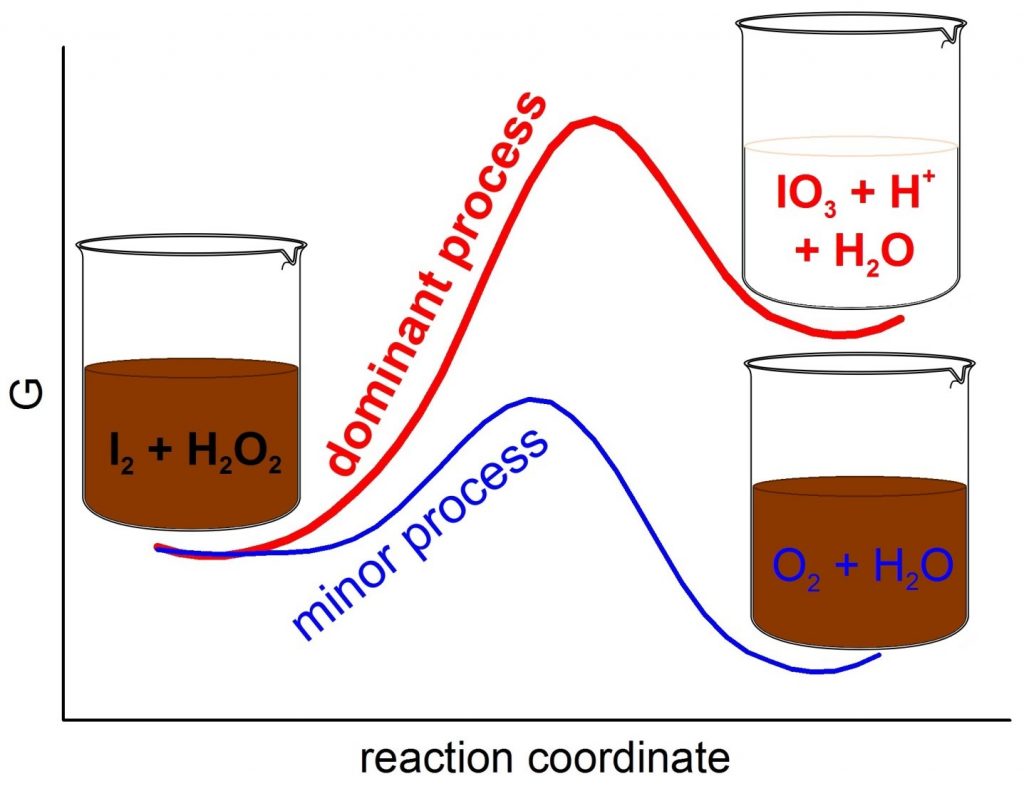
Credit: www.researchgate.net
Hydrogen Peroxide Uses
Hydrogen peroxide is a versatile compound with many uses. Its chemical makeup allows it to interact with various substances effectively. This makes it a popular choice in healthcare and household cleaning. Let’s explore its applications.
Antimicrobial Effects
Hydrogen peroxide acts as a powerful antimicrobial agent. It kills bacteria, viruses, and fungi. This is due to its ability to release oxygen. The oxygen disrupts the cellular structure of harmful organisms. This makes it useful for wound cleaning. It helps prevent infections by eliminating pathogens.
Applications In Oral Hygiene
Hydrogen peroxide plays a role in oral care. It helps whiten teeth. Its antibacterial properties reduce plaque and gum disease. Using hydrogen peroxide mouthwash can improve oral health. It also freshens breath. Many dental products contain hydrogen peroxide for these benefits.
Role In Cleaning And Disinfection
Hydrogen peroxide is effective in cleaning surfaces. It removes stains and disinfects kitchen and bathroom areas. It breaks down into water and oxygen, leaving no residue. This makes it safe for use around food. It’s a great alternative to harsh chemical cleaners. Hydrogen peroxide can also be used to sanitize laundry.
Comparing Efficacy
When you need to choose between iodine and hydrogen peroxide, understanding their efficacy is crucial. Both are popular antiseptics, but they work differently. Let’s delve into their speed of action, spectrum of activity, and stability and shelf life to help you make an informed decision.
Speed Of Action
Iodine acts fast against bacteria and viruses. It begins to kill germs almost immediately upon contact. This quick action makes it a favorite for minor cuts and scrapes.
Hydrogen peroxide also works rapidly, particularly against bacteria. However, it may take a bit longer to start killing viruses. If you’re in a hurry, iodine might be your go-to. But, does speed always mean effectiveness? You decide.
Spectrum Of Activity
Iodine has a broad spectrum, tackling bacteria, fungi, and viruses. This makes it versatile in various scenarios, from wound cleaning to skin disinfecting. It’s your reliable choice when facing unknown threats.
Hydrogen peroxide shines with its ability to kill bacteria and viruses effectively. Yet, its action against fungi is relatively weaker. For specific fungal infections, you might want to reconsider your option.
Stability And Shelf Life
When it comes to shelf life, iodine maintains its potency longer. It’s less sensitive to light and air, which helps in preserving its effectiveness. You can store it without worry.
Hydrogen peroxide is more fragile. Exposure to light and heat can degrade it quickly. If you’ve ever opened a bottle and found it less bubbly, you know what I mean. Keeping it in a cool, dark place is essential.
Choosing between iodine and hydrogen peroxide isn’t just about what works best. It’s about what suits your needs. Think about the speed, spectrum, and stability before making your choice. Which one do you trust more for your health and safety?
Credit: www.chegg.com
Safety Considerations
Understanding the safety considerations of iodine and hydrogen peroxide is crucial. Both substances have unique properties and uses. Yet, they require careful handling to ensure safety. Misuse can lead to health issues or accidents. Let’s explore their potential side effects, proper usage guidelines, and handling and storage.
Potential Side Effects
Iodine can cause skin irritation in sensitive individuals. Overuse may lead to thyroid dysfunction. Ingesting iodine in large amounts is harmful. Hydrogen peroxide can irritate the skin and eyes. High concentrations can burn tissues. Inhalation can lead to respiratory issues. Both substances require careful handling to avoid side effects.
Proper Usage Guidelines
Use iodine as directed by health professionals. Apply it on clean, dry skin. Avoid ingesting iodine unless prescribed. Hydrogen peroxide should be diluted before use. Use it externally for cleaning wounds. Never mix it with other substances. Follow instructions carefully for safe application.
Handling And Storage
Store iodine in a cool, dark place. Keep it away from children and pets. Ensure the cap is tightly sealed. Hydrogen peroxide should be stored similarly. Keep it in a stable container. Avoid exposure to light and heat. Follow storage guidelines to prevent accidents.
Environmental Impact
Iodine and hydrogen peroxide are common disinfectants. Both have unique environmental impacts. Understanding these effects helps in making informed choices. Let’s explore how they affect our environment.
Biodegradability
Hydrogen peroxide breaks down into water and oxygen. This process is quick and leaves no harmful residues. Its biodegradability makes it a preferred choice for eco-friendly practices.
Iodine does not break down easily. It can linger in soil and water. This persistence raises concerns about its long-term environmental impact.
Effects On Ecosystems
Hydrogen peroxide is generally safe for aquatic life. Its byproducts are harmless. This reduces the risk to ecosystems.
Iodine can be toxic to marine life. High concentrations may disrupt aquatic ecosystems. It can affect fish and other marine organisms.
Sustainable Alternatives
Seeking sustainable solutions is essential. Hydrogen peroxide offers a more eco-friendly choice. It aligns with green cleaning practices.
Consider natural disinfectants like vinegar or lemon juice. These alternatives are both safe and effective. They minimize environmental harm while ensuring cleanliness.
Choosing The Right Agent
Choosing between iodine and hydrogen peroxide can be confusing. Iodine is great for disinfecting wounds. Hydrogen peroxide is often used for cleaning minor cuts. Both have unique benefits.
Choosing the right antiseptic can be a crucial decision. It affects the effectiveness and safety of wound care. Iodine and hydrogen peroxide are popular options. Each has its own set of benefits and drawbacks. Picking the right one depends on various factors. Understanding these factors can help you make an informed choice.Specific Use Cases
Iodine is often used for deep cuts and surgical wounds. It’s effective against a wide range of bacteria. Hydrogen peroxide is suitable for minor cuts and scrapes. It helps clean the wound by releasing oxygen. This bubbling action can remove debris. Choose based on the type of wound you are treating.Personal Preferences
Some prefer iodine for its strong antiseptic properties. Others find the staining and smell off-putting. Hydrogen peroxide is clear and odorless, which many appreciate. The choice can also depend on skin sensitivity. Iodine may cause irritation for some people. Consider your comfort and skin type.Consulting Health Professionals
Always consult health professionals for serious injuries. They can provide guidance tailored to your needs. Doctors can advise on the best antiseptic for specific conditions. This ensures proper healing and minimizes complications. Trusting expert advice is always a wise choice.Frequently Asked Questions
What Are Iodine And Hydrogen Peroxide Used For?
Iodine and hydrogen peroxide are used as antiseptics. They kill bacteria and clean wounds.
Can Iodine And Hydrogen Peroxide Be Used Together?
Using both together is not recommended. They can cause skin irritation and reduce effectiveness.
Which Is Better For Wound Cleaning: Iodine Or Hydrogen Peroxide?
Both have benefits. Iodine is gentler, while hydrogen peroxide is stronger but can damage skin cells.
Is Iodine Safer Than Hydrogen Peroxide?
Iodine is generally safer for skin. Hydrogen peroxide can damage tissues if used too often.
Are There Side Effects Of Using Iodine Or Hydrogen Peroxide?
Yes, skin irritation can occur. It’s important to use them as directed and not overuse.
Conclusion
Choosing between iodine and hydrogen peroxide depends on your needs. Iodine works well for skin infections. Hydrogen peroxide is good for cleaning wounds. Both have their strengths. Iodine is gentle and effective. Hydrogen peroxide is strong and fast. Consider your situation and consult a professional if needed.
Each option offers unique benefits. Use wisely for better health outcomes. Remember, safety first in all health decisions. Proper use leads to effective results. Keep informed and make smart choices for your health.