
Storing tomato paste in the freezer is more than just a way to save leftovers—it’s a smart kitchen skill that prevents waste and makes cooking easier. Many people open a can of tomato paste, use one or two tablespoons, and then forget the rest in the fridge until it spoils.
But when you know how to freeze tomato paste correctly, you always have the right amount ready for your next recipe. Let’s break down every step, practical tip, and secret to keeping tomato paste fresh in your freezer, so you never have to throw any away again.
Why Freeze Tomato Paste?
Tomato paste is a staple in countless recipes, from stews to sauces and soups. It delivers a deep, rich tomato flavor that can transform a dish. However, most recipes only call for a small amount, leaving you with leftover paste.
Freezing is the best option for preserving its freshness and flavor.
When stored in the freezer, tomato paste can last for months without losing taste or quality. This not only saves money but also reduces food waste. Plus, having pre-portioned tomato paste lets you cook faster and more efficiently.
Understanding Tomato Paste: Types And Storage Challenges
Before diving into freezing methods, it’s helpful to know a bit about tomato paste itself and why proper storage matters.
Tomato paste is made by cooking tomatoes for hours, straining out seeds and skins, and reducing the liquid until it’s thick and concentrated. It comes in cans, tubes, and sometimes in glass jars. Canned tomato paste spoils quickly once opened because it has no added preservatives.
Tubes last longer in the fridge, but even they don’t keep forever.
Common Storage Mistakes
Many people make these mistakes with leftover tomato paste:
- Leaving it in the opened can in the fridge (this can give a metallic taste).
- Transferring it to a container but forgetting it for weeks.
- Not sealing it properly, which dries it out or causes mold.
Freezing solves these problems, but only if you do it the right way.
Tools And Supplies Needed
To store tomato paste in the freezer successfully, you’ll need a few basic items. Having the right tools makes the process cleaner and prevents freezer burn.
Essentials:
- Clean spoon or spatula
- Airtight containers (small plastic containers or glass jars)
- Heavy-duty freezer bags (zip-top)
- Ice cube tray or silicone molds (for portioning)
- Plastic wrap or parchment paper
- Permanent marker or freezer labels
While you don’t need every item on this list, using the best tools for your kitchen makes freezing easier and keeps your tomato paste tasting fresh.
Step-by-step Guide: How To Store Tomato Paste In Freezer
Let’s go through the process in detail, so you know exactly what to do from start to finish.
1. Portioning The Tomato Paste
The first step is to decide how much tomato paste you want in each portion. Most recipes use between 1 tablespoon and 2 tablespoons at a time. Portioning makes it easy to grab just what you need.
Methods For Portioning
- Spoonful Method: Scoop 1-tablespoon amounts onto a lined baking sheet, then freeze.
- Ice Cube Tray Method: Fill each compartment with tomato paste, then freeze.
- Silicone Mold Method: Use small molds for fun shapes or slightly larger portions.
Small, even portions save time and prevent thawing more paste than you need.
2. Pre-freezing (optional But Helpful)
Place the spooned portions, filled ice cube tray, or silicone mold in the freezer, uncovered, for 2-3 hours. This step, called pre-freezing, helps the paste hold its shape and makes packaging easier.
3. Packaging The Tomato Paste
Once the paste is solid, pop out the frozen portions and transfer them to an airtight container or freezer bag. Remove as much air as possible to prevent freezer burn.
Packaging Tips
- Use double-bagging for extra protection if your freezer is very cold or humid.
- Place a piece of parchment or wax paper between layers to keep the portions from sticking.
- Label each bag or container with the date and amount per portion.
4. Storing In The Freezer
Store the bag or container in the coldest part of your freezer, usually near the back. Properly packaged, frozen tomato paste lasts up to 6 months. After that, it may lose some flavor, but it’s still safe to eat for up to a year.
Comparison Of Storage Methods
Not sure which way to freeze tomato paste works best? Here’s a quick look at the most common methods.
| Method | Pros | Cons |
|---|---|---|
| Ice Cube Tray | Easy portioning, reusable, keeps shape | Requires tray, may stick if overfilled |
| Spoonful on Sheet | No special tools, flexible portion size | Can stick to tray, less uniform |
| Direct to Bag/Container | Quick, no extra step | Hard to separate portions, may freeze in a lump |
| Silicone Molds | Fun shapes, easy release | Requires purchase, storage space |
How To Thaw And Use Frozen Tomato Paste
One of the best things about frozen tomato paste is that you often don’t need to thaw it. Most recipes allow you to add the frozen portion straight to the pot, where it will melt quickly.
Thawing Options
- Direct to Pan: Drop a frozen cube or spoonful into hot oil or sauce and stir.
- Microwave: Place in a small bowl and microwave for 10-15 seconds.
- Room Temperature: Let sit on the counter for 10-20 minutes if you want it soft.
If you’re using tomato paste as a pizza base or for spreading, thawing first is a good idea for even spreading.
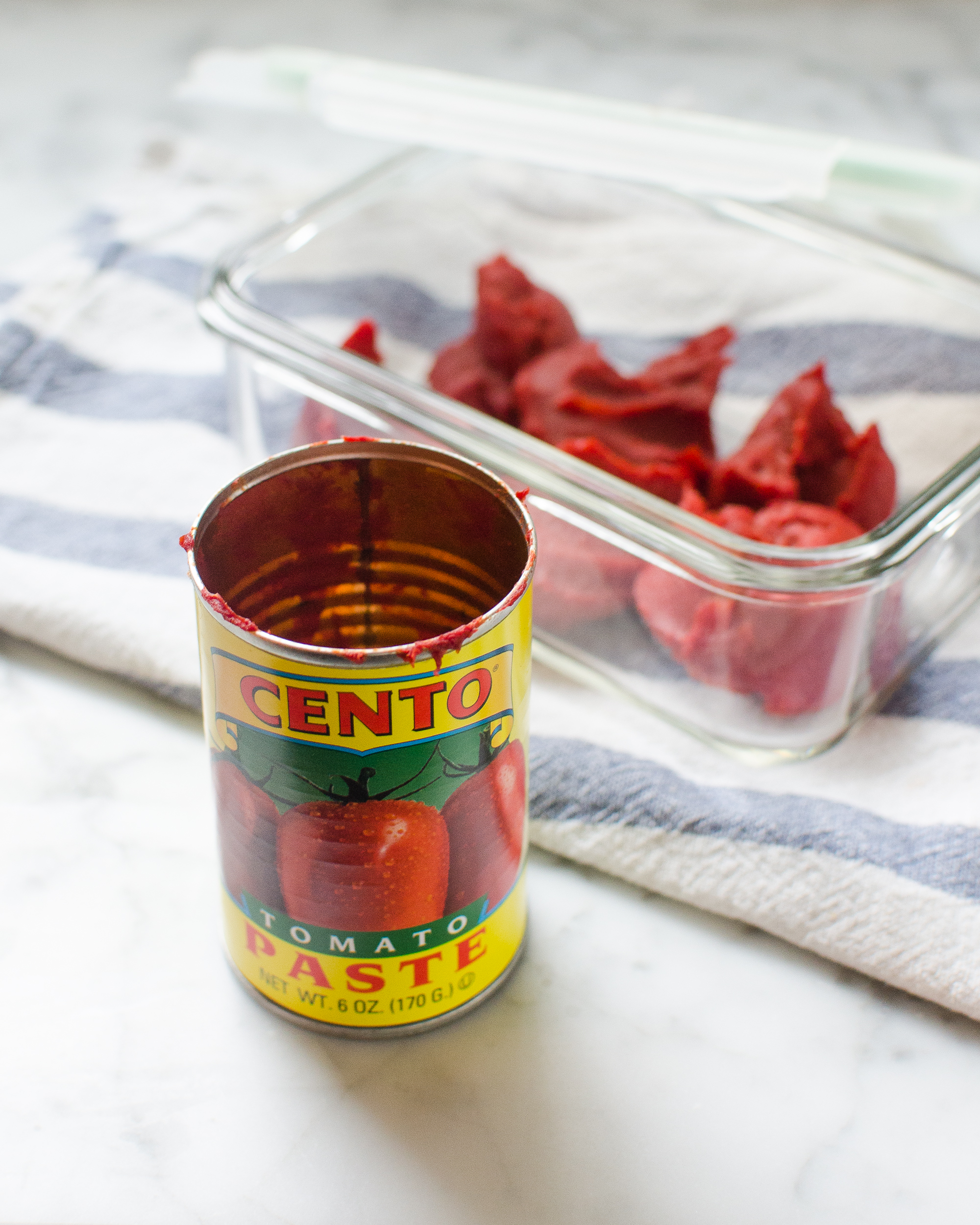
Credit: www.thekitchn.com
How Long Does Frozen Tomato Paste Last?
Tomato paste stored correctly in the freezer can last up to 6 months without losing quality. After this, it may develop ice crystals or a slight change in flavor, but it’s still safe to use for up to 12 months.
For best results, use the oldest paste first. Always check for odd smells or colors before using. If the paste looks dry, brown, or has freezer burn, it’s better to discard it.
Shelf Life Comparison
Here’s a look at how storage affects tomato paste shelf life:
| Storage Method | Quality Duration | Safe Use Duration |
|---|---|---|
| Unopened Can (Pantry) | 1-2 years | Up to 2 years |
| Opened (Fridge) | 5-7 days | Up to 10 days |
| Frozen (Freezer) | 6 months | Up to 12 months |
| Tube (Fridge) | 30-45 days | Up to 2 months |
Mistakes To Avoid When Freezing Tomato Paste
Even though freezing is simple, a few common mistakes can ruin the results.
- Freezing in the Can: Metal cans can crack in the freezer and give the paste a tinny taste. Always transfer to another container.
- Not Removing Air: Air causes freezer burn and changes the flavor. Squeeze out as much air as possible from bags.
- Overfilling Containers: Tomato paste expands a little when frozen. Leave some space at the top of containers or bags.
- Skipping Labels: It’s easy to forget what’s in a bag after a few weeks. Always label with date and amount.
- Not Portioning: Freezing a big lump means you’ll have to thaw the whole thing to get just a tablespoon. Portioning saves time and waste.
Advanced Tips For Best Results
If you want your frozen tomato paste to taste fresh and be easy to use, try these pro tips:
- Use Silicone Baking Mats: When spooning paste onto a tray, use a silicone mat for easy removal.
- Vacuum Seal: If you have a vacuum sealer, use it to prevent air exposure and freezer burn.
- Double-Bag for Smelly Freezers: Tomato paste can pick up odors. Use two bags if your freezer has strong smells.
- Freeze in Recipe-Sized Portions: If you always use 2 tablespoons for your favorite chili, freeze in exactly that amount.
- Stack Flat: Freeze bags flat so they take up less space and thaw faster.
Using Tomato Paste Tubes: Freezing Differences
Tomato paste also comes in tubes, which is convenient because you can squeeze out just what you need. But what if you want to freeze it?
- Squeeze leftover paste into small mounds and freeze as described above.
- If the tube is nearly full and not close to expiring, you can store it in the fridge for up to a month.
- Avoid freezing the whole tube—it can crack or split.
Eco-friendly Freezing: Reducing Plastic Use
If you’re trying to cut down on plastic, you can still freeze tomato paste effectively:
- Use small glass jars with tight lids, leaving some space at the top.
- Wrap portions in parchment paper before putting in a container.
- Reuse silicone molds—these last for years and don’t add waste.
Practical Examples: Real-life Freezer Tomato Paste Uses
Imagine you’re making a quick pasta sauce. Instead of opening a new can, you grab a frozen cube of tomato paste and toss it in the pan. It melts in seconds, and you get rich flavor with no hassle. Or, you’re cooking stew, and you only need one tablespoon.
With pre-portioned frozen paste, you never waste a drop.
Here are three everyday recipes where frozen tomato paste portions save time:
- Chili: Drop in a cube for extra depth.
- Bolognese Sauce: Add two frozen tablespoons directly to your simmering meat.
- Soup: Melt a portion into broth for color and body.
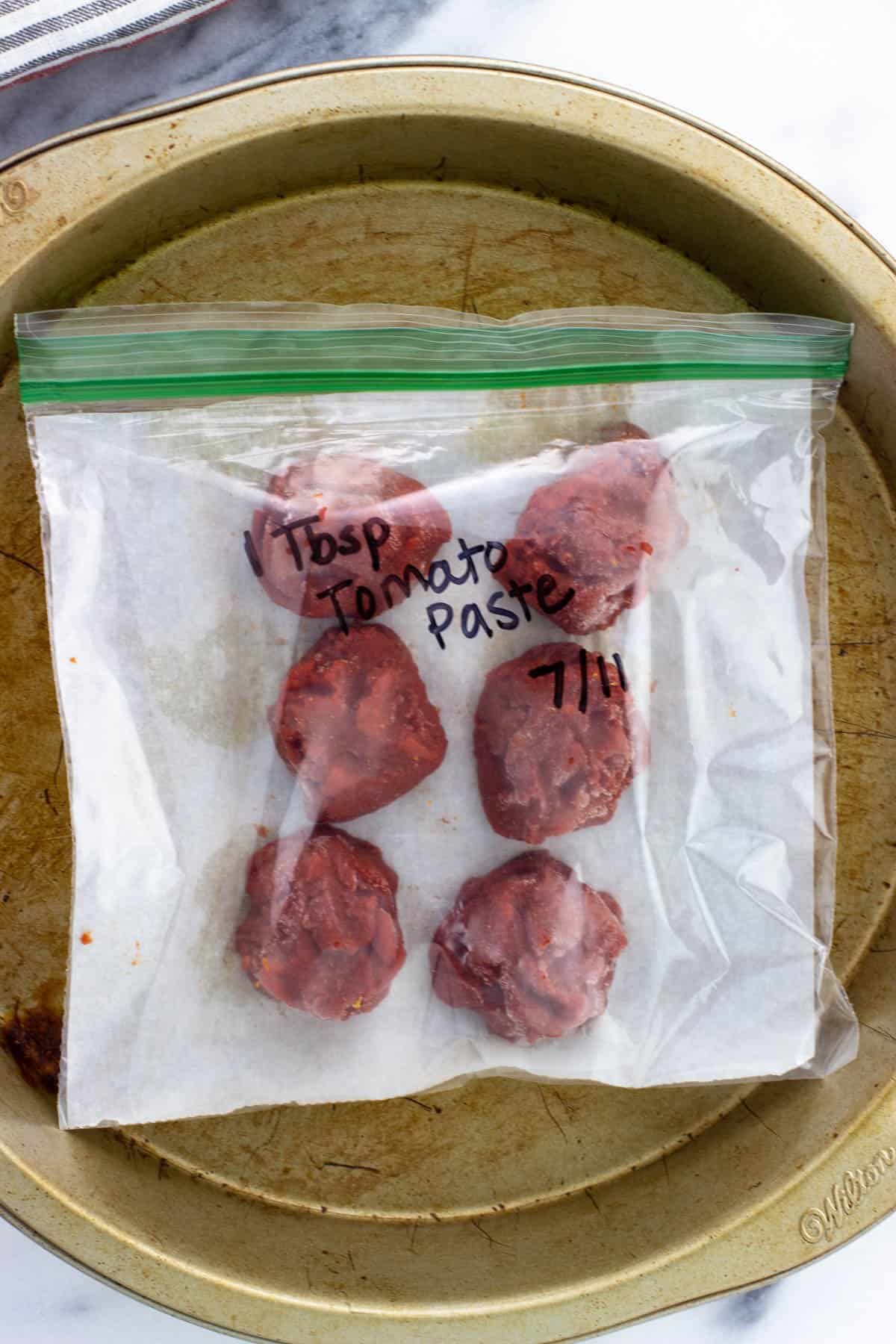
Credit: www.mysequinedlife.com
Tomato Paste Quality After Freezing: What To Expect
Some people worry that freezing will change the taste or texture of tomato paste. If you freeze and thaw it correctly, the difference is minimal. The paste may become a bit looser, but it will blend well in sauces, soups, and stews.
One thing to note is that if your freezer isn’t cold enough or you leave paste exposed to air, it can develop freezer burn. This looks like white spots or dried edges. Cut these away before using.
The Science Behind Freezing Tomato Paste
Why does tomato paste freeze so well? It’s because it contains very little water compared to other tomato products. Less water means fewer ice crystals, so the texture stays smooth. Also, its acidity helps prevent spoilage and keeps flavor locked in.
If you want to learn more about the science of freezing foods, check out this helpful Wikipedia article.
Comparing Tomato Paste Freezing To Other Tomato Products
How does freezing tomato paste compare to freezing other tomato products like puree or sauce? Here’s a quick comparison:
| Product | Freezing Suitability | Texture After Thawing | Common Uses |
|---|---|---|---|
| Tomato Paste | Excellent | Very little change | Stews, sauces, soups |
| Tomato Puree | Good | May separate, stir before use | Soups, sauces |
| Tomato Sauce | Good | Can become watery | Pasta, pizza, casseroles |
| Diced Tomatoes | Fair | Texture changes, softer | Chili, stew |
Storing Homemade Tomato Paste In The Freezer
If you make your own tomato paste from scratch, the freezing method is the same. Homemade paste often has no preservatives, so freezing is even more important.
- Cool the paste to room temperature before portioning and freezing.
- If your paste is thinner, freeze in smaller portions for faster thawing.
- Always use clean utensils to avoid introducing bacteria.
Labeling: Don’t Skip This Step
One non-obvious insight: labeling your frozen tomato paste saves headaches later. Write the date frozen and the portion size. Example: “1 Tbsp, 03/2024.” This makes meal planning faster and prevents mystery bags in your freezer.
What To Do With Leftover Tomato Paste From Freezing
If you have a little tomato paste left after portioning, don’t waste it. Mix it into salad dressings, marinades, or even soups right away. Tomato paste adds umami flavor and depth, even in small amounts.
Quick Reference: Tomato Paste Freezing At A Glance
- Portion in 1-2 tablespoon amounts.
- Pre-freeze for easy handling.
- Use airtight packaging.
- Label with date and size.
- Store for up to 6 months for best flavor.
- Add directly to hot dishes, or thaw for spreading.
Frequently Asked Questions
How Do I Know If Frozen Tomato Paste Has Gone Bad?
Frozen tomato paste is usually safe for up to a year, but quality is best in the first 6 months. If you see white spots, ice crystals, or notice a strange odor, it’s time to throw it out. Also, if the paste changes color (from deep red to brown), it’s no longer good.
Can I Freeze Tomato Paste In The Can?
Never freeze tomato paste in the can. Cans can crack, and the metal can give the paste a bad taste. Always transfer tomato paste to a safe, airtight container or bag before freezing.
Is Frozen Tomato Paste As Good As Fresh?
For most recipes, frozen tomato paste is just as good as fresh. You might notice a very small change in texture, but when added to hot dishes, there is no difference in taste or quality.
Can I Refreeze Tomato Paste After Thawing?
It’s best not to refreeze tomato paste once thawed. Each freeze-thaw cycle increases the chance of freezer burn and flavor loss. Freeze in small portions so you only thaw what you need.
Are There Any Recipes Where I Shouldn’t Use Frozen Tomato Paste?
Frozen tomato paste works in almost every recipe—sauces, soups, stews, and casseroles. If you need tomato paste for a topping or spread where texture matters, thaw it first. For most cooked dishes, you can use it straight from the freezer.
Storing tomato paste in the freezer is a simple kitchen hack that saves money, reduces waste, and makes cooking easier. With the right tools and a little planning, you’ll always have rich tomato flavor ready for your next meal.
:max_bytes(150000):strip_icc()/Tomato-Paste-Blaine-Moats-41cb8bc4a5ed47b883afeef0d117705a.jpg)
Credit: www.allrecipes.com