Sprouts are small, crunchy, and packed with nutrition. Whether you grow them at home or buy them from a store, sprouts need special care to stay fresh and safe. Many people love adding sprouts to salads, sandwiches, and smoothies, but not everyone knows how to keep them crisp and healthy after harvest.
Storing sprouts the right way is important to prevent spoilage and reduce health risks. If you have ever opened your fridge to find wilted or smelly sprouts, you are not alone. Learning the best methods for storing sprouts will help you enjoy them longer, waste less, and get the most benefits from these tiny powerhouses.
This guide will walk you through every detail you need to know about storing sprouts. From understanding why proper storage matters to step-by-step instructions for different types of sprouts, you will find answers to common problems and expert tips that even many experienced sprout lovers miss.
By the end, you will feel confident about keeping your sprouts fresh, safe, and delicious—no matter how often you use them.
Why Proper Sprout Storage Matters
Sprouts are living foods. They continue to grow and change even after harvest. This is why they are so nutritious, but also why they can spoil quickly if not stored right. Improper storage can cause several problems:
- Bacterial growth: Sprouts need a moist environment to grow, but too much moisture encourages harmful bacteria.
- Loss of crunch: Sprouts wilt and lose their crispness if exposed to air or humidity.
- Short shelf life: Without correct storage, most sprouts last only 1-2 days.
Sprouts are linked to several foodborne illnesses, especially if not stored properly. According to the CDC, outbreaks from contaminated sprouts have happened in many countries. This makes it essential to handle and store sprouts with care, especially for children, elderly, pregnant women, and people with weak immune systems.
Types Of Sprouts And Their Storage Needs
Not all sprouts are the same. Some are more delicate, while others can handle a little roughness. Here is a quick comparison of the most common types of sprouts and their storage needs:
| Sprout Type | Best Storage Temperature | Typical Shelf Life | Special Notes |
|---|---|---|---|
| Alfalfa | 2-4°C (35-40°F) | 5-7 days | Very delicate, needs low humidity |
| Mung Bean | 2-4°C (35-40°F) | 5-7 days | Stays crunchy, but avoid excess water |
| Lentil | 2-4°C (35-40°F) | 4-6 days | Can get mushy if over-soaked |
| Broccoli | 2-4°C (35-40°F) | 4-5 days | Strong flavor, needs dry storage |
| Radish | 2-4°C (35-40°F) | 4-6 days | Spicy, can wilt quickly |
| Chickpea | 2-4°C (35-40°F) | 3-5 days | Needs more air circulation |
Understanding these differences helps you adjust your storage method for each type.
Preparing Sprouts For Storage
Before you store your sprouts, take a few minutes to prepare them properly. This step is often skipped, but it can make a huge difference in freshness and safety.
- Rinse thoroughly: Use cool, clean water to rinse off any seed hulls or loose bits. This removes dirt and bacteria.
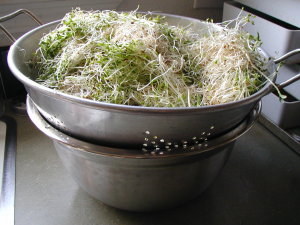
- Drain completely: Let the sprouts sit in a colander or on a clean towel to remove extra water. Wet sprouts spoil faster.
- Remove bad sprouts: Check for any slimy, brown, or smelly sprouts and throw them away. One bad sprout can spoil the rest.
- Dry gently: If you have time, pat the sprouts dry with a paper towel. For small sprouts like alfalfa, use a salad spinner on low speed.
A non-obvious tip: If you grow your own sprouts, always let them finish their final rinse in cold water. This slows down their metabolism and helps them stay crisp longer.
Best Containers For Storing Sprouts
Choosing the right container is just as important as the storage method. The wrong container can cause moisture build-up or let the sprouts dry out.
Glass Jars
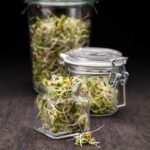
Glass jars with loose-fitting lids are a favorite for many sprout lovers. They allow some air exchange while keeping moisture low. Do not seal the lid tightly; sprouts need to breathe.
Plastic Containers
Plastic containers work well if they have small holes or vents for air. If your container does not have vents, open it every day to let out moisture.
Produce Bags
Special produce bags made of mesh or breathable fabric are excellent for sprouts. They keep air flowing and prevent excess moisture. Avoid regular plastic bags, which trap water and cause rot.
Paper Towels Or Cloth Liners
Lining your container with a dry paper towel or clean cloth helps absorb extra moisture. Change the liner if it gets wet.
Here’s a quick comparison of the most common storage container options:
| Container Type | Advantages | Disadvantages |
|---|---|---|
| Glass Jar | Non-reactive, easy to clean, reusable | Needs frequent airing, can break |
| Plastic Container | Lightweight, widely available | Can trap moisture, may retain odors |
| Produce Bag | Great airflow, prevents condensation | Sprouts can dry out if left open too long |
| Paper Towel Liner | Absorbs moisture, easy to replace | Needs changing, not reusable |
Credit: traditionalcookingschool.com
How To Store Sprouts In The Refrigerator
The refrigerator is the best place to store most sprouts. Cold temperatures slow down spoilage and reduce bacterial growth.
Step-by-step Storage Guide
- Prepare sprouts: Rinse, drain, and dry as described earlier.
- Choose the container: Pick a glass jar, plastic container with vents, or produce bag.
- Add a liner: Place a dry paper towel or cloth at the bottom of the container.
- Pack loosely: Do not stuff sprouts in tightly. Leave some space for air.
- Cover, but not airtight: If using a jar, close the lid loosely. For containers, use a vented lid or open the container daily.
- Store in the crisper drawer: This part of your fridge is cooler and has higher humidity, which is good for most sprouts.
- Check daily: Open the container, check for moisture, and replace the liner if wet.
A practical tip: For especially delicate sprouts like alfalfa or broccoli, change the paper towel every day. This prevents sogginess and mold.
How Long Do Sprouts Last In The Fridge?
- Alfalfa and mung bean: 5-7 days
- Lentil, radish, broccoli: 4-6 days
- Chickpea: 3-5 days
Always check for signs of spoilage like odor, slime, or dark spots before eating.
Freezing Sprouts: Should You Do It?
Many people wonder if they can freeze sprouts to make them last longer. The answer: technically, yes, but with limitations.
Freezing changes the texture of sprouts. They become soft and lose their crunch. Frozen sprouts are best used in cooked dishes like soups or stir-fries, not raw.
How To Freeze Sprouts
- Blanch first: Briefly dip sprouts in boiling water for 30 seconds, then cool quickly in ice water. This kills some bacteria and preserves color.
- Drain and dry: Pat sprouts dry to remove as much water as possible.
- Pack for freezing: Use airtight freezer bags or containers. Remove as much air as possible to prevent freezer burn.
- Label and date: Write the type of sprout and the date on the bag.
- Freeze quickly: Place in the coldest part of the freezer.
Frozen sprouts can be stored for up to 3 months. Thaw them in the fridge before use, and use them only in cooked recipes.
When Freezing Is Not Recommended
If you want fresh, crunchy sprouts for salads or sandwiches, freezing is not the best option. Only freeze if you have extra sprouts you cannot use in time and plan to cook them later.
Keeping Sprouts Fresh Without A Fridge
Sometimes, refrigeration is not possible. Maybe you are traveling, camping, or your fridge is full. You can still keep sprouts fresh for a short time with these methods:
Use A Cool, Dark Place
Store sprouts in a cool, dark cupboard or basement. Temperatures below 18°C (65°F) are best. Use a mesh bag or a container with a loose lid.
Change The Water Daily
If you cannot keep them dry, keep sprouts in a jar with just enough water to cover the bottom. Rinse and change the water every day to prevent bacteria.
Use Ice Packs
Place your sprout container on top of an ice pack in a cooler bag. This is helpful for picnics or travel.
A non-obvious insight: Sprouts stored without refrigeration should be eaten within 1-2 days. Watch closely for any spoilage.
How To Store Different Types Of Sprouts
Each sprout type has unique traits. Here are the best storage practices for the most common kinds:
Alfalfa Sprouts
- Store in glass jars or vented plastic containers.
- Use dry paper towels and change them daily.
- Alfalfa sprouts are very sensitive to moisture; never seal them airtight.
Mung Bean Sprouts
- Best in produce bags or mesh containers to allow air flow.
- Rinse and drain daily, even in the fridge.
- Can handle a bit more moisture than alfalfa.
Lentil Sprouts
- Store loosely in plastic containers with a cloth liner.
- Lentil sprouts can become mushy if crowded.
- Check for off smells; lentils spoil faster than other sprouts.
Broccoli Sprouts
- Use glass jars with a paper towel liner.
- Broccoli sprouts have a strong flavor and odor; do not store near foods that absorb smells easily.
- Change paper towels every day.
Radish Sprouts
- Store in glass or plastic with a vented lid.
- Radish sprouts wilt quickly, so use within 4-5 days.
- Add a small piece of dry bread to the container to absorb moisture (an old chef’s trick).
Chickpea Sprouts
- Need good air circulation, so mesh bags are best.
- Avoid stacking more than 2-3 layers deep.
- Use quickly, as they spoil in 3-5 days.

Credit: thewonderfulworldofsprouts.com
Signs That Sprouts Have Gone Bad
It is important to know when sprouts are no longer safe to eat. Eating bad sprouts can cause food poisoning.
Watch for these signs:
- Sliminess: Sprouts feel slippery or sticky to touch.
- Bad odor: Sour, rotten, or strong smells mean bacteria are growing.
- Dark spots: Black, brown, or moldy areas are unsafe.
- Wilting: While some limpness is normal, extreme wilt means the sprouts are old.
- Soggy paper towels: If the liner is soaked, bacteria can grow quickly.
When in doubt, throw them out. It is not worth risking your health.
Common Mistakes When Storing Sprouts
Many people make the same errors that shorten the life of sprouts or make them unsafe. Here are mistakes to avoid:
- Storing wet sprouts: Always dry them well before storing.
- Sealing containers airtight: Sprouts need some air. Sealed containers trap moisture and encourage mold.
- Ignoring daily checks: Sprouts change fast. Check them every day for freshness.
- Mixing old and new sprouts: Never add fresh sprouts to an old batch. The old ones can contaminate the new.
- Not changing liners: Wet paper towels or cloths must be replaced to prevent bacteria.
How To Store Sprout Seeds Before Sprouting
Proper storage starts even before you grow your sprouts. Sprout seeds can lose their ability to sprout or become moldy if stored wrong.
- Keep seeds dry: Store in airtight containers with silica gel or rice to absorb moisture.
- Store in a cool place: A pantry or fridge is ideal, but avoid freezing.
- Use within a year: Older seeds may not sprout well.
This step is often overlooked, but fresh, dry seeds lead to better, healthier sprouts.
Cleaning And Sanitizing Sprout Containers
Clean containers are essential for safe sprout storage. Even small traces of old sprouts or water can promote bacterial growth.
- Wash with hot, soapy water: After every use, clean your jars, containers, or bags thoroughly.
- Sanitize regularly: Once a week, soak containers in a solution of 1 part vinegar to 4 parts water for 10 minutes, then rinse well.
- Dry completely: Let containers air dry before adding new sprouts.
A non-obvious tip: Avoid using strong chemicals or bleach, which can leave residues that sprouts absorb.
How To Extend The Shelf Life Of Sprouts
If you want your sprouts to last as long as possible, follow these expert tips:
- Rinse daily: Even after storing, a quick rinse and drain each day can keep sprouts fresh.
- Keep temperature steady: Avoid moving sprouts in and out of the fridge or exposing them to heat.
- Use a root cellar: If you have one, this is an ideal cool, dark place for storing sprouts for a few days.
- Store in small batches: Only keep what you will eat in 3-4 days. Smaller amounts stay fresher.
- Add a piece of dry bread: Absorbs moisture in the container, slowing down spoilage.
Using Sprouts Safely
Even with perfect storage, sprouts are a higher-risk food. To enjoy them safely:
- Wash hands and utensils: Always use clean hands and tools when handling sprouts.
- Rinse before eating: Give sprouts a quick rinse under cool water before adding to food.
- Cook if concerned: Cooking sprouts for even a minute kills most bacteria. This is important for people with weak immunity.
- Buy from trusted sources: If you buy sprouts, look for freshness and reputable sellers.
One insight beginners miss: Sprouts that are safe to eat raw for most people may not be safe for everyone. If you are pregnant or have a weak immune system, always cook your sprouts.
How Commercial Sprouts Are Stored
Large producers have special storage rooms set to exact temperatures and humidity levels. They use:
- Rapid cooling: Chilling sprouts to 4°C (39°F) within hours of harvest.
- High airflow: Prevents condensation and keeps sprouts dry.
- Regular sampling: Testing for bacteria to ensure safety.
You can mimic some of these steps at home by cooling your sprouts quickly and storing them with good airflow.
For more details on food safety and sprout outbreaks, check the CDC’s official guidance.
Frequently Asked Questions
How Often Should I Rinse Sprouts During Storage?
Rinse your sprouts every 1-2 days, even when stored in the fridge. This keeps them hydrated but not soggy and helps remove bacteria. Always drain well after rinsing to avoid excess moisture.
Can I Eat Sprouts After The “best By” Date?
The “best by” date is a guideline, not a safety rule. Always check sprouts for signs of spoilage—smell, texture, and appearance—before eating. If in doubt, it’s safer to throw them out.
What Is The Best Way To Store Sprouts For Travel?
For short trips, use a mesh produce bag or container with a dry paper towel. Keep them in a cooler with ice packs if possible. Eat them within 1-2 days and check for spoilage before use.
Why Do My Sprouts Get Slimy So Quickly?
Sliminess usually means too much moisture. Always dry sprouts well before storing and use containers that allow air circulation. Change the paper towel liner daily and avoid sealing the lid tightly.
Are Homegrown Sprouts Safer Than Store-bought?
Homegrown sprouts can be safer if you use clean seeds and follow proper hygiene. However, both homegrown and store-bought sprouts can carry bacteria if not stored or handled correctly. Always rinse and store as recommended.
Sprouts are a wonderful, healthy addition to your meals—but only if stored and handled with care. With these tips, you can enjoy fresh, safe, and delicious sprouts every time. Remember, the key is to keep them cool, dry, and checked daily.
With a little practice, you will avoid spoilage, reduce waste, and get the most out of your sprouts, bite after crunchy bite.
:max_bytes(150000):strip_icc()/how-to-store-brussels-sprouts-realsimple-GettyImages-1298940063-3287762767234dda95a26d6489d7fd0d.jpg)
Credit: www.realsimple.com