
Keeping live crawfish healthy overnight is a challenge many people face—whether you’re planning a seafood boil, a family gathering, or simply want to keep your catch fresh until cooking. Crawfish are delicate creatures, and improper handling can lead to stress, death, and even food safety risks. But with a few smart steps and a little care, you can store live crawfish overnight and wake up to lively, ready-to-cook shellfish. This guide will walk you through all the essentials: from the science of crawfish biology, to the best containers, to common mistakes that can ruin your haul. Even if this is your first time dealing with live crawfish, you’ll finish with the confidence and know-how to keep them in top shape.
Understanding Live Crawfish: Why Proper Storage Matters
Crawfish, sometimes called crayfish or mudbugs, are freshwater crustaceans that need specific conditions to survive outside their natural habitat. They are highly sensitive to temperature, moisture, and oxygen levels. If you store them incorrectly, you risk losing much of your catch to death or spoilage—leading to waste and, potentially, a disappointing meal.
Crawfish are typically harvested from ponds, rivers, or lakes. Once removed from water, their survival depends on keeping their gills moist and providing enough oxygen. Unlike fish, crawfish can survive out of water for up to 24 hours if their gills remain damp.
However, this window is narrow. If they dry out, overheat, or suffocate, they will die quickly. Dead crawfish spoil fast and can become unsafe to eat.
Another reason proper storage is so important: crawfish are scavengers in the wild, so they’re used to burrowing in mud and silt. When you take them out of their environment, their stress goes up sharply. This stress, along with poor storage, can make them more likely to die overnight. Even brief periods of discomfort, like overheating or drying out, can be fatal. For this reason, every step of storage matters, from the moment you bring them home.
This is why understanding storage methods is critical. It’s not just about keeping them alive, but ensuring they’re healthy, clean, and safe for consumption.
Preparation Before Storage
Inspect Your Crawfish
When you first get your live crawfish, inspect them carefully. Look for the following signs:
- Lively movement: Healthy crawfish should be active, moving claws and legs.
- No foul smells: A sour or ammonia-like odor means some may be dead or dying.
- No excessive mud or debris: Too much mud can reduce oxygen and encourage bacteria.
Remove any obviously dead or sluggish crawfish. These can spoil quickly and contaminate the rest.
If you’re buying from a seafood market or supplier, ask to check the crawfish before taking them home. Sometimes, crawfish are packed and shipped in less-than-ideal conditions. You might receive a few that are already dead or weak. Separating these at the start saves you problems later.
Rinse And Purge
Rinsing and purging helps remove mud, sand, and waste from your crawfish. This not only keeps them healthier overnight but also improves taste and safety.
- Rinse thoroughly: Place crawfish in a large container, fill with cool, clean water, and gently agitate. Pour out the dirty water and repeat until the water runs mostly clear.
- Purge (optional): Some people soak crawfish in lightly salted water for 5-10 minutes. This can encourage them to release waste. However, purging is debated—excessive salt can stress or kill crawfish if left too long. If you choose to purge, do it briefly and rinse well afterward.
A good tip: don’t use ice-cold water for rinsing. Very cold water can shock crawfish and make them lethargic, which increases the risk that they won’t survive the night. Use water that’s cool but not freezing.
Drain Properly
After rinsing, let the crawfish drain in a colander or mesh basket for several minutes. Standing water can drown crawfish, as they need air to breathe.
If you’re working with a large batch, you can use a slotted spoon or your hands (wear gloves for protection) to gently lift them from the rinse water to the draining area. This prevents you from pouring excess water onto your storage towels or liner later.
Choosing The Right Container
The container you use to store live crawfish overnight makes a big difference. Your goal is to keep them cool, moist, and well-ventilated.
Common Container Options
Here’s a quick comparison of popular containers:
| Container Type | Pros | Cons |
|---|---|---|
| Ice chest (cooler) | Keeps cool, easy to transport, can drain water | Must keep lid cracked for air, avoid too much ice |
| Mesh sack | Good airflow, easy to rinse, traditional for large amounts | Needs cool location, can dry out if not dampened |
| Plastic tub with holes | Customizable ventilation, easy to clean | Can get too warm, must monitor moisture |
| Cardboard box | Cheap, breathable | Weak when wet, not reusable, can leak |
For most people, a clean ice chest (cooler) with a drain plug is the best choice. It keeps crawfish cool, controls moisture, and can be moved easily.
If you’re storing crawfish in a mesh sack, try hanging it over a bucket in a cool spot. This keeps the crawfish above any water that drips out, and the air can move around the sack. Just remember to check moisture often—mesh sacks dry out faster than other containers.
How To Store Live Crawfish Overnight: Step-by-step
Follow these steps to maximize crawfish survival and quality.
1. Layer The Bottom
Line the bottom of your cooler or tub with a damp towel or clean newspaper. This keeps the environment moist but not soaking wet.
If you’re using newspaper, avoid colored or heavily printed paper, as the ink can leach into the moisture. Use plain, food-safe paper when possible.
2. Add Crawfish
Pour the crawfish gently over the lining. Spread them evenly—don’t pack too tightly. Overcrowding leads to stress and suffocation.
A good rule is to keep the layer of crawfish no more than 4–5 inches deep. If you have a large amount, use multiple containers or layers, always separated by damp towels.
3. Cover With A Damp Towel
Lay another damp towel, burlap sack, or clean cloth over the top of the crawfish. This holds in moisture while allowing airflow.
If you live in a dry climate or have air conditioning running, check the towel often. It will dry out quickly, and a dry towel won’t do the job. Re-dampen as needed with cool water.
4. Keep The Cooler Lid Cracked
Never close the lid fully. Crawfish need oxygen. Leave the lid slightly open, or prop it up with a small object.
Some people use a wooden spoon, chopstick, or even a bottle cap to keep the lid just barely open. This small gap is enough for air exchange without letting in too much warm air.
5. Add Ice Packs (not Direct Ice)
Keep the crawfish cool, ideally between 36–46°F (2–8°C). The best way is to place sealed ice packs around the sides, not directly on the crawfish. If you must use loose ice, put it in leak-proof bags or on top of the upper towel. Never let crawfish sit in melting ice water—they can drown.
For longer storage (18–24 hours), check your ice packs every 4–6 hours. If they melt, swap them with fresh ones quickly. If you don’t have ice packs, frozen water bottles work as a good substitute.
6. Store In A Cool Place
Place your container in a shaded, cool area—like a basement, garage, or refrigerator (if it’s large enough). Avoid direct sunlight or hot rooms.
If it’s hot outside, you may need to rotate ice packs or move the cooler inside for best results. Warm temperatures are one of the fastest ways crawfish die overnight.
7. Drain Melted Ice
If you use an ice chest, open the drain plug occasionally to remove melted ice water. Crawfish left in standing water will die.
Don’t forget to check under the liner. Sometimes, water can pool beneath the towel or newspaper and go unnoticed. A quick lift and look every few hours can prevent disaster.
8. Check Periodically
Every few hours, check the crawfish. Make sure the towels are damp, the ice is not fully melted, and the crawfish look lively. Remove any dead ones immediately.
If you notice the crawfish crowding in one corner, it may mean that area is warmer or drier. Adjust your towels and ice packs to even out the temperature and moisture.

Credit: www.youtube.com
How Long Can You Store Live Crawfish?
Stored correctly, crawfish can survive up to 24 hours, sometimes a little longer. After that, mortality rises sharply. Plan to cook them as soon as possible the next day.
It’s important to know that not all crawfish will survive—5–10% loss overnight is common, even with perfect methods. If you see a few dead ones, this is normal. However, if you notice half or more have died, check your method, temperature, and moisture.
If you need to store them longer than 24 hours, it’s best to partially cook (parboil) the crawfish, then refrigerate or freeze. Keeping live crawfish for two days or more at home is rarely successful.
Mistakes To Avoid
Even seasoned crawfish lovers make common errors. Avoid these pitfalls:
- Drowning in water: Crawfish need moist air, not standing water.
- Over-chilling: Temperatures below 32°F (0°C) can kill crawfish. Don’t let them freeze.
- Lack of ventilation: Closing the lid fully traps carbon dioxide and kills crawfish.
- Direct contact with loose ice: Ice can freeze or suffocate crawfish. Always use a barrier.
- Overcrowding: Too many crawfish in one container leads to suffocation.
- Forgetting to drain water: Melted ice can pool at the bottom—open the drain plug.
- Using harsh chemicals: Never use bleach or soap to clean containers before storing crawfish.
A less obvious mistake is storing your cooler in a place with strong odors (like a garage with paint or gasoline). Crawfish can absorb these smells, which affects their taste.
Cleaning And Safety Tips
Cleaning The Container
Always use a clean container. Wash thoroughly with hot, soapy water, rinse well, and let dry before use. Any leftover cleaners can harm crawfish.
If you’re reusing a cooler from other uses (like camping or fishing), check for cracks, mold, or leftover debris in corners. Even a little old water or food can introduce bacteria.
Handling Dead Crawfish
Remove any dead crawfish immediately. Dead crawfish quickly release toxins and bacteria that can spoil others. As a rule, if the crawfish is dead before you cook it, don’t eat it.
To avoid confusion, keep a small garbage bag or bucket nearby for dead crawfish. Dispose of them safely and wash your hands after handling.
Cooking Safety
Crawfish should be cooked alive or very soon after death. Eating crawfish that have been dead for hours increases the risk of food poisoning.
When boiling, add live crawfish directly to the hot water. If you’re unsure, watch for those that float on top as soon as they hit the water—these may have been dead before cooking and should be discarded after boiling.
Special Storage Scenarios
What If You Have A Large Batch?
If you have a sack (30–40 pounds) of crawfish, split them into smaller containers. This improves airflow and reduces stress. Stack the containers with damp towels and ice packs between them, not just on top.
If you only have one large cooler, rotate the crawfish gently every few hours, so those at the bottom are not under pressure the whole time. This helps prevent crushing and stress.
Storing In A Refrigerator
A fridge can work if it’s large enough and not too cold. Set the temperature to just above freezing, and use the same layering method. Never store crawfish in the freezer.
If you have a beverage fridge or secondary refrigerator, use it for crawfish—just make sure there’s nothing with strong odors (like onions or garlic) inside, as crawfish can absorb these.
No Cooler? Alternative Methods
If you lack a cooler, use a mesh sack hung in a cool, damp spot, or spread crawfish in a shallow tray with damp towels and ice packs. The key is moisture, coolness, and ventilation.
If you need to improvise, a large laundry basket lined with a trash bag and holes cut for ventilation can work in a pinch, as long as you follow the same rules for moisture and temperature.
Moisture Management: How Wet Is Too Wet?
Crawfish need their gills damp, but too much water is deadly. Aim for towels that are moist to the touch but not dripping. If you squeeze water from the towel, it’s too wet.
Here’s a quick reference:
| Moisture Level | Effect on Crawfish |
|---|---|
| Dry | Gills dry out, crawfish die |
| Moist (not wet) | Ideal for survival |
| Soaking wet | Risk of drowning, bacteria growth |
Check towels and re-moisten lightly as needed.
A tip: If you’re in a humid climate, towels may stay damp longer. In dry air, check every 2–3 hours, as moisture evaporates faster.
How To Tell If Stored Crawfish Are Still Good
Before cooking, inspect your crawfish again:
- Movement: Tap or shake the container. Live crawfish will move or curl their tails.
- Color: Healthy crawfish are a dark, shiny color. Pale or grayish ones may be dying.
- Smell: A fresh, clean scent is ideal. Any strong, sour, or rotten smell is a warning sign.
If in doubt, throw it out. It’s not worth risking food poisoning.
It’s a good idea to sort crawfish just before cooking. Set aside any that look or smell off, even if you’re not certain. Food safety always comes first.

Credit: www.dailymotion.com
Beyond Overnight: Long-term Storage Solutions
Live crawfish are best eaten as soon as possible. If you must store them longer than overnight, it’s very difficult to keep them alive and healthy. Commercial operations use special tanks with aerated, temperature-controlled water—this isn’t practical for most homes.
For home use, freezing or cooking is better for longer storage:
- Cooked crawfish: Can be refrigerated for 2–3 days or frozen for months.
- Uncooked, dead crawfish: Should not be frozen or eaten.
If you want to learn more about commercial crawfish storage systems, see this article from Wikipedia.
Two Insights That Beginners Often Miss
- Oxygen is as important as temperature. Many people focus only on keeping crawfish cold, forgetting that closed containers suffocate crawfish quickly. Always allow for air exchange.
- Dampness is not the same as water. Crawfish need their gills moist, but standing water—even a small puddle—can kill them within hours. Even a little extra water at the bottom of your cooler can ruin your batch.
Practical Tips For Success
- Use a thermometer to check the storage temperature. Even small temperature increases can speed up crawfish death.
- Label your containers, especially if using multiple batches, to avoid confusion.
- If you’re transporting crawfish, keep the method consistent: Use coolers with cracked lids and ice packs.
- Have a backup plan. If you notice your storage method isn’t working (for example, ice packs keep melting or the towel keeps drying), be ready to adjust quickly.
- If you’re storing crawfish for a party, let guests know there may be a few losses and always prepare a little extra just in case.
Quick Reference: Overnight Crawfish Storage Checklist
- Inspect and rinse crawfish.
- Use a clean, ventilated cooler or mesh sack.
- Line with a damp towel/newspaper.
- Spread crawfish evenly.
- Cover with a damp towel.
- Add ice packs (not direct ice).
- Keep lid cracked for air.
- Store in a cool, shaded area.
- Drain melted ice water.
- Check every few hours, remove dead crawfish.
- Cook as soon as possible the next day.
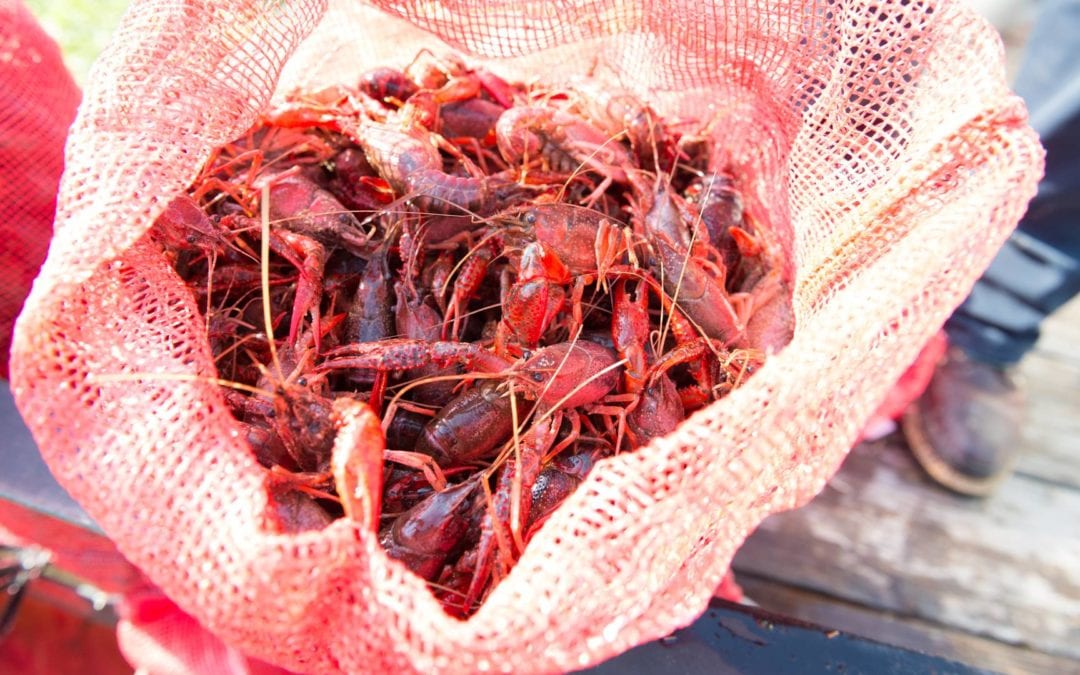
Credit: www.acadiacrawfish.com
Frequently Asked Questions
How Do I Know If Crawfish Are Still Alive Before Cooking?
Gently tap the crawfish or shake the container. Live crawfish will move their legs, claws, or curl their tails. If they are completely limp, pale, or have a foul smell, they are likely dead and should not be eaten.
Some crawfish may play dead when cold—warm them slightly and check again. If there is still no movement, discard.
Can I Store Live Crawfish In Water Overnight?
No. Crawfish need moist air, not standing water. If you submerge them, they will use up the oxygen quickly and drown. Keep them on a damp towel with good ventilation instead.
What Temperature Should I Keep Live Crawfish At Overnight?
Aim for 36–46°F (2–8°C). This keeps crawfish cool enough to slow their metabolism but not so cold that they freeze. Use ice packs and check with a thermometer if possible.
If your cooler is outside, monitor the weather. Even a cool night can warm up a closed cooler by morning if it’s left in a sun-warmed garage.
How Many Hours Can Live Crawfish Survive Out Of Water?
With proper storage, up to 24 hours is typical. Some may last a bit longer, but after a day, mortality rises quickly. For the best taste and safety, cook them within 18–24 hours of purchase.
What Should I Do If Some Crawfish Die Overnight?
Immediately remove any dead crawfish before cooking. Dead crawfish spoil quickly and can make others sick. If most or all have died, it’s safest to discard them and not take any risks.
Keeping crawfish alive overnight isn’t difficult, but it does require attention to detail. By following these steps and avoiding common mistakes, you’ll ensure your crawfish are fresh, lively, and safe to eat when it’s time for your boil or feast.