
Are you tired of finding your wooden structures gnawed away by pesky squirrels? You’re not alone.
Many homeowners face this frustrating challenge, watching helplessly as these furry critters wreak havoc on decks, fences, and even homes. But fear not! You have the power to stop them. Imagine reclaiming your outdoor spaces, maintaining your wood structures in pristine condition, and finally having the peace of mind you’ve been longing for.
In this guide, we’ll delve into effective strategies to prevent squirrels from chewing wood, helping you protect your property and sanity. Let’s get started on turning your squirrel problem into a thing of the past.
Identifying Squirrel Damage
Squirrels often leave gnaw marks on wooden structures. These pesky critters chew to keep their teeth sharp. Install metal sheeting or wire mesh to protect your wood from further damage.
Identifying squirrel damage is essential if you want to protect your wood structures from these pesky critters. Squirrels are notorious for gnawing on wooden surfaces, which can lead to structural damage over time. By learning to recognize the signs of squirrel damage, you can take steps to prevent further destruction. Let’s dive into some practical tips to help you spot the evidence of squirrel activity around your home.Visible Chew Marks
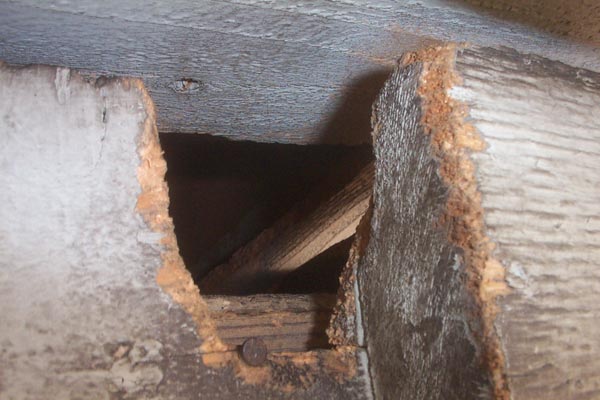
Squirrel teeth are strong and sharp, leaving distinct marks on wood. Look for small, irregular grooves or scratches on surfaces like fences, decks, or window sills. These marks are often shallow but can become deeper if the squirrels are persistent.Wood Shavings Or Debris
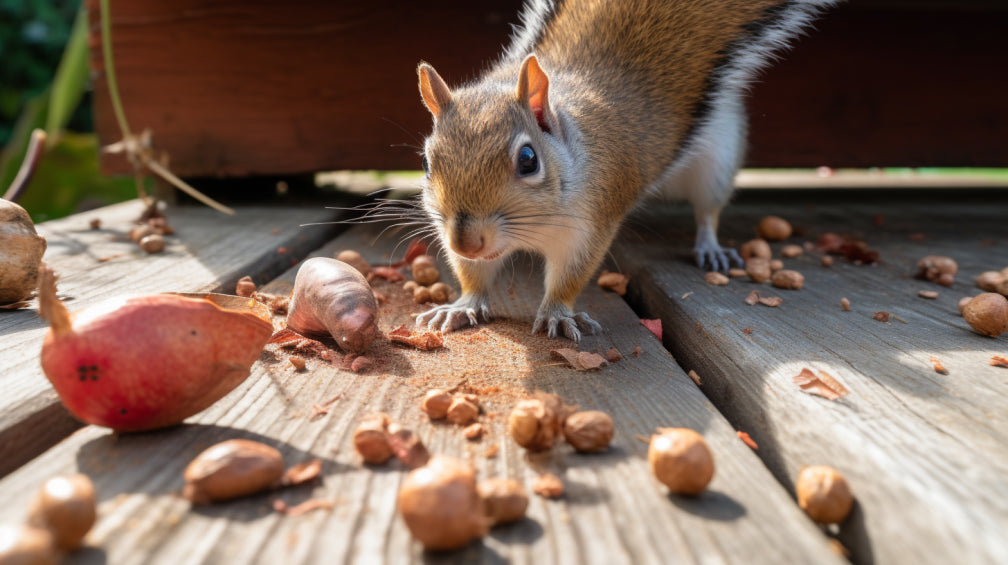
Have you noticed small piles of wood shavings under your fence or deck? This is a telltale sign of squirrel activity. As squirrels gnaw on wood, they leave behind tiny fragments that accumulate beneath the damaged area.Damage To Trees And Shrubs
Squirrels often target trees and shrubs for their gnawing habits. Check the bark of trees and branches for bite marks or stripped sections. If your garden plants show signs of nibbling, squirrels might be the culprits.Unusual Sounds
If you hear strange scratching or chewing sounds coming from your attic or walls, squirrels might be nesting nearby. Their activity often becomes noticeable during early morning or late afternoon when they are most active.Droppings And Tracks
Squirrel droppings are small and pellet-like, often found near their nesting sites. Look for these droppings along with small tracks that resemble tiny handprints near the damaged areas. Identifying squirrel damage requires keen observation. Regularly inspect your property for these signs. By understanding these indicators, you can take action before the damage becomes severe. Have you ever experienced squirrel damage? What steps did you take to address it? Share your thoughts in the comments below!Reasons Squirrels Chew Wood
Understanding why squirrels chew wood is crucial if you want to prevent them from damaging your property. These little critters might seem harmless, but their gnawing can cause significant problems. Let’s delve into the reasons behind their wood-chewing habits. Knowing these reasons can help you find effective solutions to keep your wooden structures safe.
Nesting And Shelter
Squirrels often chew wood to create nesting sites. They look for cozy, safe spots to raise their young and protect themselves from predators. If your wooden structures mimic the natural environment, they become prime real estate for squirrels. Have you noticed chewed wood near corners or crevices? This could be a sign that squirrels are trying to establish a home.
Teeth Maintenance
Squirrels need to keep their teeth sharp and healthy. Their incisors grow continuously, and chewing on hard surfaces helps them manage this growth. Wood provides a perfect surface for this task. You might find it surprising, but this natural behavior is essential for their survival. Are you providing alternative materials for them to gnaw on? It could save your wood.
Food Source Exploration
Sometimes, squirrels chew wood while searching for food. They might be looking for insects or seeds hidden inside the wood. This exploratory behavior can lead to significant damage if not addressed. Have you considered offering them alternative food sources? This can deter them from attacking your wooden structures.
By understanding these reasons, you can develop strategies to protect your property. From offering alternative nesting materials to providing chew toys, small changes can make a big difference. What steps will you take to safeguard your wood from these determined creatures?
Preventative Measures
Stopping squirrels from chewing wood requires some strategic steps. Preventative measures can help protect your home and garden. These methods create a barrier between squirrels and your wood structures. Let’s explore some of the most effective strategies.
Physical Barriers
Physical barriers offer direct protection. Metal flashing is a strong option. Wrap it around tree trunks and wooden posts. This metal surface is hard for squirrels to chew. Chicken wire can also guard small plants and shrubs. Ensure the wire is tightly secured to prevent access.
Squirrel Repellents
Repellents can discourage squirrels from chewing. Commercial sprays are available in many stores. They contain bitter ingredients that squirrels dislike. Apply them to wooden areas regularly. You can also use capsaicin-based products. The spicy taste deters squirrels effectively.
Natural Deterrents
Natural deterrents can be a gentle option. Planting peppermint around your yard helps. Squirrels dislike the smell and avoid it. Sprinkling cayenne pepper around wooden areas can work too. It irritates squirrels’ senses, keeping them away. Regularly refresh these deterrents for best results.
Safe Repellents And Deterrents
Preventing squirrels from chewing wood can be challenging. Fortunately, there are safe repellents and deterrents that help. These solutions protect your wooden structures without harming the animals. Explore the options and choose what suits your needs.
Capsaicin-based Products
Capsaicin is a natural compound found in chili peppers. It gives peppers their heat. Squirrels dislike capsaicin’s spicy sensation. Sprays and coatings with capsaicin can deter them. Apply these products to areas prone to damage. Be careful when using, as capsaicin can irritate skin and eyes.
Essential Oils
Essential oils offer a natural deterrent. Peppermint and eucalyptus oils are effective. Their strong scents repel squirrels. Mix a few drops of oil with water. Spray the mixture on wooden surfaces. Reapply regularly for the best results. This method also leaves a pleasant aroma around your home.
Ultrasonic Devices
Ultrasonic devices emit high-frequency sounds. These sounds are unpleasant to squirrels. Humans can’t hear them, ensuring no disturbance. Place these devices near affected areas. They work best in open spaces without obstructions. Consider this option for a non-chemical approach. Ultrasonic devices are easy to use and maintain.
Modifying Squirrel Habitats
Squirrels can be persistent pests, especially when they target wooden structures. Modifying their habitats discourages their return. By making strategic changes, you can protect your property. Focus on removing attractions and sealing vulnerable areas.
Removing Food Sources
Squirrels are often drawn to easy food. Remove bird feeders or place them far from your home. Store pet food indoors. Keep trash cans tightly sealed. These steps reduce food availability, making your property less appealing to squirrels.
Trimming Tree Branches
Overhanging branches provide easy access to roofs. Trim branches at least six feet from your home. This discourages squirrels from jumping onto your roof. Regular trimming can significantly reduce squirrel activity near your house.
Sealing Entry Points
Inspect your home for gaps and holes. Squirrels can squeeze through small openings. Use steel wool or wire mesh to seal potential entry points. Pay special attention to attics and basements. Proper sealing keeps squirrels out.
Credit: fj-outdoors.com
Alternative Solutions
Consider using natural deterrents like peppermint oil or cayenne pepper. These can help keep squirrels away from wood. Install metal sheathing or wire mesh to protect vulnerable areas. Regular maintenance and inspections can also prevent damage.
If you’re tired of squirrels gnawing away at your wooden structures, you’re not alone. These small critters can cause significant damage. Instead of resorting to harmful methods, consider some alternative solutions. These can not only protect your property but also maintain a healthy ecosystem. Let’s dive into some creative strategies that might surprise you with their effectiveness.Providing Alternate Chewing Items
Squirrels chew wood not out of spite, but to manage the growth of their teeth. An unexpected solution is to provide them with an alternative. By giving them something else to chew on, you can divert their attention from your precious wooden structures. Try placing items like untreated wooden sticks or branches in your yard. This simple step can save your deck or fence. You might be skeptical, but this method offers a safe, humane way to deter squirrels without causing them harm.Encouraging Natural Predators
Another effective strategy is to encourage natural predators. This approach maintains ecological balance while keeping squirrel populations in check. Consider creating an environment that attracts birds of prey, like owls or hawks. Setting up owl boxes or perches in your yard can invite these natural hunters. Have you ever noticed a decrease in squirrels after spotting a hawk nearby? This is a perfect example of nature taking its course. Do you have any other methods that have worked for you? Share your tips in the comments below. Together, we can find the best ways to coexist with our furry friends without sacrificing our homes.Legal And Ethical Considerations
Understanding how to deter squirrels from chewing wood involves more than tactics. It requires considering both legal and ethical aspects. This ensures you protect your property while respecting wildlife. Before taking action, it’s crucial to know the rules and humane methods.
Understanding Local Wildlife Laws
Each region has specific laws about interacting with wildlife. These regulations can dictate what actions you can take against squirrels. Some areas protect squirrels under local wildlife protection acts. Before implementing any deterrent, check with local wildlife authorities. This helps avoid fines or legal issues.
Research online or contact your local wildlife department. They can provide specific guidelines for your area. Knowing the law helps you create a legal plan for dealing with squirrels. Ignorance of the law is not a valid excuse if issues arise.
Humane Treatment Of Squirrels
Ethical treatment is essential when dealing with squirrels. Using humane methods respects the animals and often proves more effective. Avoid harmful chemicals or traps that might injure the squirrels. Instead, focus on deterrents that encourage them to leave on their own.
Consider natural repellents or physical barriers. These methods prevent damage without harming the animals. Humane treatment aligns with ethical practices and promotes coexistence. Always prioritize solutions that consider the well-being of the squirrels.

Credit: www.washingtonpost.com
Credit: www.aaanimalcontrol.com
Frequently Asked Questions
How Can I Deter Squirrels From My Garden?
Use natural repellents like peppermint oil. Plant squirrel-repelling plants. Install barriers and traps for effective deterrence.
What Materials Can Protect Wood From Squirrels?
Metal mesh or plastic covers can protect wood. Use squirrel-proof paint or sprays for added protection.
Why Do Squirrels Chew Wood?
Squirrels chew wood to sharpen teeth. It’s natural behavior. They also look for food or shelter.
Are Squirrel Repellents Safe For Pets?
Most natural repellents are pet-safe. Check labels for safety. Always keep chemicals away from pets.
Can Noise Keep Squirrels Away?
Loud noises can scare squirrels. Use ultrasonic devices or radios. Ensure noise doesn’t disturb neighbors.
Conclusion
Squirrels chewing wood can be a real headache. Solutions exist to deter them effectively. Use natural repellents like vinegar or peppermint oil. Install metal flashing to protect surfaces. Regularly check for signs of damage. Repair wood promptly to avoid attracting more squirrels.
Encourage natural predators in your area. Squirrels dislike the presence of owls and hawks. Consider squirrel-proof bird feeders. Keep your garden clean and free from food scraps. Persistence pays off. With patience, you can keep your wooden structures safe from squirrel damage.
Enjoy a squirrel-free environment and protect your property.