Anyone who has used a glass stove top knows how sleek and modern it looks. But if you accidentally melt plastic on it, panic can set in fast. The shiny surface, now marred with a white or black sticky mess, seems ruined. The smell can be unpleasant, and you might worry that the glass is permanently damaged. But before you start thinking about expensive repairs or replacements, know this: you can fix it. With the right steps, tools, and patience, you can get melted plastic off a glass stove top safely and restore its shine.
This guide is for anyone who wants a complete answer. Whether it’s a small plastic bag that drifted onto a hot burner, a kitchen utensil that slipped, or a food wrapper that melted without you noticing, you’ll find every method you need right here.
You’ll also discover what not to do, how to avoid scratching the glass, and tips to prevent future mishaps. Let’s save your stove top and your peace of mind.
Why Melted Plastic Is Hard To Remove From Glass Stove Tops
Glass stove tops are designed to be smooth and easy to clean, but melted plastic creates a special challenge. When plastic touches a hot surface, it softens and bonds with the glass. As it cools, it becomes hard and sticks tightly. Unlike food spills, plastic doesn’t just wipe off. If you try to scrub it off with force, you might scratch the glass or spread the mess further.
Many people also worry about lingering smells or toxic fumes when plastic melts. While the main danger is during the initial melting, it’s still important to handle the cleanup carefully. Quick action and the right method make all the difference.
Safety First: What To Do Right After Melting Plastic
If you notice plastic melting on your stove, it’s important to stay calm and act safely. Here’s what you should do before starting any cleanup:
- Turn off the stove immediately. Unplug or switch off the power if possible, especially with electric stoves.
- Ventilate the room. Open windows and turn on fans. Melting plastic can release fumes that are unpleasant and not safe to breathe in large amounts.
- Do not touch the plastic. Hot plastic can burn your skin. Let the stove top cool down completely before you try to remove anything.
- Remove loose plastic pieces nearby. Take away any plastic items that could melt further or catch fire.
Many people try to clean melted plastic while the stove is still warm, thinking it will be easier. But this can be risky. You might burn yourself, and the plastic is still sticky and can spread. Always wait until the glass is cool to the touch.
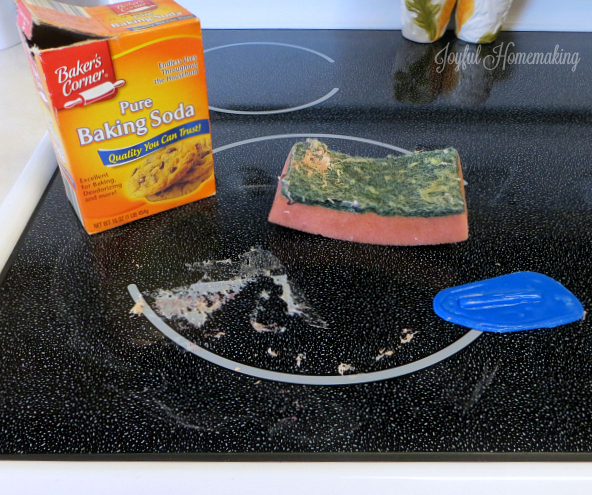
Credit: joyfulhomemaking.com
Main Methods To Remove Melted Plastic From Glass Stove Tops
There’s no single solution for all situations. The best method depends on how much plastic is melted, how long it’s been there, and what tools you have. Here are the most effective ways, step by step.
1. Freezing And Scraping
This method works well for thin or medium layers of melted plastic.
Steps:
- Place a bag of ice or a few ice cubes in a plastic bag directly on the melted plastic. Leave it for 10-15 minutes. The cold will make the plastic brittle.
- Use a plastic scraper or a plastic spatula to gently lift and chip away at the hardened plastic.
- Work slowly, pushing the scraper under the edge of the plastic. Do not use metal tools—they can scratch the glass.
- Once most of the plastic is removed, wipe the area with a damp cloth.
Why This Works:
Freezing causes the plastic to contract and lose its grip on the glass. The brittle plastic breaks away more easily.
Example:
If a grocery bag melts onto the stove top, this method often removes the residue with no damage.
2. Using A Razor Blade (with Caution)
For thicker or stubborn plastic patches, a razor blade can be effective if used carefully.
Steps:
- Make sure the stove is cool.
- Hold a new, sharp razor blade at a 45-degree angle. Specialized scraper tools for glass stove tops are safest.
- Gently push the blade under the edge of the plastic. Use light, even pressure.
- Remove small pieces at a time. Clean the blade often with a paper towel.
- Wipe the area clean after removing the plastic.
Safety Tips:
- Wear gloves to avoid cutting yourself.
- Only use the blade flat against the glass to avoid scratches.
- Never gouge or dig at the surface.
Table: Comparison Of Scraper Tools
| Tool | Effectiveness | Risk of Scratching | Best For |
|---|---|---|---|
| Plastic Scraper | Moderate | Low | Thin, recent spills |
| Razor Blade Scraper | High | Medium | Thick or hard plastic |
| Metal Spatula | Low | High | Not recommended |
3. Baking Soda Paste
For small spots or leftover residue, baking soda is gentle but powerful.
Steps:
- Mix 2 tablespoons of baking soda with a few drops of water to form a thick paste.
- Apply the paste to the melted plastic area.
- Let it sit for 5-10 minutes.
- Use a soft cloth or sponge to rub the area in small circles.
- Wipe clean with a damp cloth.
Why This Works:
Baking soda is slightly abrasive but won’t scratch glass when used gently. It helps lift and loosen sticky residue.
Non-obvious Tip:
Baking soda also neutralizes smells left by melted plastic.
4. Vinegar And Baking Soda Combination
This method is helpful for stubborn stains after most of the plastic has been removed.
Steps:
- Sprinkle a small amount of baking soda over the affected area.
- Pour a few drops of white vinegar onto the baking soda. It will fizz and bubble.
- Let the mixture work for 5-10 minutes.
- Use a soft cloth to gently scrub the area.
- Wipe clean with water.
Insight:
The bubbling action helps break down remaining plastic and lifts it from the glass.
5. Commercial Glass Stove Top Cleaner
If home remedies don’t work, a specialized cleaner may help.
Steps:
- Buy a cleaner made for glass stove tops (like Cerama Bryte or Weiman).
- Read and follow the instructions on the bottle.
- Apply the cleaner to the melted plastic area.
- Let it sit for the recommended time.
- Wipe with a soft cloth or sponge.
Example:
A friend once spilled plastic wrap on her stove top and tried several home methods. The commercial cleaner removed the last bits with no scratching.
Table: Effectiveness Of Common Cleaners
| Cleaner Type | Removes Plastic? | Safe for Glass? | Odor Removal |
|---|---|---|---|
| Baking Soda Paste | Yes (light residue) | Yes | Good |
| Vinegar | Sometimes | Yes | Moderate |
| Commercial Cleaner | Yes (most cases) | Yes | Excellent |
6. Wd-40 Or Mineral Oil
For very stubborn plastic, a lubricant can help loosen the residue.
Steps:
- Spray a small amount of WD-40 or dab mineral oil onto the melted plastic area.
- Let it soak for 5-10 minutes.
- Use a plastic scraper to gently lift the softened plastic.
- Clean the area with dish soap and water afterward to remove any oily residue.
Note:
Always test in a small, hidden spot first to make sure the oil does not discolor the glass.
7. Heat And Wipe (for Minor Residue)
If only a thin film is left after scraping, gentle heat can help.
Steps:
- Turn the stove on to low heat for a few minutes—just enough to soften the residue.
- Turn off the stove and let it cool just enough so it’s warm, not hot.
- Use a damp cloth to wipe away the softened plastic.
- Repeat if needed.
Caution:
Never try this with thick plastic or while the stove is very hot, as it can be dangerous.
What Not To Do When Removing Melted Plastic
It’s just as important to know what to avoid as what to do.
- Don’t use metal scouring pads. They scratch glass easily.
- Don’t use harsh chemicals like oven cleaner or bleach. These can damage the glass and leave harmful residues.
- Don’t apply extreme force. If the plastic won’t come off, try a different method.
- Don’t use knives or sharp metal objects. Even small scratches can weaken the glass over time.
- Don’t heat the stove top too much. Excessive heat can crack the glass or release more toxic fumes.
Many beginners try to “burn off” the plastic by turning the stove on high. This is dangerous and can make the mess worse.
Credit: www.reddit.com
Step-by-step Example: Removing A Melted Plastic Utensil
Let’s walk through a real-world case. A plastic spoon was left on a hot glass stove burner and melted into a thick patch.
- Wait until the stove is completely cool. Don’t rush this step.
- Apply ice cubes in a bag for 15 minutes to make the plastic brittle.
- Use a plastic scraper to gently lift off the top layer.
- Switch to a razor blade scraper for the thicker patches, using slow, gentle movements.
- Apply baking soda paste to the remaining stain and rub with a soft cloth.
- Finish with a commercial glass stove top cleaner to restore shine.
This combination of methods removed all the plastic with no scratches or stains left behind.
When To Call A Professional
Most melted plastic spills can be handled at home. But there are a few times when expert help is needed:
- If the plastic has burned into the glass and left a deep, dark mark that won’t come out.
- If the stove glass is cracked or chipped.
- If you smell burning plastic after cleaning, even when the stove is off.
- If you feel unsafe or unsure about using sharp tools.
Professional appliance repair services can assess the damage and may be able to polish or replace the glass if needed.
How To Prevent Melted Plastic On A Glass Stove Top
Prevention saves time, money, and stress. Here are smart habits to stop accidents before they start.
1. Keep Plastic Away From The Stove
Sounds simple, but it’s the most common mistake. Always store utensils, bags, and wraps far from burners.
2. Double-check Before Turning On
Look at the stove top before turning on any burner. Remove anything that could melt.
3. Use Heat-resistant Tools
Choose silicone or metal utensils designed for high heat. Avoid regular plastic spatulas or spoons near the stove.
4. Educate Family Members
Make sure everyone in your home knows the risks of leaving plastic near a hot stove. Kids and guests may not realize.
5. Clean Spills Quickly
If you notice a bit of plastic melting, act fast—turn off the heat and start the removal process as soon as it’s safe.
Table: Heat Resistance Of Common Kitchen Materials
| Material | Safe Temperature Range | Melting Point | Recommended Use |
|---|---|---|---|
| Standard Plastic | Up to 100°C (212°F) | ~130°C (266°F) | Never near stove |
| Silicone | Up to 230°C (446°F) | ~260°C (500°F) | Safe for stove use |
| Wood | Up to 200°C (392°F) | Will scorch, not melt | Safe but can burn |
| Metal | Up to 500°C (932°F) | Does not melt in normal use | Very safe |
6. Use Burner Covers
If you don’t use all burners, cover the unused ones. This adds a layer of protection—just remember to remove covers before cooking.
7. Stay In The Kitchen
Most accidents happen when someone leaves the room while the stove is on. Stay nearby when cooking, especially if kids are present.
Extra Insight: Not All Plastics Are Equal
Some kitchen plastics are labeled as “heat-resistant,” but that doesn’t mean they’re safe on direct stove heat. Always check the product label. Even “microwave-safe” plastics can melt on a hot glass surface.
Removing Odors After Cleaning Melted Plastic
The smell of melted plastic can linger after the mess is gone. Here’s how to freshen your kitchen:
- Ventilate well: Keep windows open for several hours.
- Boil lemon water: Fill a pot with water and lemon slices, simmer for 30 minutes to neutralize odors.
- Use baking soda: Place a bowl of baking soda near the stove to absorb lingering smells.
- Try activated charcoal: Charcoal is excellent for absorbing tough odors.
A common mistake is trying to mask the smell with air freshener. While it may help a little, only deep cleaning and ventilation remove the odor fully.
How To Clean And Polish Your Glass Stove Top After Removing Plastic
Once the plastic is gone, you’ll want your stove top to look as good as new. Here’s a simple cleaning and polishing process:
- Wipe away all debris with a damp cloth.
- Apply a glass stove top cleaner or a mix of vinegar and water.
- Buff with a soft microfiber cloth in circular motions to restore shine.
- Dry completely to prevent streaks.
For extra shine, some people use a tiny drop of olive oil on a soft cloth, buffing the glass gently. This adds a light, protective layer, but always use only a small amount and avoid getting oil near burners.
Environmental And Health Considerations
Melted plastic is not just a cleaning problem—it can affect your health and the environment.
- Burning plastic releases fumes that can irritate your lungs and eyes. Always ventilate well.
- Avoid using disposable plastic near hot surfaces. Reusable, heat-resistant tools are safer and better for the planet.
- Dispose of plastic residue safely. Wrap it in paper before throwing away, and never wash large chunks down the drain.
The U.S. Environmental Protection Agency warns about the risks of plastic fumes—ventilation and quick cleanup are important for safety. For more on the dangers of plastic fumes, visit the EPA Safer Choice page.
Credit: www.reddit.com
Frequently Asked Questions
How Can I Tell If Melted Plastic Has Damaged My Glass Stove Top Permanently?
If the glass has deep scratches, cracks, or cloudy spots that don’t come off after cleaning, there may be permanent damage. Minor marks often polish out, but structural damage means you may need a replacement.
Is It Safe To Use My Stove Top After Cleaning Off Melted Plastic?
Yes, as long as you’ve removed all residue and cleaned the surface with soap and water. If you smell burnt plastic when heating the stove, clean again before use.
Can I Use Nail Polish Remover Or Acetone To Clean Melted Plastic?
No. Acetone can damage the glass surface and leave harmful fumes. Stick to baking soda, vinegar, or commercial glass cleaners.
What If Melted Plastic Got Between The Glass And The Stove Base?
In rare cases, plastic can slip into seams. Try to lift the glass top (if your model allows) and clean underneath carefully. If you can’t reach it, call a professional.
Are Induction Cooktops Different When Cleaning Melted Plastic?
Induction stove tops are similar to glass ones. Use the same gentle methods—avoid metal tools and harsh chemicals. Induction surfaces heat differently, but melted plastic can still bond to the glass.
Cleaning melted plastic off a glass stove top can seem like a nightmare, but with the right approach, it’s fixable. Choose the safest method, avoid common mistakes, and your stove can look new again. Remember, preventing future accidents is easier than fixing them.
Taking a few minutes to check your cooking area before turning on the stove can save hours of cleaning and protect your appliance for years to come.