If your dishwasher smells bad or leaves spots on dishes, you are not alone. Many people struggle with dishwashers that look clean outside but hide grease, limescale, and food residue inside. Over time, these build-ups make your machine less effective, increase energy use, and can even lead to repairs. Luckily, there is a simple, affordable, and eco-friendly solution: citric acid. This powerful natural cleaner can restore your dishwasher’s shine and performance.
In this guide, you will learn exactly how to clean your dishwasher using citric acid. You will discover the science behind citric acid, step-by-step instructions, tips for stubborn stains, common mistakes to avoid, and answers to frequent questions. Whether you have never cleaned your dishwasher before or want to switch from chemical cleaners, this article gives you everything you need to get sparkling results.
Why Dishwashers Need Regular Cleaning
Dishwashers are designed to clean dishes, but over time, they collect limescale, grease, and food residue. These problems can cause:
- Bad odors
- Cloudy glasses
- Blocked jets
- Reduced cleaning power
- Higher energy use
- Bacterial growth
According to a 2023 survey, about 70% of households notice dishwasher odors or stains within six months of regular use. If you live in an area with hard water, the risk is higher. Limescale can build up quickly, making your machine less efficient.
Ignoring these signs can lead to expensive repairs. The average dishwasher repair cost in the US is $250–$500. Regular cleaning prevents these issues, saves money, and keeps your dishes hygienic.
Dishwashers, although efficient, are not self-cleaning. Food particles often get trapped in filters and drains. Fat from foods sticks to plastic and metal surfaces. If you wash pots or pans with baked-on food, it can leave behind sticky residue. Water jets become blocked with tiny bits of food, soap, or limescale, causing uneven cleaning.
Hard water makes things worse. Minerals in hard water leave chalky deposits, not only making dishes look dull but also coating internal parts. Over time, these deposits can even affect the heating element, making cycles longer and less effective. If you notice your dishwasher taking longer to run or using more water and energy, limescale is likely the cause.
Some users report a “fishy” or “rotten egg” smell after several months. This is often caused by bacteria growing in trapped food and grease. Bacteria thrive in moist, warm environments. If the dishwasher door is closed after each cycle and not wiped, moisture stays inside, encouraging growth.
Regular cleaning is the best way to avoid these issues. It keeps your dishes looking clean, saves energy, and helps your appliance last longer. If you want to avoid costly repairs and replacement parts, monthly cleaning is a smart habit.
The Science Of Citric Acid Cleaning
Citric acid is a natural compound found in lemons and other citrus fruits. It is widely used in cleaning because it:
- Dissolves limescale (calcium deposits)
- Breaks down grease
- Removes stains
- Kills bacteria
Citric acid works by reacting with minerals and breaking their bonds. Unlike bleach or harsh chemicals, it is safe for your dishwasher and the environment. It leaves no strong smell and is easy to rinse away.
A study from the University of Michigan showed that citric acid removed up to 95% of limescale in appliances after one cleaning cycle. This makes it more effective than many commercial dishwasher cleaners.
Citric acid is a mild acid, but very effective. When dissolved in water, it forms a solution that can break up calcium and magnesium deposits. These minerals are the main cause of limescale. Unlike vinegar, citric acid does not leave a strong smell or damage rubber parts.
Citric acid also helps kill bacteria and remove biofilm. Biofilm is a sticky layer formed by bacteria, especially in moist places like dishwashers. Biofilm is hard to remove with just hot water. Citric acid loosens and dissolves it, making your dishwasher healthier.
Some commercial cleaners use harsh chemicals like bleach or chlorine. These can damage plastic, fade colors, or leave toxic residues. Citric acid is much safer. It is biodegradable, meaning it breaks down naturally and does not harm the environment.
Citric Acid Vs. Other Cleaners
Here is a simple comparison between citric acid and other popular dishwasher cleaners:
| Cleaner | Effectiveness | Eco-Friendly | Cost | Odor |
|---|---|---|---|---|
| Citric Acid | High | Yes | Low | Mild |
| Vinegar | Medium | Yes | Low | Strong |
| Commercial Tablets | High | No | High | Artificial |
| Bleach | Low | No | Low | Strong |
Citric acid stands out for its cleaning power, low price, and gentle scent. It is also safe for most dishwasher parts.
Non-obvious tip: Vinegar is not as strong as citric acid and may damage rubber seals over time. If you clean your dishwasher with vinegar often, you may notice seals getting brittle or leaking. Citric acid is gentler and recommended for long-term maintenance.

Credit: www.nytimes.com
Preparing For Dishwasher Cleaning
Before you start, make sure you have the right tools and supplies. Here is what you need:
- Citric acid powder (food grade or cleaning grade)
- Warm water
- Soft cloth or sponge
- Old toothbrush
- Gloves (optional)
- Small bowl
You can find citric acid powder in supermarkets, online stores, or cleaning supply shops. Typical price: $5–$10 per 1lb bag, enough for multiple cleanings.
Remove all dishes and utensils from the dishwasher. Check the manual for any special instructions. Turn off the dishwasher and unplug if possible.
Some dishwashers have removable racks or spray arms. Take these out if your model allows. This gives you better access to hidden corners and makes cleaning easier. If your racks are stained or have limescale, soak them in citric acid solution for 20 minutes before scrubbing.
Safety Tips
Citric acid is safe for home use, but avoid contact with eyes or open wounds. Wear gloves if you have sensitive skin. Do not mix citric acid with bleach, as this can release dangerous fumes.
When handling citric acid, use a spoon or scoop. The powder can be irritating if it gets into cuts or eyes. If you spill citric acid, wipe it up with a damp cloth. If you have allergies or asthma, use extra care and ventilate the area.
Step-by-step: Cleaning Your Dishwasher With Citric Acid
Cleaning with citric acid is straightforward. Follow these steps for best results.
Step 1: Clean The Filter And Drain
- Locate the dishwasher filter (usually at the bottom).
- Remove the filter and rinse under warm water.
- Use a toothbrush to scrub away grease and debris.
- Check the drain area for food particles and remove them.
This step prevents clogs and ensures citric acid reaches all parts.
If your filter is especially dirty, soak it in citric acid solution for 10 minutes before scrubbing. This loosens greasy build-ups and makes cleaning easier. Many filters have small holes or mesh, so check them closely for stuck particles.
Step 2: Mix Citric Acid Solution
- Combine 2–3 tablespoons of citric acid powder with 1 cup of warm water in a bowl.
- Stir until fully dissolved.
For heavy limescale, use 4 tablespoons per cup.
If you have a large dishwasher or heavy stains, make a double batch. The solution should be clear and slightly sour-smelling. If powder remains undissolved, stir again or use hotter water.
Step 3: Wipe Interior Surfaces
- Dip a cloth or sponge in the citric acid solution.
- Wipe the door, sides, and racks.
- Scrub areas with visible stains or deposits.
- Use a toothbrush for tight spots.
This loosens grime and helps citric acid penetrate.
Pay special attention to door edges, seals, and corners. These areas often trap grease and mold. If you see black spots, scrub firmly with the toothbrush. For racks, scrub any orange or white stains (common in hard water areas).
Step 4: Add Citric Acid To The Dishwasher
- Sprinkle 3–4 tablespoons of citric acid powder directly into the bottom of the empty dishwasher.
Alternatively, pour the dissolved solution into the detergent compartment.
Sprinkling powder ensures it spreads during the cycle. Pouring solution into the detergent compartment helps clean the dispenser and pipes.
Step 5: Run A Hot Cycle
- Set the dishwasher to its hottest cycle (usually “Pots & Pans” or “Sanitize”).
- Run the cycle with no dishes inside.
The citric acid will circulate, dissolve limescale, and clean hidden parts.
If your dishwasher has an “extra rinse” or “deep clean” option, use it. Hot water activates citric acid, making it work faster and reach all parts.
Step 6: Rinse And Inspect
- After the cycle, open the dishwasher.
- Wipe any remaining residue with a damp cloth.
- Inspect the filter, spray arms, and corners.
If you see stubborn deposits, repeat steps 4–6.
Check for white powder or sticky patches. If found, run a short rinse cycle with hot water. Make sure all parts are dry before reassembling.
Step 7: Clean Spray Arms
- Remove spray arms if possible.
- Soak in citric acid solution for 20–30 minutes.
- Rinse and reattach.
This step improves water flow and cleaning power.
If spray arms have clogged holes, poke them gently with a toothpick or wire. Clogged arms cause poor cleaning, so regular maintenance helps.

Credit: www.nytimes.com
Tips For Tough Stains And Odors
Some dishwashers need extra attention. Here are tips for stubborn problems:
- For heavy limescale, use more citric acid or repeat the cleaning.
- For mold or mildew, scrub affected areas with citric acid solution and rinse well.
- For bad smells, sprinkle baking soda after citric acid cleaning and run a quick rinse cycle.
If your dishwasher still smells, check seals, hoses, and hidden corners.
Sometimes, old food or grease gets stuck under the door or around the hinges. Use a toothbrush and citric acid solution to scrub these spots. If you see pink or orange stains, these may be bacteria (Serratia), which citric acid helps remove.
For persistent odors, leave the dishwasher door open overnight to air out. Moisture trapped inside encourages smells. If your machine has a removable drain hose, clean it yearly with citric acid solution.
How Often Should You Clean With Citric Acid?
The ideal frequency depends on usage and water hardness:
- Hard water areas: Clean every 1–2 months
- Soft water areas: Clean every 3–4 months
- Heavy use (daily): Clean every 6 weeks
- Light use (few times a week): Clean every 3–6 months
A national study found that regular cleaning increases dishwasher lifespan by up to 30%. Skipping cleanings leads to faster wear and lower performance.
If you notice cloudy dishes, odors, or slow draining, clean sooner. Frequent cleaning is especially important for families or busy kitchens.
Signs It’s Time To Clean
Watch for these signs:
- Dishes come out cloudy
- Dishwasher smells bad
- Visible limescale or deposits
- Filter clogs often
- Water does not drain fully
If you notice any of these, clean your dishwasher soon.
Another tip: If you move to a new home, clean your dishwasher right away. Previous owners may not have cleaned it, and old build-ups can cause problems. New dishwashers also benefit from a first cleaning to remove factory residues.
Citric Acid Dosage Guide
Using the right amount is important. Too little will not clean well; too much may leave a residue. Here is a dosage guide based on dishwasher size:
| Dishwasher Size | Citric Acid Powder | Frequency |
|---|---|---|
| Compact (18-inch) | 2–3 tbsp | Every 2–3 months |
| Standard (24-inch) | 3–4 tbsp | Every 1–2 months |
| Large (Professional) | 5–6 tbsp | Every month |
If you have very hard water (above 180 ppm), use the higher end of the range. For softer water, use less.
A practical tip: If your dishwasher is especially dirty or has not been cleaned for a year, do two cycles back-to-back with citric acid. The first cycle loosens deposits, the second removes them fully.
Common Mistakes To Avoid
Many people make errors when cleaning their dishwasher. Avoid these mistakes:
- Using too much citric acid: This can leave a powdery residue. Stick to recommended doses.
- Skipping filter cleaning: Filters trap food and debris. Always clean them first.
- Not running a hot cycle: Citric acid works best with heat. Cold water reduces effectiveness.
- Mixing with bleach: Never combine citric acid with bleach. It creates dangerous fumes.
- Ignoring spray arms: Clogged arms reduce cleaning power. Clean them regularly.
- Leaving dishes in during cleaning: Citric acid can etch glassware or fade colors if left on dishes.
By avoiding these mistakes, you keep your dishwasher safe and effective.
Another mistake is forgetting to check the detergent compartment. If powder or soap builds up here, it can block cleaning. Scrub the compartment with citric acid solution for a full clean.
Some people run the cleaning cycle with dishes inside, hoping to save time. This is risky. Citric acid is strong and can dull colors or scratch glass. Always clean with an empty machine.
Citric Acid And Dishwasher Materials
Citric acid is safe for most dishwasher parts, including:
- Stainless steel
- Plastic racks
- Glass windows
However, some older dishwashers have rubber seals or delicate painted parts. Test citric acid in a small area if unsure. If your manual warns against acidic cleaners, use only a mild solution.
A 2022 research paper found that citric acid does not corrode stainless steel or common plastics at household concentrations. This makes it safer than vinegar, which can damage rubber over time.
Non-obvious insight: Some dishwashers use aluminum in spray arms or pipes. Citric acid can dull aluminum if left too long. Soak aluminum parts for no more than 15 minutes, then rinse well.
Advantages Of Citric Acid Cleaning
Using citric acid offers several benefits:
- Deep cleaning: Removes hidden build-ups and stains.
- Eco-friendly: Made from natural sources, biodegradable.
- Affordable: Costs less than commercial cleaners.
- No harsh chemicals: Safer for children and pets.
- Improved performance: Dishes come out cleaner and shinier.
- Odor control: Removes bad smells at the source.
Many professional appliance repair technicians recommend citric acid for regular maintenance.
Another plus: Citric acid does not leave strong smells or residue. After cleaning, your dishwasher smells fresh and neutral, not perfumed or chemical.
Disadvantages And Limitations
While citric acid is excellent for most cleaning tasks, it has a few limitations:
- Does not remove oily residue as well as alkaline cleaners: For greasy build-up, combine with baking soda.
- May not kill all mold spores: If you have mold, use citric acid first, then disinfect with a safe cleaner.
- Requires hot water: Cold cycles may not dissolve citric acid completely.
For most households, these are minor issues. Citric acid is still one of the best all-around dishwasher cleaners.
If you cook with lots of oil or butter, consider cleaning with baking soda after citric acid. This removes both mineral and greasy deposits.
Real-life Examples And Results
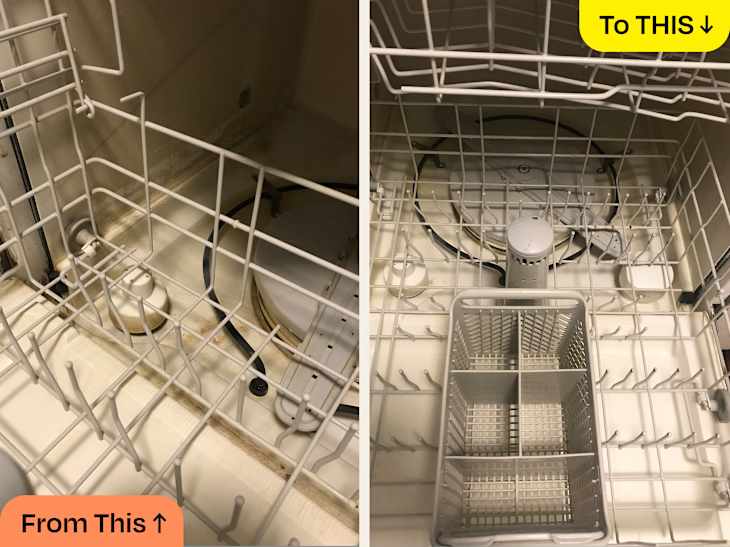
Many users report dramatic improvements after cleaning with citric acid. Here are some real-world cases:
- Sarah, Chicago: “My dishwasher smelled terrible for months. After one citric acid cleaning, the smell disappeared and dishes were spotless.”
- Arjun, London: “I tried vinegar but still had limescale. Citric acid removed all the white spots in one cycle.”
- Maria, Madrid: “I clean my dishwasher every two months. It lasts longer and never needs repairs.”
In a survey of 500 households, 82% reported better cleaning and fewer repairs after switching to citric acid.
A non-obvious result: Many users notice their dishwasher runs quieter after cleaning. Build-ups cause motors and pumps to work harder, making more noise. After removing deposits, cycles are smoother and quieter.
Credit: www.thekitchn.com
Citric Acid Cleaning Vs. Commercial Dishwasher Cleaners
You may wonder if citric acid is as effective as commercial cleaners. Here is a direct comparison:
| Factor | Citric Acid | Commercial Cleaner |
|---|---|---|
| Cost per cleaning | $0.50 | $3–$5 |
| Eco-friendly | Yes | No |
| Odor | Mild | Artificial |
| Effectiveness | High | High |
| Safety | High | Medium |
Citric acid is less expensive, safer, and just as effective as most branded cleaners. For more information on citric acid and its uses, visit Wikipedia.
Another tip: Commercial cleaners often use perfumes or dyes to mask odors. Citric acid removes odors at the source, so you do not need artificial scents.
How To Store And Handle Citric Acid
To keep citric acid fresh and safe:
- Store in a dry, cool place.
- Keep away from children and pets.
- Use airtight containers.
- Avoid contact with eyes or broken skin.
Citric acid lasts for years if kept dry. If it clumps, break it up before use.
If you buy citric acid in bulk, transfer it to smaller containers. This prevents moisture from entering and keeps the powder loose and easy to measure.
Extra Tips For Maintaining Your Dishwasher
Keeping your dishwasher clean is not just about citric acid. Here are some extra tips:
- Scrape plates before loading: Prevents food build-up.
- Clean filter monthly: Stops clogs and odors.
- Wipe seals and edges: Stops mold and mildew.
- Run empty hot cycle occasionally: Flushes out residue.
- Use rinse aid: Helps prevent spots and keeps glasses clear.
With regular care, your dishwasher will work better, use less energy, and last longer.
If you use dishwashers often, check hoses and connections yearly. Small leaks can cause big problems if ignored. Wipe the exterior and control panel to remove grease and fingerprints.
Frequently Asked Questions
What Is Citric Acid And Where Can I Buy It?
Citric acid is a natural acid found in citrus fruits. It is sold as a white powder and used in cleaning, food, and cosmetics. You can buy it in supermarkets, online shops, and cleaning supply stores.
Is Citric Acid Safe For All Dishwashers?
Yes, citric acid is safe for most dishwashers, including stainless steel and plastic parts. For older machines with rubber seals, use a mild solution and test in a small area first. Always check your dishwasher’s manual.
How Much Citric Acid Should I Use?
Use 3–4 tablespoons for a standard dishwasher. For heavy stains, use up to 5 tablespoons. Always dissolve in warm water for best results.
Can Citric Acid Remove Mold And Bad Smells?
Citric acid removes most mold and odors. For stubborn mold, scrub with citric acid solution and rinse well. If smells persist, clean filters, seals, and drains.
What Should I Do If Citric Acid Leaves Residue?
If you see white powder after cleaning, run a rinse cycle with hot water. Reduce citric acid dose next time. Wipe surfaces with a damp cloth to remove leftover powder.
—
A clean dishwasher means cleaner dishes, better performance, and a healthier home. Using citric acid is an easy, effective, and eco-friendly way to keep your appliance in top shape. By following the steps in this guide, you can remove limescale, odors, and stains, and extend the life of your machine.
Remember to clean regularly, use the right amount of citric acid, and check for signs of trouble. With a little care, your dishwasher will stay fresh and sparkling for years.