Choosing the right water heater for your home is not as simple as it once was. Today, homeowners face a tough choice between heat pump water heaters and tankless water heaters. Both promise energy savings and steady hot water, but their technology, performance, and costs are very different. If you want to lower your utility bills, reduce your carbon footprint, or just enjoy a reliable shower, understanding the differences is key. Many people focus only on price or brand, but real savings and comfort come from picking the right system for your needs. This guide will walk you through every important detail, clear up common myths, and help you make a confident decision.
How Heat Pump Water Heaters Work
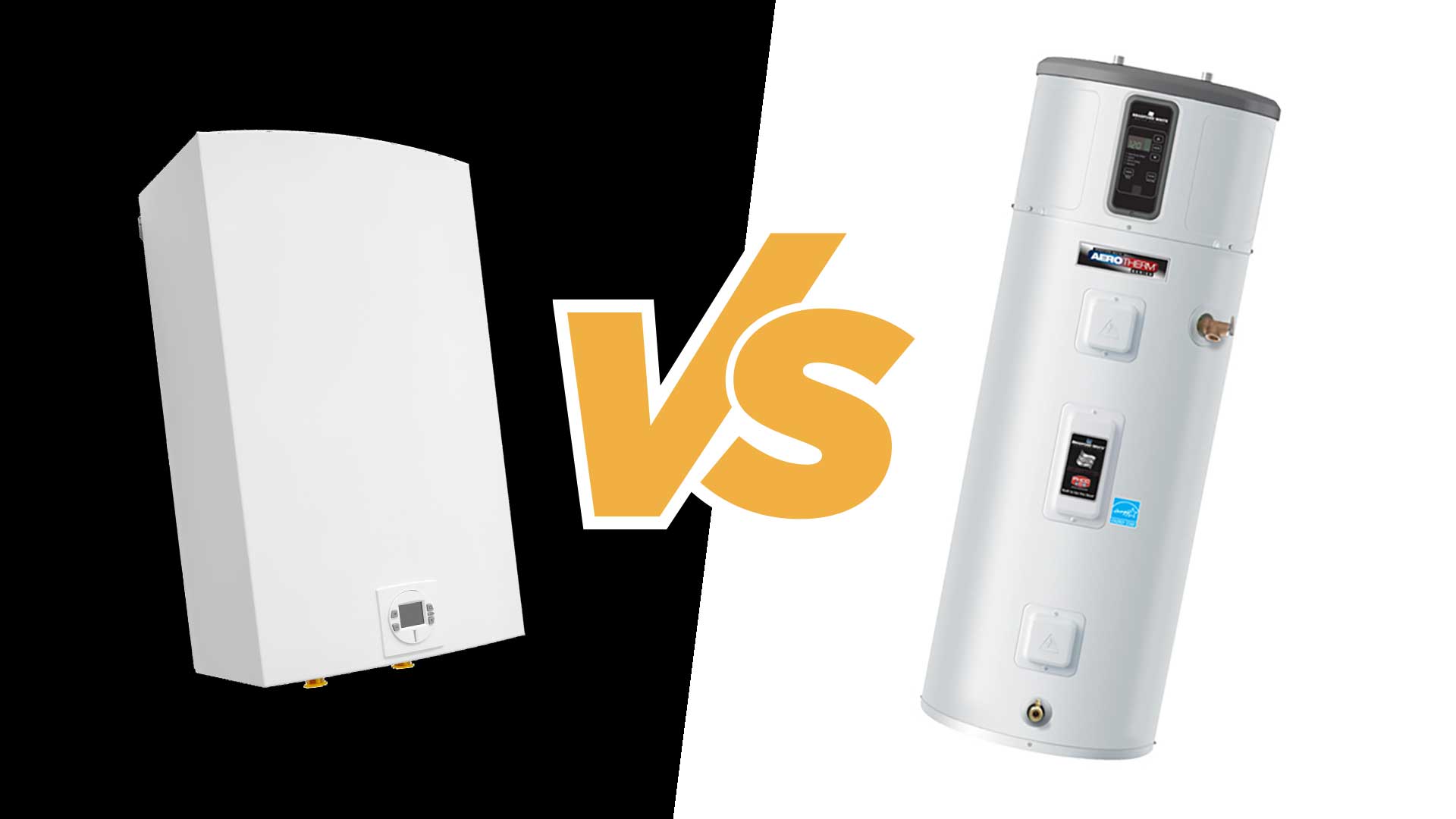
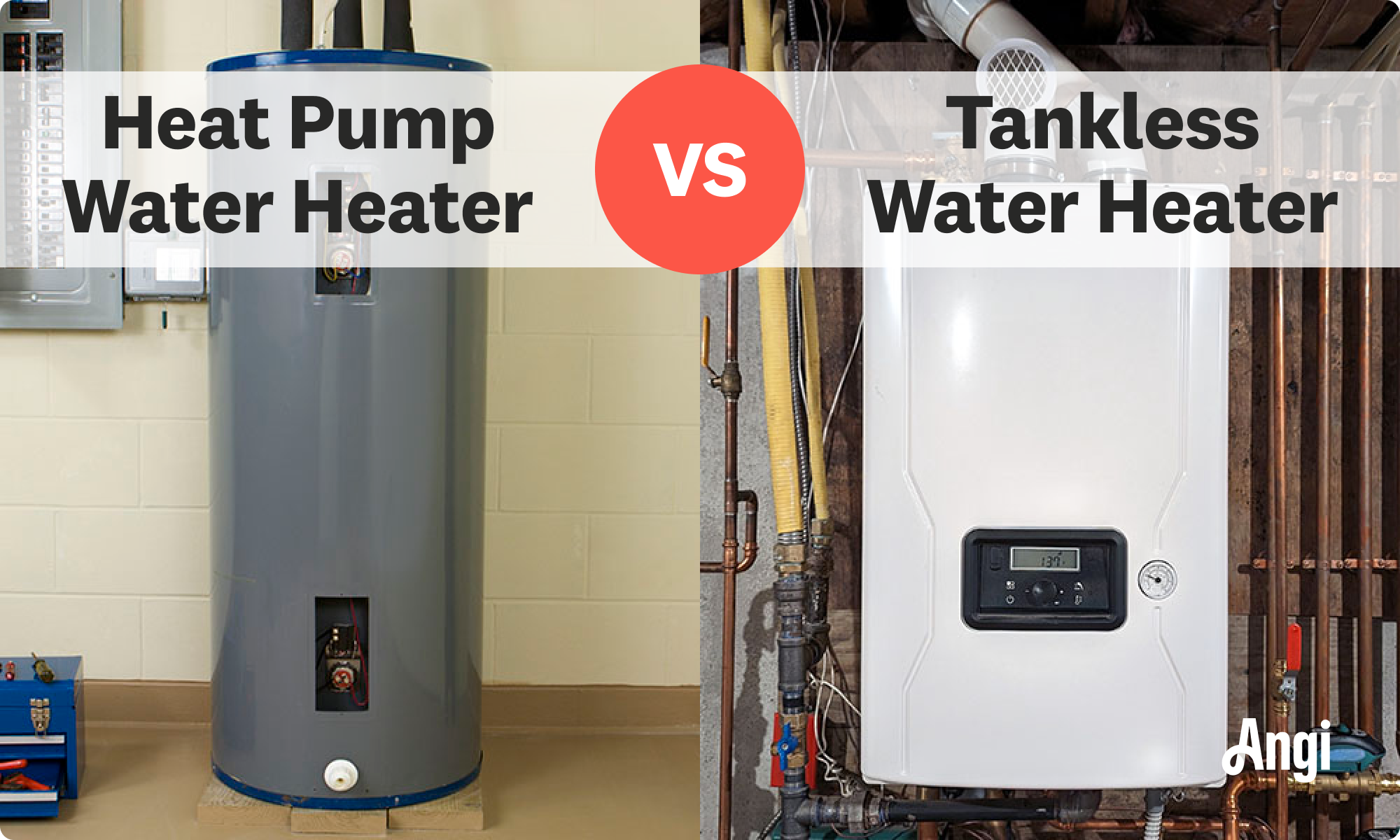
Heat pump water heaters (HPWHs) use a clever approach. Instead of generating heat directly, they move heat from the air around them into the water tank. You can think of this as a refrigerator in reverse. While a fridge pulls heat out to keep food cool, a HPWH pulls heat in to warm up water.
A fan draws in air, and the heat in that air is transferred by a refrigerant coil to the water in the tank. The process is powered by electricity, but because it moves heat rather than creates it, it’s much more efficient than traditional electric or gas heaters. For every unit of electricity used, it can deliver two to three units of heat.
Key Features Of Heat Pump Water Heaters
- High efficiency: Uses 60% less electricity than standard electric water heaters
- Storage tank: Typically holds 40 to 80 gallons
- Needs space: Works best in basements, garages, or utility rooms with good airflow
- Slow recovery rate: Takes longer to reheat water after heavy use
- Produces cool air: Can help with cooling in summer, but may be a downside in winter
How Tankless Water Heaters Work
Tankless water heaters, sometimes called on-demand water heaters, take a different approach. They have no storage tank. Instead, when you turn on a hot water tap, cold water passes through a powerful heat exchanger that instantly heats the water as it flows.
Most tankless models use either natural gas, propane, or electricity. Gas models are more common for whole-house use because they can deliver higher flow rates.
Key Features Of Tankless Water Heaters
- No storage tank: Heats water only when needed
- Unlimited hot water: As long as the unit is sized correctly
- Compact size: Mounts on a wall, saves floor space
- Higher upfront cost: But may last longer than tank-type heaters
- Quick response: Hot water within seconds
Comparing Energy Efficiency
Efficiency is one of the main reasons people consider upgrading their water heater. Both heat pump and tankless models promise lower bills, but their savings come from different sources.
| Water Heater Type | Typical Efficiency (EF) | Annual Energy Use (kWh) | Estimated Savings vs. Standard Electric |
|---|---|---|---|
| Heat Pump | 2.0 – 3.0 | 1,000 – 2,500 | Up to 60% less |
| Tankless (Gas) | 0.82 – 0.98 | 2,000 – 4,000 | 20-35% less |
| Tankless (Electric) | 0.95 – 0.99 | Varies by use | 10-20% less |
Heat pump water heaters are generally the most efficient for homes that use a lot of hot water. They can cut energy use by more than half compared to standard electric heaters. Tankless heaters are also efficient, but their real advantage is that they avoid standby losses (energy wasted keeping water hot all the time).
Tankless electric units are efficient at the point of use but may not be practical for whole-house needs in many homes due to their high electricity demands.
Installation Requirements And Costs
Upfront cost is one of the biggest factors for most homeowners. But it’s important to look beyond the price tag and consider installation needs, which can be very different.
Heat Pump Water Heater
- Unit cost: $1,200–$3,000 (depending on size and brand)
- Installation: $600–$1,500
- Total initial cost: $1,800–$4,500
- Space: Needs about 700–1,000 cubic feet of air space
- Placement: Best in mild climates, basements, or garages
- Electrical: Standard 240V outlet
- Drainage: Needs a way to handle condensate water
Tankless Water Heater
- Unit cost: $800–$2,500 (gas units are more expensive)
- Installation: $1,000–$2,500 (may need gas line or electric upgrade)
- Total initial cost: $1,800–$5,000
- Space: Wall-mounted, saves floor space
- Placement: Near high-use areas for faster delivery
- Gas units: Need venting for exhaust gases
- Electric units: May require heavy-duty wiring
Example Installation Scenarios
A family in a cold climate with a small utility closet might struggle to fit a HPWH. A tankless unit could be mounted on the wall, saving space. But if their electric panel is old, upgrading to support a large tankless electric heater could add $1,000 or more to the cost.
On the other hand, a homeowner with a large, unfinished basement in a warm state could easily install a HPWH and enjoy very low running costs, especially if their hot water use is predictable.

Credit: www.youtube.com
Lifespan And Maintenance
A water heater is a big investment, so you want it to last. Both heat pump and tankless heaters can offer long service, but each has its own needs.
| Type | Average Lifespan (Years) | Maintenance Tasks | Common Issues |
|---|---|---|---|
| Heat Pump | 10–15 | Clean filters, flush tank yearly | Compressor wear, air flow problems |
| Tankless (Gas) | 15–20 | Descale heat exchanger, check venting | Mineral buildup, ignition issues |
| Tankless (Electric) | 7–10 | Descale unit as needed | Heating element failure |
Tankless gas water heaters usually last the longest, sometimes over 20 years with good care. Heat pump water heaters often last 10–15 years, similar to regular tanks, but their compressors can be costly to repair if they fail.
One important detail many people miss: water hardness. Hard water can cause mineral buildup in both heat pump and tankless units, but tankless models are especially vulnerable. Installing a water softener or descaling regularly can extend the life of your system.
Performance And Hot Water Delivery
The way each system delivers hot water can affect your daily comfort. Some differences are obvious, others only show up after months of use.
Heat Pump Water Heater
A HPWH heats water slowly and stores it in a tank. This means:
- Consistent supply: Good for families with regular schedules
- Limited by tank size: If you use all the hot water, recovery is slow
- Best for: Homes with moderate, predictable hot water use
Tankless Water Heater
Tankless units provide hot water on demand. However:
- Endless hot water: As long as flow rate is not exceeded
- Limited by flow: Running too many showers or appliances at once can cause a drop in temperature
- Best for: Families with staggered hot water needs or frequent short showers
Example: Family Morning Rush
If everyone in the house showers one after another in the morning, a HPWH might run out of hot water after the second or third shower. With a tankless unit, as long as you don’t run three showers plus the dishwasher at once, you’ll have endless hot water.
But, if your home uses lots of hot water all at the same time, you may need more than one tankless unit.
Climate And Location Considerations
Few people realize how much climate affects water heater performance. Both heat pump and tankless types are sensitive to where you live.
Heat Pump Water Heaters
- Best in warm climates: They draw heat from the air, so they work faster and cheaper in a warm basement or garage.
- Cold climates: Performance drops in cold air. If placed in a chilly room, they become less efficient and can even cool the space further.
- Not for small spaces: Needs air to “breathe.” In small closets, they don’t work well.
Tankless Water Heaters
- Cold inlet water: In colder climates, the incoming water is much colder, so the unit must work harder to reach your set temperature.
- Sizing matters: A tankless unit sized for a warm climate may not deliver enough hot water in a northern winter.
- Gas models: Less affected by climate, but still need correct sizing.
Tip: Always have a professional size your system based on your local water temperature and your home’s peak demand.
Costs Over Time: Energy, Maintenance, And Repairs
It’s easy to focus only on the purchase price, but the true cost of a water heater is what you pay over 10–15 years.
Heat Pump Water Heater
- Lower energy bills: Can save $300–$500 per year over standard electric
- Maintenance: Needs filter cleaning and annual tank flushing, but costs are low
- Repairs: Compressor failure can be expensive ($500–$1,000+)
- Rebates: Many utility companies and states offer rebates up to $750 for HPWHs
Tankless Water Heater
- Energy bills: Gas units save $100–$200 per year over standard gas tanks
- Maintenance: Requires descaling, especially in hard water areas
- Repairs: Ignition or heat exchanger repairs can be $300–$800
- Lifespan: Longer lifespan may mean fewer replacements
Real-world Example
A homeowner in California might pay $3,000 for a HPWH, get a $750 rebate, and save $400 per year on electricity. Over 10 years, their total cost (including maintenance and one minor repair) could be $2,500 less than keeping their old electric tank.
In Texas, a gas tankless unit may cost $2,500 installed. They save $150 a year on gas, but pay $100 yearly for descaling. Over 15 years, their total savings may be less than with a heat pump, but they enjoy endless hot water and a compact system.
Environmental Impact
Many people today want a greener home. Both systems help, but in different ways.
Heat Pump Water Heaters
- Very low carbon footprint: Especially if your electricity comes from renewables
- Reduces grid demand: Uses electricity efficiently, puts less stress on power plants
- Helps air conditioning: In warm climates, the cool air they produce can help your AC
Tankless Water Heaters
- Lower emissions: Gas tankless units use less fuel than old tank heaters
- No standby loss: Only heats water as needed, so less wasted energy
- Electric models: Can be green, but may strain the grid if not sized carefully
If you want the smallest environmental impact, a heat pump water heater powered by solar or wind energy is hard to beat.
Real-life Use Cases: Which Is Best For You?
No single system is perfect for every home. Here’s how each type fits different needs:
Choose A Heat Pump Water Heater If:
- You have a large, open space (like a basement) with mild temperatures
- Your hot water use is steady but not extreme
- You want the highest efficiency and lowest carbon footprint
- You don’t mind a slightly slower recovery time
- You can take advantage of rebates or tax incentives
Choose A Tankless Water Heater If:
- You have limited space or want a wall-mounted solution
- Your household needs endless hot water for showers, especially at different times
- You live in a region with affordable natural gas
- Your home’s electrical panel can handle the load (for electric models)
- You want a system that can last up to 20 years
Non-obvious insight: Many people install tankless heaters thinking they’ll save the most money, but if your family uses a lot of hot water at once, you might need two or more units—raising both cost and complexity.
Another insight: Heat pump water heaters can actually make your basement less humid, which is a bonus in damp climates. But in dry, cold areas, they can make spaces uncomfortably cool.
Credit: philbarnettplumbing.com
Myths And Common Mistakes
There is a lot of confusion about both types of water heaters. Here are some myths and pitfalls to avoid:
- Myth: Tankless heaters always give endless hot water. (Truth: Only if you don’t exceed their flow rate.)
- Myth: Heat pump water heaters work anywhere. (Truth: They need space and warm air to be efficient.)
- Mistake: Ignoring water quality. Hard water can clog both systems fast.
- Mistake: Not sizing the unit correctly. Both types need careful sizing for your home’s needs.
- Mistake: Skipping maintenance. Even “maintenance-free” systems need annual checks.
Comparing Pros And Cons Side-by-side
To make your decision easier, here’s a direct comparison:
| Feature | Heat Pump Water Heater | Tankless Water Heater |
|---|---|---|
| Efficiency | Very high (2x–3x standard electric) | High (especially gas models) |
| Hot Water Supply | Limited by tank size | Unlimited (within flow rate) |
| Space Needed | Large (needs air flow) | Small (wall-mounted) |
| Climate Suitability | Best in warm/mild climates | Works in most climates |
| Lifespan | 10–15 years | 15–20 years (gas), 7–10 (electric) |
| Upfront Cost | Moderate–High (rebates available) | Moderate–High (plus install) |
| Maintenance | Low–Moderate | Moderate–High |
| Noise | Some (compressor/fan) | Minimal |
| Environmental Impact | Very low | Low (if gas), moderate (if electric) |
Rebates, Incentives, And Future Trends
Many regions now offer strong incentives to encourage efficient water heating.
- Federal tax credits: Up to $2,000 for heat pump water heaters (as of 2024)
- Utility rebates: Vary by state, but often $300–$750 for HPWHs
- Local programs: Some cities offer extra incentives for electric upgrades
- Tankless gas units: May qualify for smaller rebates
As more homes use renewable energy and electric cars, efficient electric water heating will become even more important. Heat pump technology is improving fast, and tankless units are also getting smarter, with Wi-Fi controls and leak detection.
For more on energy efficiency standards, see the official U.S. Department of Energy guide.
Frequently Asked Questions
What Is The Biggest Advantage Of A Heat Pump Water Heater?
The biggest advantage is energy efficiency. Heat pump water heaters can use as little as one-third the energy of a standard electric tank, which can mean hundreds of dollars saved each year. They are also more environmentally friendly, especially if your power comes from renewables.
Can A Tankless Water Heater Supply Enough Hot Water For A Large Family?
Yes, but only if it’s properly sized. If your family often uses several showers and appliances at the same time, you may need a larger unit or more than one tankless heater. Always have a professional size your system for your home’s peak demand.
Do Heat Pump Water Heaters Work In Cold Climates?
They can work in cold climates, but their efficiency drops if the surrounding air is very cold. They are best installed in basements or heated areas where the temperature stays above 50°F most of the year.
Which System Is Easier To Maintain?
Both systems need regular maintenance. Heat pump units need filter cleaning and tank flushing. Tankless models, especially gas types, need descaling to prevent mineral buildup. Tankless units may require more frequent attention if your water is hard.
Is It Worth The Higher Upfront Cost For These Systems?
For most homeowners, the long-term energy savings and lower environmental impact make the higher upfront cost worthwhile. Rebates and incentives can lower the initial price, and both systems can add value to your home.
Upgrading to a modern water heater is a smart move for comfort, savings, and the planet. By understanding the real differences between heat pump water heaters and tankless water heaters, you can choose the best fit for your home and enjoy reliable hot water for years to come.
Credit: www.angi.com