Choosing between a flat roof and a pitched roof for your home or building is a decision that can influence not just the aesthetics, but also the functionality and cost of your property. It’s not just about looks; it’s about what you need and what will serve you best in the long run.
Imagine having a roof that complements your lifestyle, your budget, and even helps with energy efficiency. Sounds ideal, right? But how do you decide which one aligns with your vision and needs? We’ll delve into the pros and cons of flat and pitched roofs, helping you make an informed decision that you’ll be satisfied with for years to come.
Keep reading to find out which type of roof is the perfect fit for your project.
Credit: www.brickworks.com.au
Design And Aesthetics
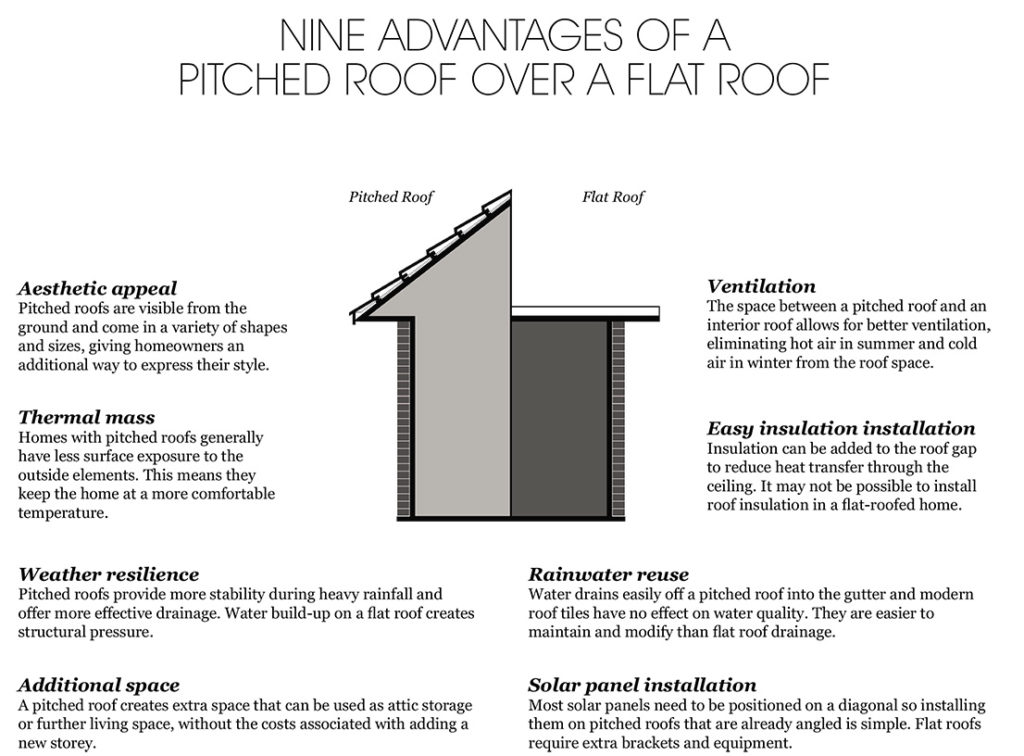
Design and aesthetics play a crucial role in roof selection. A roof is more than just a functional element; it defines the character of a home. Flat and pitched roofs offer distinct design choices. Each has its unique visual appeal. Exploring these aspects can help homeowners make informed decisions.
Modern Appeal Of Flat Roofs
Flat roofs offer a sleek, modern look. They create clean lines and simple forms. This design is popular in contemporary architecture. Flat roofs can enhance minimalist home styles. They also provide extra outdoor space. Rooftop gardens or patios can be added. This makes flat roofs versatile and practical.
Traditional Charm Of Pitched Roofs
Pitched roofs exude classic elegance. Their sloping design has been timeless. They are often seen in traditional homes. Pitched roofs add character and depth to buildings. They are also visually appealing with varied angles. A variety of materials can be used. This allows homeowners to personalize their roof’s look.
Credit: www.laescandella.com
Cost Considerations
Choosing between flat and pitched roofs involves various cost considerations. Each roof type has distinct initial and long-term expenses. Understanding these costs is vital for making informed decisions.
Initial Construction Costs
Flat roofs are generally cheaper to construct. They use fewer materials and require less labor. This makes them attractive for budget-conscious projects. Pitched roofs, on the other hand, involve complex designs. They need more materials and skilled labor, increasing initial costs.
Long-term Maintenance Expenses
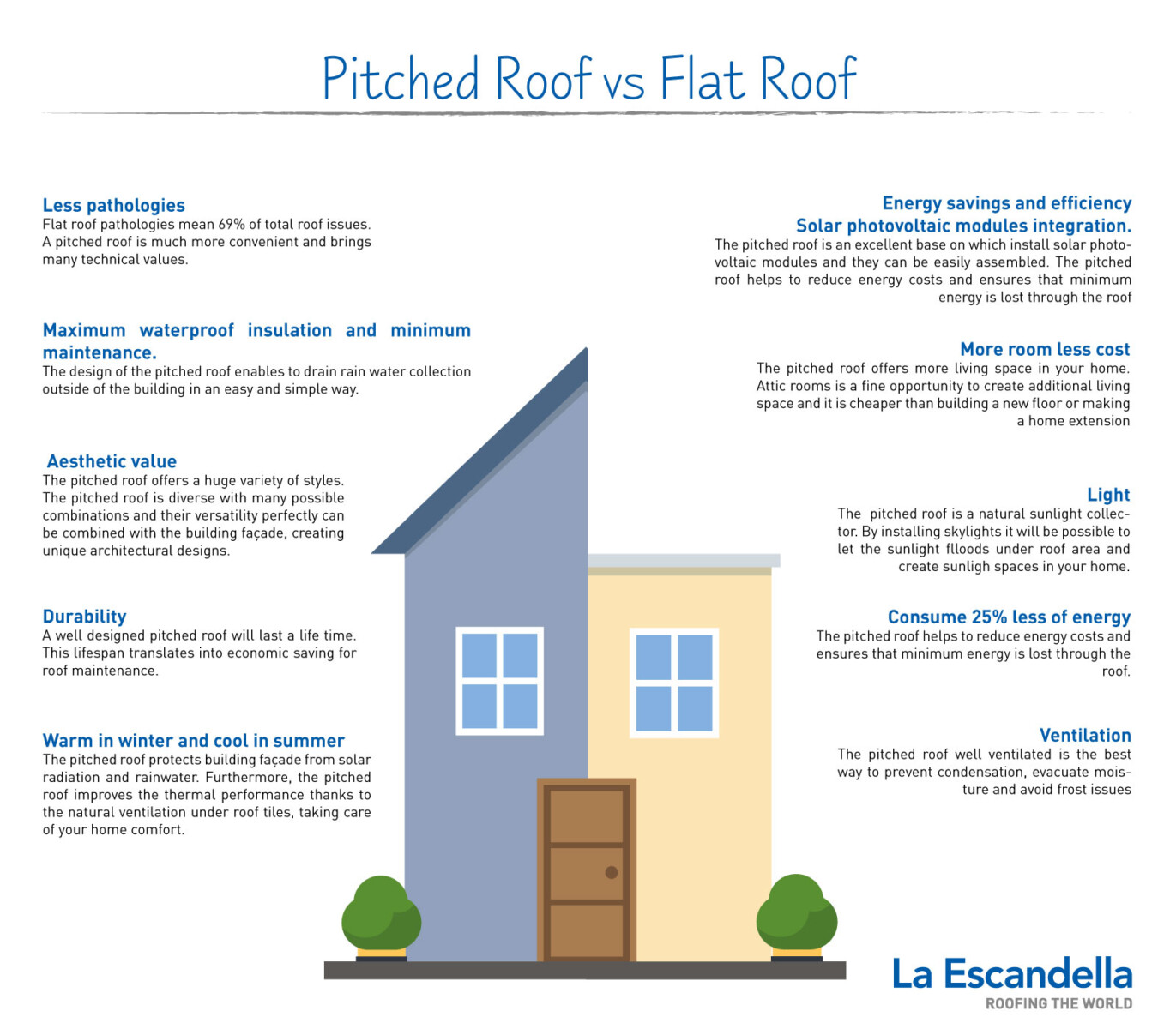
Flat roofs often demand frequent maintenance. They are prone to water pooling and leaks. Regular inspections and repairs can add up over time. Pitched roofs usually need less upkeep. Their slope allows water to run off easily. This reduces the risk of leaks, lowering maintenance costs.
Climate And Weather Suitability
Choosing between a flat roof and a pitched roof depends on the climate. Different weather conditions affect roof performance. Understanding climate suitability helps in making informed decisions.
Performance In Snowy Conditions
Pitched roofs handle snow well. The slope allows snow to slide off. This prevents heavy snow accumulation. Flat roofs may struggle in snowy areas. Snow piles up easily on a flat surface. This increases the risk of roof damage. Regular maintenance is vital for flat roofs in snow-prone regions.
Handling Heavy Rainfall
Pitched roofs excel in areas with heavy rain. The slope aids in water runoff. This reduces the chance of leaks. Flat roofs need efficient drainage systems. Poor drainage leads to water pooling. This can cause damage over time. Proper design and regular checks are necessary for flat roofs in rainy climates.
Credit: a9architecture.squarespace.com
Space And Usability
Choosing between flat and pitched roofs affects both space and usability. Flat roofs offer modern aesthetics and versatile space for solar panels. Pitched roofs provide better drainage and traditional charm, enhancing usability in rainy climates. Each option presents unique advantages tailored to specific needs.
When deciding between a flat roof and a pitched roof, space and usability are crucial factors to consider. These elements can significantly influence not just the aesthetics of your home, but also its functionality and potential for additional uses. Depending on your lifestyle and needs, the choice of roof can open up unique opportunities for enhancing your living space.Rooftop Gardens And Solar Panels
A flat roof offers an excellent opportunity to maximize space through rooftop gardens or solar panel installations. Imagine having a lush green garden just a flight of stairs away, perfect for unwinding after a busy day. Flat roofs can support these installations more easily due to their level surface. This makes them a popular choice for urban homes where ground space is limited. On the other hand, pitched roofs can make installing solar panels a bit more challenging. However, they can still be fitted with solar panels, often at an angle that captures optimal sunlight.Attic Space And Storage
Pitched roofs often come with the added benefit of attic space. This can be a lifesaver when it comes to storage or even converting the space into an additional room. You can store off-season items, create a cozy reading nook, or even design a play area for the kids. The sloped design naturally lends itself to these possibilities. Flat roofs, however, lack this additional interior space. This might make you think twice if you are someone who values extra indoor storage. When choosing between flat and pitched roofs, consider how you plan to utilize the space. Do you dream of a garden in the sky, or are you more in need of extra room indoors? Your answer can guide you towards the right choice.Durability And Lifespan
Flat roofs often face challenges with water pooling, which can reduce their lifespan. Pitched roofs, with their sloping design, naturally shed water and debris, enhancing durability and longevity. Choosing the right roof depends on climate and maintenance preferences.
When considering the durability and lifespan of a roof, you need to weigh your options between a flat and pitched roof. Each roof type has distinct characteristics that affect how long it lasts and how well it can withstand the elements. Understanding these differences can help you make an informed decision that best suits your needs and environment.Material Lifespan
The materials you choose for your roof can significantly affect its lifespan. Flat roofs often use materials like rubber or PVC, which typically last 15 to 30 years. In contrast, pitched roofs commonly use asphalt shingles, metal, or tiles, with lifespans ranging from 20 to over 50 years. If you opt for a pitched roof with metal or tiles, you might enjoy more decades of protection. Consider if you prefer a longer lifespan with potentially higher upfront costs. Does investing now save you from future headaches?Resistance To Wear And Tear
Flat roofs are more susceptible to pooling water, which can lead to leaks and quicker deterioration. Regular maintenance is crucial to prolong their life. A friend of mine had to replace her flat roof after just 10 years due to persistent water damage. Pitched roofs naturally shed water and debris, making them less prone to wear and tear. Their design offers better resistance to harsh weather conditions. However, don’t let that deter you from regular checks to ensure longevity. Both roof types require care to maximize their lifespan. Are you ready to commit to the maintenance your choice demands? Regular inspections and timely repairs can make a significant difference, regardless of your roof’s style.Energy Efficiency
Choosing the right roof affects energy efficiency. Both flat and pitched roofs offer unique benefits. Understanding their differences helps in making informed decisions.
Insulation And Heat Retention
Flat roofs often have superior insulation. They can accommodate thick insulation layers. This design reduces heat loss in colder months. It keeps indoor temperatures stable. Pitched roofs, while sometimes less insulated, have natural heat retention. Their slope helps in shedding snow. This can prevent excessive heat loss.
Ventilation And Airflow
Flat roofs may face challenges with ventilation. Poor airflow can lead to heat buildup. This makes cooling less efficient in summer. Pitched roofs provide better natural ventilation. Their design allows air to circulate easily. This improves indoor air quality and comfort. Efficient airflow helps in reducing cooling costs.
Environmental Impact
Flat roofs generally have a lower environmental impact due to less material usage. Pitched roofs often require more resources, impacting sustainability. Choosing between them involves considering energy efficiency and material consumption.
When deciding between a flat roof and a pitched roof, the environmental impact is an essential factor to consider. Your choice can influence everything from energy consumption to the surrounding wildlife. Understanding how each type of roof affects the environment can help you make a more informed decision.Sustainability Of Materials
The materials used in flat and pitched roofs can significantly impact their sustainability. Flat roofs often use materials like bitumen, which can be less sustainable due to their shorter lifespan and oil-based nature. However, some newer flat roofing materials are recycled and more eco-friendly. On the other hand, pitched roofs commonly use materials like clay tiles or metal, which can be more durable and recyclable. These materials often last longer, reducing the need for frequent replacements and minimizing waste. Choosing sustainably sourced materials can further enhance the environmental benefits of your roof.Impact On Local Ecosystems
Flat roofs offer unique opportunities to support local ecosystems. Installing a green roof can transform a flat surface into a mini ecosystem, supporting plant life and even small wildlife. This can help combat urban heat and improve air quality. Pitched roofs may have less direct interaction with local ecosystems, but they still play a role. The runoff from pitched roofs can affect local water systems. By installing rainwater collection systems, you can minimize negative impacts and use the water for gardening or other purposes. Have you considered how your roofing choice might affect your local environment? It’s fascinating how something as simple as a roof can have such a broad impact.Installation And Repair Challenges
Choosing between a flat roof and a pitched roof involves considering many factors. Installation and repair challenges are key considerations for homeowners and builders. Understanding these challenges helps in making an informed decision.
Ease Of Installation
Flat roofs are generally easier to install than pitched roofs. They require fewer materials and less time. Their simple design makes them less complicated. Pitched roofs, with their slopes, need more expertise. This often means higher labor costs. The angles and design require precision. This can prolong the installation process.
Common Repair Issues
Flat roofs face unique repair challenges. Water pooling is a frequent issue. This can lead to leaks and damage. Regular maintenance is crucial for longevity. Pitched roofs, on the other hand, deal with different problems. Shingle damage from weather can occur. Strong winds might dislodge tiles. These issues often require immediate attention. Ignoring them can lead to costly repairs.
Frequently Asked Questions
What Are The Main Differences Between Flat And Pitched Roofs?
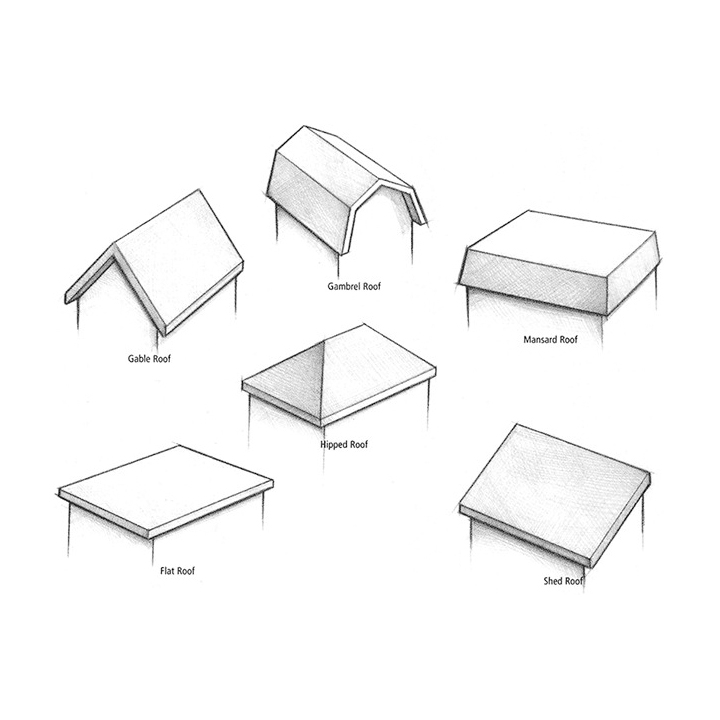
Flat roofs are level. Pitched roofs have a slope. Each has unique benefits and challenges.
Which Roof Type Is Better For Heavy Rainfall Areas?
Pitched roofs are better. They easily drain rainwater due to their slope. Reducing risk of leaks.
Is A Flat Roof Cheaper Than A Pitched Roof?
Yes, flat roofs usually cost less. They require fewer materials and are easier to construct.
Do Flat Roofs Require More Maintenance Than Pitched Roofs?
Yes, flat roofs often need more maintenance. They can collect water and debris, leading to potential issues.
Can Solar Panels Be Installed On Both Roof Types?
Yes, you can install solar panels on both. Flat roofs need racks to tilt panels. Pitched roofs don’t.
Conclusion
Choosing between flat and pitched roofs depends on your needs. Each option offers distinct advantages. Flat roofs are easier to install and maintain. They provide modern aesthetics and are cost-effective. Pitched roofs excel in drainage and insulation. They suit traditional styles and offer durability.
Consider climate, budget, and design preferences. Think about maintenance and long-term goals. Consult with a roofing expert before deciding. Make sure your choice aligns with your lifestyle and expectations. Both types have unique features. Your final decision should reflect your priorities and vision.