
Are you considering a fresh look for your home’s exterior? Choosing the right siding can feel overwhelming, but it doesn’t have to be.
When it comes to vinyl siding, two popular styles often come up: Dutch Lap and Traditional. Understanding their differences is crucial in making the best choice for your home’s aesthetic and your budget. Imagine transforming your house into a head-turning masterpiece that stands out in the neighborhood.
This article will guide you through the essential features, benefits, and drawbacks of both Dutch Lap and Traditional Vinyl Siding. By the end, you’ll have a clear picture of which siding will not only enhance your home’s curb appeal but also provide lasting satisfaction. Let’s dive into the details, so you can make an informed decision and achieve the stunning exterior you’ve always dreamed of.
Material Composition
Dutch lap siding offers a distinct profile with overlapping panels, enhancing visual depth. Traditional vinyl siding presents a flat, clean look. Both types resist weather well, but Dutch lap’s design adds architectural interest. Material composition in these sidings affects durability and maintenance needs.
Understanding the material composition of Dutch Lap and Traditional Vinyl Siding is essential when choosing the best option for your home. Each style offers unique benefits, and the composition plays a significant role in durability, appearance, and maintenance. Let’s dive into the details to help you make an informed decision.Vinyl Basics
Vinyl siding is a popular choice due to its affordability and low maintenance. It is primarily made from polyvinyl chloride (PVC), which is known for its strength and flexibility. You might be surprised to know that PVC is the same material used in plumbing pipes, offering a robust exterior shield against the elements. The vinyl composition allows it to resist moisture and pests, making it ideal for various climates. Have you ever wondered why vinyl siding can withstand harsh weather? Its composition is specifically designed for resilience and longevity.Manufacturing Differences
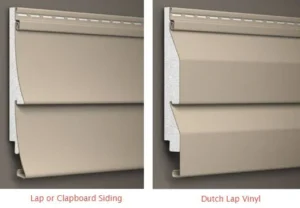
Dutch Lap siding and Traditional Vinyl Siding differ mainly in their manufacturing techniques. Dutch Lap is crafted to mimic wood lap siding, featuring a beveled edge that adds depth and shadow, giving your home a textured look. Traditional Vinyl Siding, on the other hand, is flatter and offers a simpler aesthetic. Have you noticed how Dutch Lap siding creates a distinctive shadow line? This is due to its unique cutting and shaping process. The manufacturing process also affects installation. Dutch Lap’s design might be more challenging to install due to its shape, but many homeowners find the added curb appeal worth the effort. What do you value more, ease of installation or aesthetic appeal? In the end, both siding options provide durability and style. Your choice might boil down to what suits your home’s architectural style and your personal preference.
Credit: vasquezsidingllc.com
Design And Aesthetics
Dutch lap siding offers a curved design, creating shadows for a textured look. Traditional vinyl siding provides a flat appearance, delivering a classic and clean finish. Both options enhance home exteriors with their distinct styles.
When choosing the perfect siding for your home, design and aesthetics play a crucial role. The exterior of your house is the first impression for visitors and passersby. Thus, selecting a style that complements your architecture and personal taste is essential. Dutch Lap and Traditional Vinyl Siding offer distinct visual appeals that can transform your home’s look.Dutch Lap Style
Dutch Lap siding features a unique, beveled edge that creates a shadow line effect. This design mimics the look of hand-carved wood planks, offering a sophisticated appearance. The shadow effect adds depth and dimension, making the exterior look more dynamic. You might appreciate Dutch Lap if you love classic, colonial-style homes with character and charm. The added texture can give your house an upscale feel without the high maintenance costs of wood siding. It’s a practical choice for homeowners wanting elegance with durability.Traditional Style
Traditional Vinyl Siding offers a simple, clean look that suits modern and minimalist designs. It provides a smooth surface that can be both understated and versatile. This style is often chosen for its affordability and ease of installation. It’s perfect if you prefer a straightforward, no-fuss aesthetic that doesn’t distract from your landscaping or other architectural features. Traditional siding is available in a wide range of colors, allowing you to personalize your home’s exterior. Would you choose a bold color to make a statement, or stick with neutral tones for a timeless look? Both Dutch Lap and Traditional Vinyl Siding have their unique aesthetic appeals. Which style resonates with your vision for your home?Installation Process
The installation process for Dutch Lap and Traditional Vinyl Siding differs. Understanding these differences helps homeowners make informed decisions. This section delves into the detailed steps and techniques involved.
Preparation Steps
Ensure the surface is clean and dry. Remove any old siding or debris. Check for any damage on the walls. Repair damaged areas before installation. Measure the walls to determine the amount of siding needed. Gather all necessary tools and materials. This includes nails, a level, and a saw. Safety gear is also important. Gloves and eye protection are recommended.
Installation Techniques
Start by installing the starter strip at the base. This is crucial for a straight alignment. Overlap each panel slightly to ensure water resistance. Secure panels with nails. Avoid over-tightening to allow for expansion. Use a level to check the alignment regularly. Install trim pieces around windows and doors. These provide a neat finish. For corners, use corner posts to secure edges. Follow the manufacturer’s guidelines for specific details.

Credit: www.pinterest.com
Durability And Maintenance
Dutch lap siding offers a unique profile and better shadow lines than traditional vinyl. Both types are durable, but Dutch lap might need more care to maintain its distinct appearance. Regular cleaning ensures longevity and keeps both siding types looking fresh and new.
Choosing the right siding for your home is a crucial decision that impacts its appearance, protection, and value. Two popular choices homeowners often consider are Dutch Lap and Traditional Vinyl Siding. While aesthetics play a significant role, understanding their durability and maintenance needs can help you make a more informed choice. So, let’s dive into how these two options stack up in terms of weather resistance and maintenance needs.Weather Resistance
Dutch Lap siding is known for its unique overlapping design, which offers improved protection against the elements. This design helps divert rainwater and minimizes the risk of water infiltration. It’s like having an extra shield for your home. Traditional Vinyl Siding, while also resistant to weather, might not offer the same level of protection in extreme conditions. Its straightforward design is less efficient at channeling water away, potentially increasing vulnerability during severe storms. Imagine living in an area prone to heavy rains or high winds. Wouldn’t you prefer the added security of Dutch Lap’s design? Consider your local climate when weighing these options.Maintenance Needs
Both Dutch Lap and Traditional Vinyl Siding are praised for their low maintenance requirements, but there are subtle differences. Dutch Lap tends to trap less dirt in its grooves, making cleaning a breeze. A quick rinse with a garden hose is often enough to keep it looking fresh. Traditional Vinyl Siding may require a bit more attention. Dirt can accumulate more easily, necessitating occasional scrubbing to maintain its appearance. This could mean more time spent on upkeep, especially if your home is surrounded by trees. Think about your lifestyle. Are you ready to invest a little more time in cleaning, or do you prefer minimal maintenance? Your answer could steer your choice towards one option over the other. Remember, your siding choice is not just about curb appeal; it’s about protecting your investment. Whether you favor the enhanced weather resistance of Dutch Lap or the straightforward charm of Traditional Vinyl, consider how each option fits into your life and environment. Your home deserves siding that stands the test of time with ease.Cost Considerations
Dutch lap siding often costs more due to its unique profile, adding depth and shadow. Traditional vinyl siding is typically cheaper, offering a straightforward look. Budget and aesthetic preference guide the choice between these options.
When choosing between Dutch Lap and Traditional Vinyl Siding, cost considerations play a crucial role in your decision-making process. Understanding the financial aspects can help you budget effectively and avoid unexpected expenses. Let’s dive into the specifics of material and installation costs to give you a clearer picture.Material Costs
The cost of materials is often the first thing homeowners think about. Dutch Lap siding tends to be slightly more expensive than Traditional Vinyl Siding. This is because its design requires more material and intricate manufacturing processes. However, the price difference isn’t massive. For example, if you’re covering a medium-sized house, the overall increase might be just a few hundred dollars. Is the aesthetic appeal worth that additional cost for you?Installation Expenses
Installation expenses can vary significantly between Dutch Lap and Traditional Vinyl Siding. Dutch Lap siding might require more skilled labor due to its unique profile and overlapping design. This can lead to higher installation costs. I remember when I decided on Dutch Lap for my home, the installer charged a bit more than expected. The craftsmanship required was evident, but it was worth every penny for the final look. Consider this: are you prepared to pay a premium for a potentially more challenging installation? Or does the straightforward process of Traditional Vinyl Siding appeal more to your budget and timeline? Weighing these cost considerations will help ensure you make an informed choice that aligns with your financial goals. Which factor holds more weight for you—material costs or installation expenses?Energy Efficiency
Energy efficiency plays a big role in choosing siding for homes. It impacts heating and cooling costs. Dutch lap and traditional vinyl siding differ in their energy-saving capabilities. Understanding these differences helps homeowners make informed decisions.
Insulation Properties
Dutch lap siding has better insulation than traditional vinyl. Its design traps air and provides extra protection. This helps keep homes warm in winter and cool in summer.
Traditional vinyl siding offers basic insulation. It may not be as effective in extreme temperatures. Choosing the right insulation can improve comfort indoors.
Energy Savings
Improved insulation leads to lower energy bills. Dutch lap siding can reduce heating and cooling costs significantly. Over time, this savings can be substantial.
Traditional vinyl siding may require more heating and cooling. This can increase energy expenses. Homeowners should consider long-term savings when selecting siding.
Environmental Impact
When choosing between Dutch lap and traditional vinyl siding, considering the environmental impact is crucial. Both options have their pros and cons in terms of sustainability and recycling. Understanding these differences can guide you in making an eco-friendly decision for your home.
Sustainability
Vinyl siding is often touted for its long lifespan, which can reduce the frequency of replacements. Dutch lap siding, with its distinct overlapping design, might use slightly more material than traditional siding. However, if maintained well, both types can last for decades, minimizing the need for additional resources.
Manufacturers are increasingly using sustainable practices. Some companies prioritize reducing emissions and energy consumption during production. Have you checked if your preferred brand follows these practices?
Recycling Options
Recycling vinyl siding can be challenging but not impossible. Many recycling centers are now equipped to handle vinyl, converting it into new products. This means old siding doesn’t have to end up in landfills.
Is your local recycling facility equipped to recycle vinyl siding? Some manufacturers offer take-back programs, ensuring old siding is responsibly processed. Exploring these options can make a significant difference in reducing environmental waste.
Consider the potential for reusing old materials in creative ways. Could old siding be repurposed for garden projects or other home improvements? Engaging with these recycling options promotes a sustainable lifestyle.
Credit: abcnwa.com
Market Availability
Dutch lap vinyl siding offers a unique curved profile, while traditional vinyl siding boasts a flat, clean look. Both styles are widely available, catering to various design preferences and needs. Homeowners can easily find either option at local home improvement stores or online retailers.
When choosing between Dutch Lap and Traditional Vinyl Siding, market availability plays a crucial role. You’ll want to know what’s out there before making a decision. Availability can impact not only the style but also the overall look and feel of your home.Color And Texture Options
Both Dutch Lap and Traditional Vinyl Siding offer a wide range of color and texture options. Dutch Lap often features a slightly more modern look with its distinct shadow line. This can make your home stand out in a neighborhood filled with traditional designs. Traditional Vinyl Siding, on the other hand, offers timeless appeal with its smooth finish. You might find that the classic look blends seamlessly with older homes. Have you ever driven past a house and noticed how its siding caught your eye because of its unique color or texture? That could be the deciding factor for you.Supplier Choices
The availability of suppliers can vary based on your location. Some areas might have a wider selection of Dutch Lap options, while others may favor Traditional Vinyl. It’s important to research local suppliers to see what’s readily available. You may also discover that some suppliers specialize in one type over the other. This can affect not only your options but also the price. Does your local hardware store have more Dutch Lap samples on display? That could be a sign of its popularity in your area. Think about how supplier choices might influence your project timeline. With more suppliers, you might face shorter wait times for delivery and installation. This can be a game-changer if you’re working on a tight schedule.Consumer Preferences
Choosing the right vinyl siding can be challenging. Dutch Lap and Traditional vinyl siding offer unique benefits. Consumer preferences vary based on style, durability, and cost. Each type appeals to different tastes and needs. Understanding these preferences helps homeowners make informed decisions.
Popular Trends
Homeowners often lean towards styles that enhance curb appeal. Dutch Lap siding features a distinctive shadow line. This adds depth and character to home exteriors. Traditional vinyl siding offers a classic look. It suits those preferring simplicity and elegance. Trends show a growing interest in modern aesthetics. Dutch Lap aligns with this trend. It provides a contemporary flair.
Homeowner Testimonials
Many homeowners share positive experiences with Dutch Lap siding. They appreciate its visual appeal and durability. Some prefer Traditional vinyl for its timeless appearance. A homeowner stated, “Dutch Lap transformed our home’s look.” Another remarked, “Traditional siding has kept its charm over the years.” These testimonials highlight personal satisfaction and value.
Final Verdict
Choosing between Dutch Lap and Traditional Vinyl Siding can be tough. Both options have unique benefits and drawbacks. The final verdict depends on your specific needs and preferences.
Pros And Cons
Dutch Lap siding has a distinct shadow line. It adds depth to your home’s exterior. This style is durable and easy to maintain. It may cost more than traditional options, though. Traditional vinyl siding is budget-friendly and versatile. It offers a classic look suitable for many homes. It might not offer the same visual depth as Dutch Lap.
Best Use Cases
Dutch Lap siding is ideal for homeowners seeking a modern look. It suits homes with a contemporary design. It can enhance curb appeal significantly. Traditional vinyl siding fits perfectly with classic homes. It’s great for those wanting a timeless appearance. It adapts well to various architectural styles.
Frequently Asked Questions
What Is Dutch Lap Vinyl Siding?
Dutch Lap siding features a unique beveled edge. It creates a shadow line. Offers a classic look.
How Does Traditional Vinyl Siding Differ?
Traditional vinyl siding has a flat, smooth surface. It’s simple and clean. Great for modern homes.
Which Siding Is More Durable?
Both are durable and low-maintenance. Quality varies by brand. Check warranties for specifics.
Is Dutch Lap Siding More Expensive?
Dutch Lap can be pricier due to design. Costs depend on material and installation.
Which Is Better For Insulation?
Both sidings can have insulation options. Check R-value for energy efficiency. Choose what’s best for your climate.
Conclusion
Choosing between Dutch lap and traditional vinyl siding can be tough. Each offers unique benefits. Dutch lap provides a stylish, layered look. Traditional vinyl siding is straightforward and classic. Consider your home’s style and personal taste. Budget matters too. Both options are durable and easy to maintain.
Think about energy efficiency and curb appeal. Make sure to check warranties and installation costs. Your choice will impact your home’s appearance for years. Decide based on what suits your needs and preferences best. Your home deserves the best siding solution.