
Choosing the right college courses can be confusing, especially when you hear about credit hours. Whether you’re planning your schedule, transferring schools, or comparing international degrees, understanding how to convert college credit hours is essential. Many students and parents struggle to make sense of terms like semester hours, quarter hours, ECTS credits, or course workload. This article will help you decode the meaning of college credit hours, how to convert them for different systems, and how to use this knowledge for smarter decisions.
Let’s start by exploring what credit hours really mean, then move step-by-step through conversion methods, examples, and practical tips. You’ll also find tables, real-life scenarios, and answers to common questions. By the end, you’ll feel confident about college credit hour conversion—whether you’re a new student, a transfer applicant, or just curious.
What Are College Credit Hours?
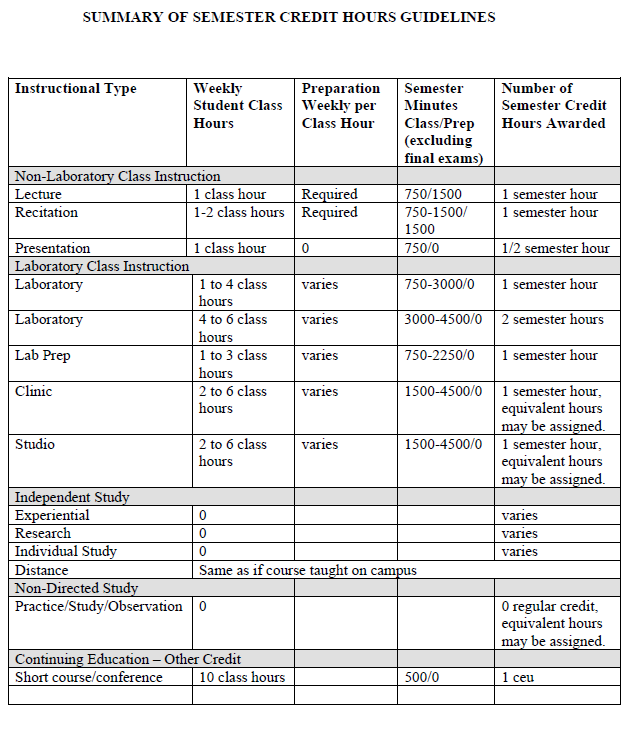
A college credit hour is a measure of the amount of work a student does in a course. Usually, one credit hour equals one hour of classroom instruction and two hours of homework per week. So, if you take a 3-credit course, you spend about 3 hours in class and 6 hours studying each week.
Credit hours are important because:
- They help colleges track progress toward graduation.
- They show how much effort a course requires.
- They’re used for financial aid and transfer decisions.
Most colleges in the United States use semester credit hours. Other systems use quarter credit hours, ECTS credits (Europe), or other formats.
Real Example
If you complete a 3-credit hour course, you usually attend three 1-hour classes per week for 15 weeks. That’s 45 contact hours (3 x 15). For homework and assignments, you spend about 90 hours (6 x 15).
Why Credit Hour Conversion Matters
Credit hour conversion is necessary for many reasons:
- Transferring colleges: If you move from one college to another, your new school may use a different credit system.
- Studying abroad: International universities use their own credit units, like ECTS in Europe or UCTS in Asia.
- Graduate school applications: Programs may require a minimum number of credits in certain subjects.
- Employment: Employers sometimes check if your degree matches their country’s standards.
If you don’t convert credits correctly, you may lose time or money. Some students find out late that their credits don’t count, leading to extra courses or delayed graduation.
Main Types Of Credit Systems
Understanding different credit systems is key before converting. Here are the most common:
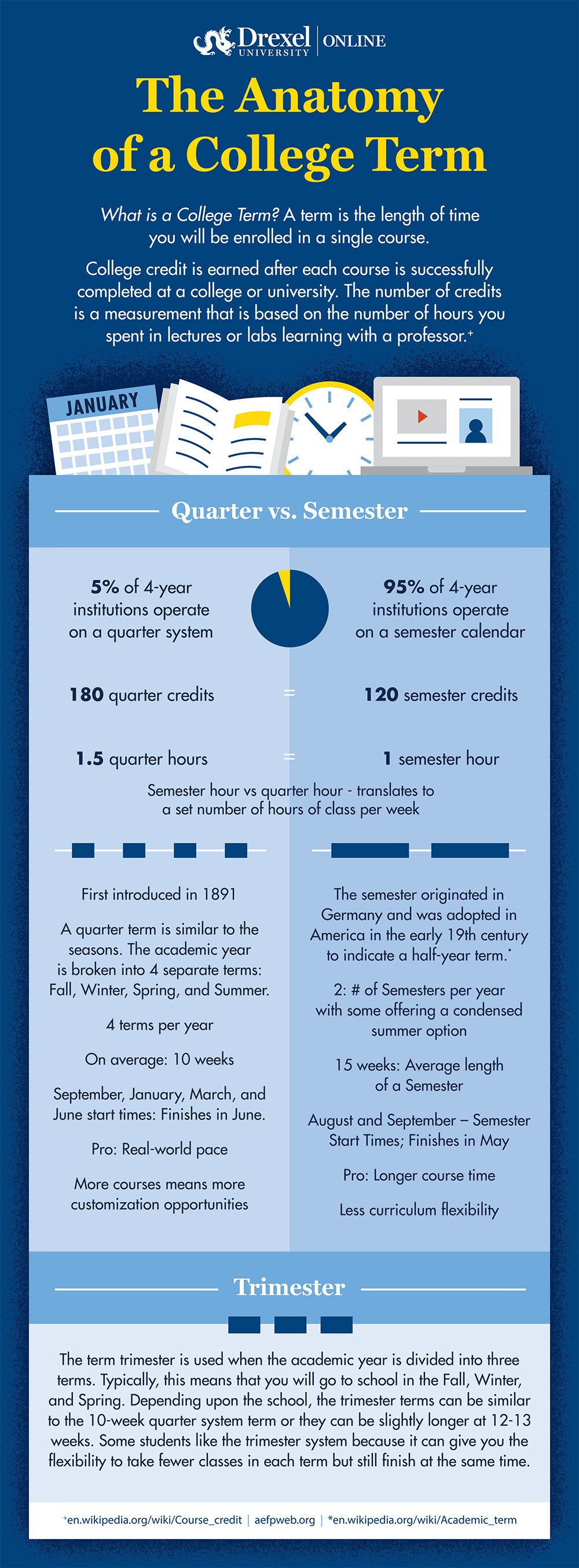
- Semester Credit Hours (SCH): Used by most US colleges. One semester hour = one hour of class per week for a semester (usually 15 weeks).
- Quarter Credit Hours: Used by some US colleges. One quarter hour = one hour of class per week for a quarter (usually 10 weeks).
- European Credit Transfer and Accumulation System (ECTS): Used in Europe. One ECTS credit = 25-30 hours of total student work.
- UK Credit System: Uses CATS credits (Credit Accumulation and Transfer Scheme). One UK credit = 10 hours of work.
- Canadian Credits: Mostly similar to US semester hours, but some provinces use different terms.
- Australian Credits: Often use units, points, or credit hours depending on the university.
- Asian Credits: Systems like UCTS (University Credit Transfer System) are used in some Asian countries.
Each system has its own rules, so conversion is not always straightforward.
How To Convert College Credit Hours
Converting college credit hours depends on the systems involved. Let’s look at common conversions and real examples.
Semester Hours To Quarter Hours
Many US colleges use either semester or quarter hours. If you transfer, you need to convert your credits.
The basic formula:
- 1 semester hour = 1.5 quarter hours
- 1 quarter hour = 0.67 semester hours
Example:
If you have completed 30 semester hours, you get:
30 X 1.5 = 45 Quarter Hours
If you have 45 quarter hours, you get:
45 X 0.67 = 30.15 Semester Hours
Semester Hours To Ects Credits
To convert US semester hours to ECTS credits:
- 1 US semester hour ≈ 2 ECTS credits
- 1 ECTS credit ≈ 0.5 US semester hours
Example:
If you have 24 US semester hours:
24 X 2 = 48 Ects Credits
If you have 60 ECTS credits:
60 X 0.5 = 30 Us Semester Hours
Quarter Hours To Ects Credits
First, convert quarter hours to semester hours:
- Quarter hours x 0.67 = Semester hours
Then, semester hours to ECTS:
- Semester hours x 2 = ECTS credits
Example:
If you have 45 quarter hours:
45 X 0.67 = 30.15 Semester Hours
30.15 X 2 = 60.3 Ects Credits
Uk Credits To Us Semester Hours
- 1 UK credit = 0.25 US semester hours
- 1 US semester hour = 4 UK credits
Example:
If you have 120 UK credits:
120 X 0.25 = 30 Us Semester Hours
Ects To Uk Credits
- 1 ECTS credit = 2 UK credits
Example:
60 Ects Credits = 120 Uk Credits
Data Table: Credit Conversion Examples
Here’s a table showing common conversions for quick reference:
| Credit System | Conversion Factor | To | Example (30 Credits) |
|---|---|---|---|
| Semester Hours | x 1.5 | Quarter Hours | 45 Quarter Hours |
| Semester Hours | x 2 | ECTS Credits | 60 ECTS Credits |
| UK Credits | x 0.25 | Semester Hours | 7.5 Semester Hours |
| Quarter Hours | x 0.67 | Semester Hours | 20.1 Semester Hours |
Practical Steps For Converting Credit Hours
If you need to convert your credits, follow these steps:
- Identify your current system: Find out if your college uses semester, quarter, ECTS, UK, or another system.
- Determine the target system: Which system does your new college or employer use?
- Use conversion formulas: Apply the correct conversion factor.
- Check official policies: Colleges sometimes have their own rules, so always check with the registrar or admissions office.
- Document your courses: Keep transcripts and syllabi. Some schools want proof of workload or course content.
- Ask for help: If you’re unsure, consult academic advisors or admissions staff.
Common Mistake
Many students only use the formula and ignore college-specific rules. Some schools set a maximum number of transferable credits or require certain grades. Always check the fine print.
How Credits Affect Graduation
To graduate, you must earn a certain number of credits. For example, most US bachelor’s degrees require 120 semester hours. In Europe, bachelor’s degrees need 180 ECTS credits.
If you transfer, converted credits may count differently. Sometimes, elective courses transfer but don’t count toward your major. Always check how your credits apply.
Degree Requirements Table
Here’s a table comparing credit requirements for common degrees:
| Degree Type | US Semester Hours | Quarter Hours | ECTS Credits | UK Credits |
|---|---|---|---|---|
| Bachelor’s Degree | 120 | 180 | 180 | 360 |
| Master’s Degree | 30-60 | 45-90 | 60-120 | 180 |
| Associate Degree | 60 | 90 | 90 | 120 |
Credit: www.online.drexel.edu
Online College Credit Hour Converters
Many students use online tools to convert credits. These tools are helpful but not always accurate, because every college may have unique policies.
How Online Tools Work
You enter your current credits and choose the source and target systems. The tool calculates the converted value using standard formulas.
Popular features:
- Supports semester, quarter, ECTS, UK, Canadian credits.
- Shows conversion formulas.
- Offers printable results.
Warning: Always double-check with your college. Tools give estimates, not guarantees.
Example: Using A Converter
Suppose you have 45 quarter hours and want to convert to ECTS:
- Convert to semester hours: 45 x 0.67 = 30.15 semester hours.
- Convert to ECTS: 30.15 x 2 = 60.3 ECTS credits.
International Credit Conversion
International students face extra challenges with credit conversion. Some countries use unique systems, like Australia’s credit points or India’s marks-based units.
Australian Credit Points
Australian universities use “credit points” or “units. ” One unit is often equivalent to 6 ECTS credits, but this varies.
Example:
If you complete 24 Australian credit points, you may get 24 x 6 = 144 ECTS credits.
Canadian Credits
Most Canadian colleges use semester hours, but some provinces or universities have different systems. Always check with the school.
Asian Credits
Systems like UCTS (University Credit Transfer System) are used in ASEAN countries. Conversion may require matching course content as well as hours.
Data Table: International Conversion Factors
| Country | Credit System | Conversion to US Semester Hours |
|---|---|---|
| Australia | Credit Points | 1 Point ≈ 0.25 Semester Hours |
| Canada | Semester Hours | 1 Canadian Hour = 1 US Semester Hour |
| India | Marks/Units | Varies (Check with School) |
| ASEAN | UCTS | 1 UCTS ≈ 1 ECTS ≈ 0.5 US Semester Hours |
Credit: www.purdue.edu
How Credit Hours Impact Financial Aid
Credit hours affect eligibility for financial aid. In the US, full-time students usually need 12 semester hours per term. If you drop below this, you may lose scholarships or loans.
International students must also maintain a minimum workload for visa purposes. Always check the requirements.
Non-obvious tip: Some schools count converted credits differently for financial aid. For example, 12 quarter hours may not qualify as full-time at a semester school.
Credit Hour Conversion For Transfer Students
Transferring colleges is common, but credit conversion is often confusing.
Key Steps For Transfer
- Contact the admissions office of your new school.
- Request an official transcript from your current school.
- Submit course syllabi if asked.
- Check transfer policies: Some schools have limits, like only accepting courses with grades above C.
- Ask about major requirements: Not all credits count toward your major.
Non-obvious insight: Some colleges let you appeal denied credits. If your course content matches, you can sometimes get approval on review.
Credit: ivypanda.com
Credit Hour Conversion For Graduate School
Graduate schools often require a minimum number of credits in specific subjects. Conversion is important when applying from another country.
Example: A US master’s program may require 30 semester hours. If you studied in Europe, you need 60 ECTS credits.
Some graduate programs want transcripts evaluated by a third party, like World Education Services (WES). These agencies provide official credit conversions.
Common Problems And Solutions
Problem 1: Credits Don’t Match
If your credits don’t convert exactly, you may need to take extra courses. Sometimes, only part of your credits transfer.
Solution: Ask for a course-by-course evaluation. Some colleges can count partial credits.
Problem 2: Courses Not Accepted
Some colleges refuse credits due to differences in content or grading.
Solution: Prepare syllabi and course descriptions. Ask about appeal processes.
Problem 3: Credit Loss On Transfer
Many students lose credits when transferring, especially between semester and quarter systems.
Solution: Plan ahead. Transfer early in your college career, when fewer credits are at risk.
Problem 4: Financial Aid Impact
Converted credits may affect your full-time status.
Solution: Confirm with the financial aid office before registering.
Special Cases: Ap, Ib, And Dual Enrollment Credits
High school students often earn college credits through AP (Advanced Placement), IB (International Baccalaureate), or dual enrollment.
- AP credits: Usually count as semester hours, but schools vary.
- IB credits: Often converted to semester hours or ECTS.
- Dual enrollment: Credits depend on the college’s system.
Always check with your college before assuming credits will transfer.
How To Maximize Your Credits
- Plan your courses wisely: Choose classes that fit your degree requirements.
- Keep detailed records: Save syllabi, assignments, and transcripts.
- Consult advisors: They can help you avoid mistakes.
- Apply early: Some colleges take longer to process transfers.
- Know your limits: Some schools cap the number of transferred credits.
Extra tip: Some colleges offer “credit by exam” or “prior learning assessment.” You may earn credits for work experience, certifications, or exams.
Non-obvious Insights About Credit Hour Conversion
- Credit values can change over time. Colleges sometimes update their conversion rules, so always check the latest policies.
- Some courses have “lab” or “studio” hours. These may count as extra credit hours. For example, a science class with a lab may be worth 4 credits, not 3.
- Accreditation matters. Credits from non-accredited schools may not transfer, even if conversion formulas match.
Real-world Example Scenarios
Scenario 1: Us Student Transferring To European University
Maria completed 60 US semester hours. She wants to study in Germany.
- Convert to ECTS: 60 x 2 = 120 ECTS credits.
- Check degree requirements: German bachelor’s degrees need 180 ECTS credits.
- Maria needs 60 more ECTS credits.
Scenario 2: Quarter System Transfer
John studied at a college with quarter hours and wants to move to a semester-based school.
- He has 90 quarter hours.
- Convert to semester hours: 90 x 0.67 = 60.3 semester hours.
- His new school requires 120 semester hours for graduation.
Scenario 3: Graduate School Application
Priya studied in India, where her degree used marks. She applies to a US master’s program.
- She uses an official evaluation agency.
- The agency converts her coursework to US semester hours.
- Priya meets the 30-hour requirement.
Using College Credit Hour Converter Tools
If you want to use an online converter, try official university resources or trusted agencies. For example, the World Education Services (WES) site provides detailed guides and tools for credit evaluation.
You can find useful resources here:
world Education Services
Comparison Of Credit Hour Converter Tools
Here’s a comparison of three popular online converters:
| Tool Name | Credit Systems Supported | Accuracy | Extra Features |
|---|---|---|---|
| WES Credit Converter | US, ECTS, UK, Canada | High (official) | Degree evaluation, transcript review |
| CollegeTransfer.net | US (semester, quarter) | Medium | Transfer guides, course equivalency |
| StudyPortals Credit Converter | US, ECTS, UK | Medium | International study advice |
Tips For Accurate Credit Hour Conversion
- Always confirm conversion factors with your school.
- Use official evaluation agencies for international credits.
- Check degree requirements carefully—some credits may not count for your major.
- Keep all documents, including syllabi and course descriptions.
- Ask about appeals if credits are denied.
Frequently Asked Questions
What Is A College Credit Hour?
A college credit hour is a unit that measures how much time you spend in class and studying for a course. Usually, one credit hour means one hour of classroom instruction per week plus about two hours of homework.
How Do I Convert Semester Hours To Quarter Hours?
To convert semester hours to quarter hours, multiply by 1. 5. For example, 20 semester hours become 30 quarter hours (20 x 1. 5).
Can I Use Online Credit Hour Converters?
Yes, you can use online tools, but always double-check with your college. Tools give estimates, not guarantees. Every school may have its own rules.
Will All My Credits Transfer To A New College?
Not always. Some colleges accept only certain courses, grades, or credit types. Always check transfer policies and ask about appeals.
What Happens If My Credits Don’t Match The New System?
If your credits don’t match, you may need to take extra courses. Sometimes, partial credits transfer. Always consult advisors and keep detailed records.
—
Understanding college credit hour conversion can save you time, money, and stress. With the right formulas, tools, and advice, you can make smart decisions about your education. Remember, always check with your college, keep good records, and use official resources.
Whether you’re transferring, studying abroad, or planning for graduate school, knowing how to convert credit hours is a skill that pays off.