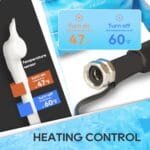
The Camco 25FT Heated RV Water Hose excels for reliability, safety, and value.
You wake up to a hard freeze at the campground. Your faucet is an icicle. The hose is stiff and silent. No water for coffee. No flushing. I’ve been there, shivering in slippers, trying to thaw a cheap line with a hair dryer. A high-quality heated drinking-water hose ends that pain. It keeps fresh water flowing when temps plunge. If you plan to camp in late fall, winter, or early spring, this gear is not a luxury. It is peace of mind. In this guide, I break down the best heated water hose for RV life now, so you can sip hot cocoa while the hose does the hard work.
RVGUARD 25FT Heated Water Hose (-20°F)

The RVGUARD 25FT Heated Water Hose is a strong winter pick for light to moderate cold. It is rated for freeze protection down to -20°F. It uses an energy-saving thermostat to cycle heat as needed. It is lead-free and BPA-free for safe drinking water at the campsite.
I like the balance of size and power. Twenty-five feet fits most park pedestals without bulky slack. The jacket feels durable and resists scuffs when dragged over gravel. Brass fittings thread on cleanly. It is a tidy, set-and-forget hose for many winter RVers.
Pros:
- Rated to -20°F, great for many winter trips
- Lead-free and BPA-free for safe drinking water
- Energy-saving thermostat lowers power use
- 25FT length is easy to manage and store
- Solid brass ends reduce leaks and cross-threading
- Outer jacket helps protect the heating cable
- Good value for mild to mid-level freezes
Cons:
- May not be enough for deep cold beyond -20°F
- No lighted plug on some runs to confirm power
- Stiffer than a summer hose when temps dip
My Recommendation
If you camp in shoulder seasons or in moderate winters, this hose works well. It keeps water safe and flowing without fuss. It is not the best heated water hose for RV life in extreme arctic snaps. But it shines in the real-world 10°F to 25°F range at most parks.
Choose RVGUARD if you want an easy, 25-foot, budget-friendly line that still protects your water. It pairs well with a simple faucet cover and a GFCI outlet. Stock a short foam sleeve for the spigot, and you are set. It is a smart, simple upgrade for cold nights.
| Best for | Why |
|---|---|
| Moderate winter camping | -20°F rating covers common cold snaps |
| Smaller sites | 25FT is easy to route and store |
| Budget-conscious buyers | Good performance for the price |
30FT/15FT Heated RV Hose (-45°F)

This heated water hose line offers both 15FT and 30FT sizes with a bold -45°F spec. That is a serious rating for deep cold. If you park at high elevation or far north, this helps. The build features an integrated heating cable and a rugged outer jacket.
The longer 30FT option covers awkward pedestals and farm spigots. The 15FT reduces slack and power use if the post is close. The thermostat limits constant draw. It kicks heat on only when needed. That saves watts when the sun is up or temps rise.
Pros:
- Rated to -45°F for harsh cold climates
- Two lengths (15FT/30FT) to match your site
- Thermostat control reduces wasted power
- Heavy jacket resists abrasion on gravel
- Good fit for farm, garden, coop, and RV use
- Helps stop freeze-ups at exposed spigots
- Useful for boondocking near powered posts
Cons:
- May cost more than mild-weather hoses
- Thicker profile can be stiff in the cold
- Generic branding can vary in small details
My Recommendation
Pick this model if you face real winter. Think single digits or wind chills that bite. It suits full-timers who ride out storms and need reliable flow. For many, this could be the best heated water hose for RV winters in serious cold.
If your site is compact, the 15FT is tidy and efficient. If you often stretch to reach the post, get the 30FT. Add an insulated faucet cover to protect the last inches of metal. Use a pressure regulator rated for cold weather to prevent burst fittings.
| Best for | Why |
|---|---|
| Extreme cold | -45°F rating gives deep freeze security |
| Full-time RVers | Durable jacket stands up to daily use |
| Odd site layouts | Two lengths solve reach and storage |
Camco 25FT Heated RV Water Hose (-20°F)

The Camco 25FT Heated Water Hose is a category staple. It protects down to -20°F with an energy-saving thermostat. It includes an adapter so you can connect the power end at either side. That makes routing neat in cramped sites.
Camco markets its hoses as lead-free, BPA-free, and phthalate-free. That matters for taste and safety. I have used Camco drinking-water hoses for years. They hold up, and fittings thread smoothly with fewer drips. This heated model follows that same DNA.
Pros:
- Trusted brand with wide availability
- Adapter allows end-to-end connection flexibility
- Lead-free, BPA-free, phthalate-free for safe water
- Thermostat helps cut power draw
- 25FT is the sweet spot for most parks
- Good balance of price and dependability
- Often in stock for fast replacements
Cons:
- -20°F rating may not be enough in arctic blasts
- Stiffer feel below 10°F, like most heated hoses
- Power cord length can limit ideal routing
My Recommendation
If you want proven performance, this is hard to beat. It is likely the best heated water hose for RV owners who want a safe, reliable, and easy-to-find solution. It covers cold nights across much of the country. It is a steady daily driver for winter camp life.
You can pair it with a foam spigot cover and a short insulation sleeve on the RV bib. Keep a spare rubber washer in your toolkit to prevent drips. For most people, this Camco becomes a set-and-forget fix for freeze stress.
| Best for | Why |
|---|---|
| Everyday winter use | Reliable brand and solid -20°F protection |
| Travelers on the move | Adapter makes hookups flexible at odd sites |
| Safety-minded buyers | Lead/BPA/phthalate-free water path |
30FT Heated RV Hose, Lead/BPA-Free (-45°F)

This 30FT heated water hose is built for serious winter travel. It claims antifreeze protection to -45°F. That gives you breathing room when the mercury dives. The inner layer is marketed as lead-free and BPA-free to keep water safe to drink.
The jacket is tougher than a summer hose, which is normal. It will feel stiff in deep cold. The length helps with reach at older parks or farm taps. Use a pressure regulator and a quick-connect to save wear on the brass ends.
Pros:
- -45°F rating for extreme cold conditions
- Lead- and BPA-free for safer drinking water
- 30FT reach solves odd pedestal locations
- Thermostat-managed heat for energy savings
- Durable outer jacket for rough ground
- Good for RV, livestock, and light farm use
- Clear upgrade path from a -20°F hose
Cons:
- Longer hose takes more storage space
- Heavier and less flexible in bitter cold
- Generic accessories may vary across batches
My Recommendation
Choose this if your winter is not gentle. I see it as a great pick for full-timers who stay put through storms. It may be the best heated water hose for RV owners parked in mountain towns or prairie wind zones. Safety and flow beat frozen fittings every time.
Use a foam cover on both faucet and RV bib. Lay the hose with no tight coils. Avoid kinks that slow flow and create icy spots. If your breaker has GFCI, use it. Heated hoses should always run on a grounded, protected circuit.
| Best for | Why |
|---|---|
| Deep winter camping | -45°F rating for peace of mind |
| Long runs to the spigot | 30FT covers tricky layouts |
| Health-conscious users | Lead/BPA-free construction for safe taste |
50FT Heavy-Duty Heated RV Hose (-40°F)

The 50FT Heavy-Duty Heated Hose is for long reaches and big sites. It is rated to -40°F. That is close to expedition level. The extra length helps when the park pedestal is far away or behind a fence.
This hose uses a 1/2″ inner diameter, which is common for RVs. Expect some stiffness at very low temps, which is normal for heavy jackets. The construction looks tough for farm, garden, or coop duty too. If you split this run with quick-connects, watch for drip points.
Pros:
- Long 50FT reach for tricky hookups
- -40°F rating for harsh cold climates
- Heavy-duty jacket for rough ground
- 1/2″ ID fits common RV plumbing parts
- Great for farms, barns, and coops in winter
- Thermostat-based heat to save power
- Helps avoid frozen hydrants when combined with covers
Cons:
- Bulky to store in small RV bays
- Higher power draw than shorter lines
- More fittings mean more potential leak points
My Recommendation
Go 50FT if your site layout demands it. This can be the best heated water hose for RV setups at older parks with odd post placement. It is also great for homestead chores when you want one hose for many jobs. Just mind storage space and hose routing.
If you only need 20FT most days, a 50FT line can be overkill. But if you have been fighting reach all season, this solves it. Add a foam faucet cover and keep a spare washer. Stay ahead of drips and you stay ahead of ice.
| Best for | Why |
|---|---|
| Long-distance hookups | 50FT reach covers distant pedestals |
| Severe winters | -40°F protection in deep cold |
| Farm and RV dual use | Heavy-duty jacket handles rough work |
How to choose the best heated water hose for RV
Picking the best heated water hose for RV use is simple when you focus on a few key points. You want safe water, reliable heat, and the right length. Think about your climate, your site, and your storage space. Match the hose to your coldest nights, not your mild ones.
Freeze rating matters
Check the freeze spec. Common ratings are -20°F, -40°F, or -45°F. Pick a hose that beats your local lows by at least 10°F. That buffer covers wind, shade, and metal fittings that get colder than air. If you boondock near high ridges, go higher.
Safety of drinking water
Look for lead-free and BPA-free claims. Your hose touches every glass you drink. The best heated water hose for RV living keeps taste clean and safe. Many top hoses also avoid phthalates. That is a plus for your family and pets.
Thermostat and power use
A good thermostat saves watts. It turns the heat on only when needed. That matters on 30-amp service in winter. Every watt helps when the space heater and water heater are running too.
Length and storage
Match the length to your site. Too short is a headache. Too long adds cost, storage bulk, and power draw. A 25FT hose fits most parks. Go 30FT or 50FT if posts sit far away or around obstacles.
Build quality and fittings
Brass ends grip better and last longer. A thick jacket defends the heating cable. Tight strain relief helps where the hose meets the fitting. These details matter when you tug the line at 5°F in gloves.
Setup tips for steady winter water
A good hose is step one. Setup is step two. The best heated water hose for RV comfort still needs smart routing and protection. A few minutes at hookup saves hours of stress later.
Use a GFCI-protected outlet
Always power the hose from a grounded, GFCI circuit. Safety first. Run the cord so it cannot sit in standing water. Avoid pinches under the bay door.
Protect the metal ends
The coldest part of your system is bare metal. Cover the spigot with an insulated faucet cover. Wrap the RV bib with a short foam sleeve or a small jacket. These cheap add-ons pay off.
Keep the hose straight
Run the line with gentle curves. Avoid tight loops or kinks that slow flow. Slow spots can freeze first. Lay it on blocks if the ground puddles when snow melts.
Pressure and filtration
Use a pressure regulator suited for cold temps. Aim for 40–50 PSI for many RVs, unless your rig says otherwise. Place your sediment filter in a spot where it stays dry and protected.
Care and maintenance
Treat your heated hose like a tool. It will treat you well in return. The best heated water hose for RV life can last many winters if you do the basics. It is easy stuff and costs almost nothing.
Inspect before each trip
Check the jacket for cuts. Check fittings for cracks. Make sure the cord and plug look clean and dry. Replace worn washers to stop slow drips.
Clean taste, clean line
Flush the hose before first use. A quick run clears storage taste. Sanitize your RV water system on schedule. A clean system tastes better and keeps slime away.
Smart storage
Do not coil tight in the cold. Warm the hose first if you can. Avoid sharp bends near the ends. Store it dry and out of direct sun in summer.
Troubleshooting common winter issues
Even the best heated water hose for RV setups can hit a snag. Most problems are simple. Here are quick checks when water stops or taste turns off.
No flow on a cold morning
- Check power at the outlet and cord connection
- Confirm the thermostat switched on (some have an indicator)
- Feel for a very cold, stiff spot that could be a kink
- Inspect the spigot and RV bib for ice; add covers
Drip at the fitting
- Replace the washer and rethread gently
- Add a quarter turn only after snug
- Check for cross-threading or a bent regulator
Off taste
- Flush for a few minutes
- Check your filter and replace if due
- Sanitize the RV tank and lines on a schedule
Power use and efficiency
Heated hoses do not run full blast all the time. A thermostat cycles power. That saves watts. It helps when you run space heaters and a microwave in winter.
Shorter hoses use less total power than longer ones. If you can use 25FT, do it. If you need 50FT, budget the watts. The best heated water hose for RV needs meets your length and your breaker limits.
Safety notes for winter hookups
Water and electricity demand care. Use a grounded, outdoor-rated extension cord if you must extend the hose cord. Keep all plugs off the ground. Do not connect a heated hose to hot water. Most are made for cold water lines only.
Do not bury a heated hose under heavy snow where it can be crushed by ice. Keep it visible and easy to check. If you find damage, replace the hose. Do not tape over cuts in the heating jacket.
Real-world tips from the road
I have camped in single digits. I have thawed more hoses than I want to admit. Here are the habits that stuck. They make a bigger difference than fancy gear.
- Thread by hand first, then wrench gently. Avoid cross-threads.
- Use quick-connects with metal bodies in winter. They seal well.
- Carry two foam faucet covers. One often “disappears.”
- Drain and cap the hose before moving sites to prevent slush inside.
- Label the power cord so you do not unplug the wrong item at night.
Who should buy which hose?
The best heated water hose for RV needs depends on climate and layout. Here is a quick map. If your lows are around 10–25°F, a -20°F hose like RVGUARD or Camco works well. If your lows hit single digits or worse for days, go -40°F or -45°F. If your pedestal is far, step up in length before you stack adapters.
When in doubt, choose the next stronger rating. It is cheaper than a burst fitting or a frozen night. The price gap often looks small compared to your peace of mind in January.
FAQs Of best heated water hose for rv
Can I leave a heated RV water hose on all winter?
Yes. The thermostat cycles heat as needed. Use a GFCI outlet. Check fittings often. Add faucet covers to protect the metal ends.
Is a heated hose safe for drinking water?
Look for lead-free and BPA-free claims. Brands like Camco market safe drinking-water materials. Flush before use for the best taste.
What length is best for most RV parks?
25FT works at most sites. Go 30FT or 50FT if posts sit far away or behind obstacles. Shorter saves storage space and power.
Do I still need a faucet cover?
Yes. Heated hoses protect the line, but metal ends get cold fast. A simple cover on the spigot prevents ice and helps the hose do its job.
Will a heated hose keep my RV pipes from freezing?
No. It protects the hose run. You still need heat inside the RV. Open cabinet doors near pipes and use tank heaters in deep cold.
Final Verdict: Which Should You Buy?
For most campers, the Camco 25FT Heated Water Hose is the best heated water hose for RV comfort, safety, and value. It is reliable, easy to route, and safe for drinking water.
If you face harsher winters or long reaches, step up to a -40°F or -45°F model in 30FT or 50FT. Match the hose to your lowest temps and site layout, and you will enjoy steady water all season.