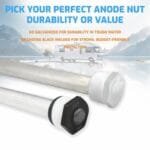
This two-pack of magnesium anode rods is made for Suburban RV water heaters. The size is 9.25″ x 3/4″ NPT, which fits common Suburban tanks. Magnesium gives fast, strong protection during seasonal camping or full-time travel. A two-year warranty adds a nice layer of trust.
RVs see tough water shifts from campground to campground. Magnesium handles that well, but watch for smell on sulfur-heavy wells. This kit is cost-friendly and simple to install with a common socket. If you own an Atwood/Dometic aluminum tank, skip anodes, as they are not designed for them.
| Best for | Why |
|---|
| Suburban RV water heaters | Exact size and thread match |
| Seasonal maintenance | Easy to replace; 2-pack value |
| Travel with mixed water sources | Strong magnesium protection across conditions |
How I Choose the Best Anode Rod for Water Heater Tanks
Not all homes have the same water. That is why a single “best” pick can miss the mark. I weigh a few things to match you with the right rod. This simple list will save you time and guesswork.
- Water smell: Do you smell sulfur when hot? If yes, choose zinc-aluminum or powered.
- Water hardness: Very hard water can beat up sacrificial rods. Powered anodes stay steady.
- Clearance: Tight space above the tank? Choose a flexible rod or powered unit with a slim profile.
- Budget vs. lifespan: Magnesium is cheaper but needs replacing. Powered costs more but lasts.
- Tank brand: Bradford White can need a special kit. RV tanks differ by brand too.
When I test or review, I also look at ease of install. Many DIYers want a kit that includes the right socket. I also check warranty length, user reports, and odor relief times. By blending these points, I narrow down the best anode rod for water heater protection in real homes.
Magnesium vs. Aluminum-Zinc vs. Powered: Quick Guide
Here is a short, clear way to pick your type. Keep it simple and match your water and home. You will get better hot water and a longer tank.
- Magnesium: Best corrosion defense in clean or city water. Can trigger odor in sulfur-prone wells.
- Aluminum-Zinc: Good corrosion control. Better at calming odor than magnesium. More residue than magnesium.
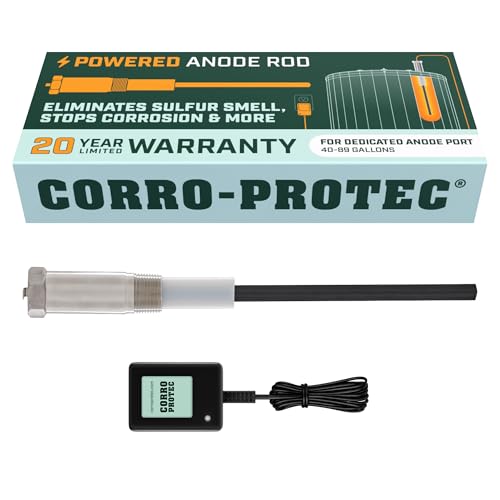
- Powered (Titanium): Top pick for odor and hard water. Non-sacrificial and low maintenance. Needs power.
If you still feel stuck, think of it like this. If you have smell, go powered or zinc blend. If you want max protection on a budget and no smell, go magnesium. This way, you get the best anode rod for water heater life and water quality, not just a random pick.
Installation Tips from the Field
I have learned a few tricks over many installs. They save time and prevent leaks. They also make the job less stressful.
- Power and gas off: For electric, flip the breaker. For gas, set to pilot or off. Let water cool if needed.
- Water off and pressure relief: Close the cold valve. Open a hot tap and the tank’s relief valve to vent pressure.
- Drain a few gallons: A short drain lowers the water line and reduces splashing.
- Use the right socket: Most rods use a 1-1/16″ or 27mm head. A breaker bar helps crack it loose.
- Teflon tape or pipe dope: Wrap the threads for a snug, leak-free fit.
- Do not over-torque: Snug plus a bit is fine. You are sealing threads, not pressing a head gasket.
- Check for leaks: Refill, power back on, and inspect around the anode port.
Manufacturers like AO Smith and Rheem advise you to inspect rods every 2–3 years. Replace when the rod is 50–75% consumed. Powered rods need a simple power check and visual once a year. Follow these steps and you get the best anode rod for water heater results every time.
Signs You Need a New Anode Rod
Your tank will tell you when it needs help. Catching these signs early saves money and avoids leaks. Here is what I look for first.
- Sulfur or rotten-egg smell when hot water runs
- Hot water has a metallic taste or cloudy look
- Water heater noise, like popping or crackling
- Frequent pilot issues due to sediment heat pockets
- Visible rust in drained water from the tank
Smell is a big red flag. If it is only on the hot side, your anode is often the cause. In that case, the best anode rod for water heater odor relief is a powered titanium or a zinc blend rod. If rust or yellow water shows up, act now before the tank wall fails.
Compatibility Notes You Should Know
Most homes have tanks from brands like Rheem, AO Smith, Richmond, GE, or Kenmore. These use a standard anode port with 3/4″ NPT threads. Many of the rods above will fit them. But some cases need special attention.
- Bradford White: Often uses a combined hot outlet/anode or needs an adapter. Check your manual and choose a kit made for it.
- RVs: Suburban uses steel tanks that need an anode. Atwood/Dometic aluminum tanks usually do not use anodes.
- Electric vs. Gas: Both use anodes, but clearances and top layout vary. Flexible rods help in tight spaces.
- Tank size: Powered anodes may list size ranges. Match the range for steady protection.
When in doubt, read the label on your tank or look up the model number. Two minutes of checking avoids hours of hassle. It also ensures you buy the best anode rod for water heater fit the first time.
Maintenance Plan: Keep It Simple
A short plan helps you forget less and protect more. I use this simple checklist. It works for most homes and most rods.
- Every 12 months: Inspect the rod. If 50% used, plan a swap.
- Every 12 months: Drain a few gallons to flush sediment.
- Every 24–36 months: Replace magnesium or aluminum-zinc rods if heavily consumed.
- Every 12 months (powered): Confirm the control box light is on and cable secure.
- Any time: If odor comes back, reassess water and rod type.
Stick to this and your tank will thank you. The best anode rod for water heater protection still needs checks. A few quick looks each year pay off in a longer, safer life for your tank.
Real-World Scenarios and Picks
Let me match common home issues to clear picks. This way, you know where to start. You can swap types if your water changes later.
- Rotten-egg smell from hot water only: Choose a powered titanium rod or an aluminum-zinc blend.
- No smell, city water: Choose a magnesium rod for top corrosion defense.
- Hard well water and odor: Powered titanium rod. It gives steady, balanced protection.
- Low ceiling in a basement: Flexible magnesium or flexible aluminum-zinc.
- RV with Suburban tank: RV magnesium anode; buy a 2-pack to keep a spare.
I focus on results you can feel and see. Odor gone, rust less likely, and less scale. That is how I judge the best anode rod for water heater owners with busy lives.
FAQs Of best anode rod for water heater
How often should I replace my anode rod?
Check it every 12 months. Replace when it is 50–75% used. Powered anodes often last many years with simple checks.
Which rod stops the rotten-egg smell the fastest?
A powered titanium anode is the fastest fix. An aluminum-zinc blend helps too if you prefer a sacrificial rod.
Will a magnesium rod make my water smell worse?
It can in sulfur-prone wells. If odor appears, switch to aluminum-zinc or a powered anode.
Do powered anode rods need a lot of electricity?
No. They draw very little power, similar to a small night light. The cost to run is tiny.
Can I install an anode rod myself?
Yes, if you are handy. Use the right socket, shut off power and water, and follow your manual. When unsure, hire a pro.
Final Verdict: Which Should You Buy?
If odor is your issue, a powered titanium rod like Corro-Protec is the best anode rod for water heater smell control and long-term protection. If you want budget defense on clean city water, pick the flexible magnesium option.
For odor-prone wells without power access, the aluminum-zinc flexible rod is a smart fix. RV owners with Suburban tanks should grab the RV 2-pack for hassle-free trips.