The best air purifier for sewer smell uses heavy activated carbon, not only HEPA.
You catch that sharp “rotten egg” scent near the bathroom or basement after a rain, and your stomach drops. That odor is stressful and hard to ignore. While you track down the root cause, you still need the air to be safe and livable. The right purifier can help cut the odor fast. Not every filter works on sewer gases, though. You want strong odor control with activated carbon. HEPA alone won’t trap gases like hydrogen sulfide and mercaptans. I’ll walk you through smart picks and simple steps so you can breathe easier today, and still fix the source tomorrow.

AROEVE Air Purifiers for Bedroom…
Impressive Particle Filtration: AROEVE air purifier utilizes filter that can filter out particles such as smoke, pollen, dander, hair, and more, potentially improving air quality and promoting better health and…

Air Ionizers for Home (3…
✨JOSTART air ionizers for home is small, lightweight, quiet and distraction free, plug and play free from installation hassles. ✨ JOSTART plug in air purifier a large number of negative…

Germ Guardian GG1100W 7” Pluggable…
PLUGGABLE AIR SANITIZER – Provides cleaner air and helps reduce airborne germs and reduce household odors caused by bacteria, pets, and cooking fumes COMPACT DESIGN – This 7-inch wall-pluggable sanitizer…
AROEVE MK01 Air Purifier (Black)
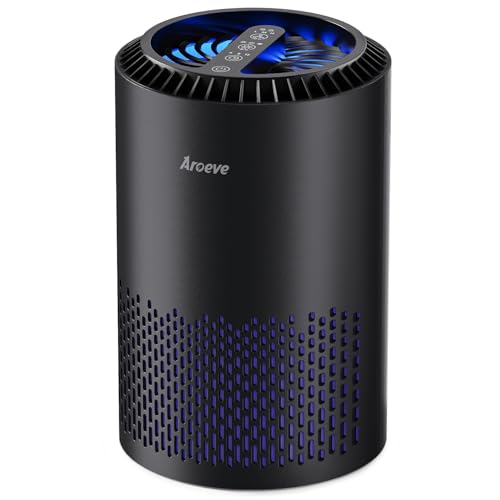
This compact AROEVE MK01 balances strong particle filtering with a carbon layer for odor control. It uses an H13 HEPA filter, which helps with dust, smoke, and pet dander. The unit is small and easy to place in a bathroom or laundry room. Sleep mode keeps noise very low, so you can run it overnight without a buzz.
For sewer smell, the carbon piece is the key. It absorbs odor molecules that HEPA cannot trap. The carbon bed is a thin sheet in most compact units, so it shines with light to moderate smells. I get the best results when I close the door, place it near the source, and run it on high for a few hours.
Pros:
- H13 HEPA captures fine dust, smoke, and allergens
- Activated carbon layer helps reduce bathroom and drain odors
- Sleep mode is quiet for nighttime use
- Compact design fits on a shelf or countertop
- CARB-compliant version safe for California use
- Simple controls with easy filter changes
Cons:
- Carbon layer is thin for severe sewer gas
- Not ideal for large basements or open floor plans
- No VOC/odor sensor or auto mode
My Recommendation
If you need a quick, safe, and quiet helper for a small room, this is a smart pick. It is the best air purifier for sewer smell in a half bath or small laundry when you need fast relief. The HEPA helps general air quality, and the carbon softens that sharp odor. Keep replacement filters on hand and swap them sooner if the smell was strong.
Use it when you rent and cannot fix plumbing at once. It is also a good match when you prefer ozone-free solutions. For tough odors or bigger rooms, consider pairing it with stronger ventilation and sealing the drain trap. In daily life, this unit gives good value and simple peace of mind.
| Best for | Why |
|---|---|
| Small bathrooms or laundry rooms | Compact size with carbon for light sewer odors |
| Overnight use | Very quiet sleep mode and steady airflow |
| Renters and quick fixes | Ozone-free, easy to move, simple to maintain |
3-Pack plug-in air ionizers
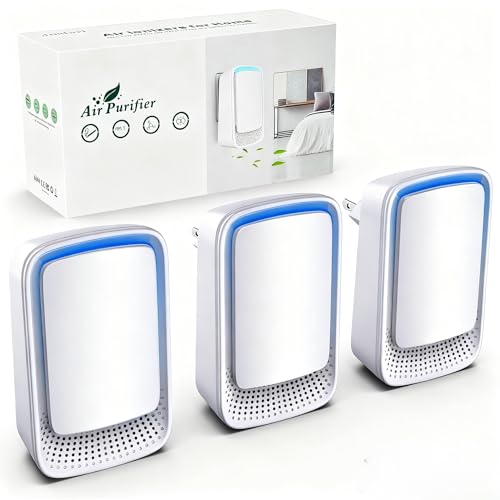
These plug-in ionizers are tiny, silent, and easy to place around a home. They release negative ions that bind to particles so they drop out of the air. There are no filters to replace, which keeps costs low. The 3-pack lets you spread them across a hall, kitchen, and bathroom for broad coverage.
For sewer smell, ionizers are not a primary fix. Sewer odors come from gases, and ions do not trap gases. That said, these can help reduce other smells and freshen the overall space. I use them as a booster near high-traffic spots, while a carbon-equipped purifier handles the drain odor.
Pros:
- Very compact and silent
- Three units cover several rooms
- Low power draw and no filter changes
- Simple plug-and-play setup
- Helps reduce general stale air feel
Cons:
- Does not remove sewer gases like hydrogen sulfide
- Ionizers can emit trace ozone; not ideal for sensitive lungs
- No fan or CADR, so odor removal is limited
My Recommendation
If you want a hands-off way to freshen background air, these work well. I would not call them the best air purifier for sewer smell by themselves, but they pair well with a carbon filter unit. Place one in a hall outside the bathroom and one near the laundry. Leave a third in the kitchen for cooking smells.
Keep rooms ventilated, and avoid using ionizers if anyone is very ozone-sensitive. If sewer odors return often, focus on fixing the trap seal and boosting airflow. For a low-cost add-on, this 3-pack is flexible and easy to live with.
| Best for | Why |
|---|---|
| General background freshness | Silent operation and no filters to change |
| Hallways and entryways | Small size that fits any free outlet |
| Budget-friendly add-on | Three units cover more space at low cost |
Germ Guardian GG1100W Pluggable UV Air Sanitizer
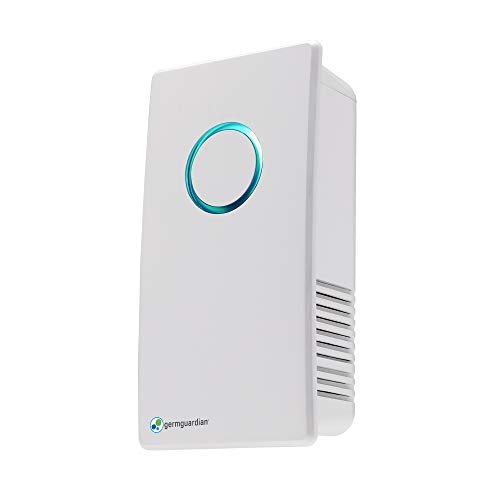
This pluggable UV-C unit helps sanitize the air in small spaces. It uses ultraviolet light to inactivate airborne germs as they pass the lamp. There are no filters to replace, which keeps upkeep simple. It works best in tight rooms where air circulates near the device, like bathrooms or mudrooms.
For sewer smell, this tool shines when bacteria cause a musty or foul scent near drains. UV light does not capture gases, so it will not remove hydrogen sulfide. Still, I have seen it help reduce “wet towel” and microbial odors that linger. The bulb needs periodic replacement to keep performance steady.
Pros:
- Targets airborne germs in small rooms
- Plugs directly into a wall outlet
- No messy filters to buy or track
- Low-profile design for tight spaces
- Helpful against bathroom microbial odors
Cons:
- Does not adsorb sewer gases
- Small coverage with no fan-driven CADR
- Bulb requires periodic replacement
My Recommendation
Use this as a set-and-forget sanitizer in a bathroom with recurring microbe smells. It is not the best air purifier for sewer smell if the issue is pure gas. But it pairs well with an odor filter or drain cleaning. I like it for kids’ bathrooms and guest half baths where space is tight.
Place it near the sink or toilet so air near the source passes by it more often. Run it during humid days when smells come back. If your main goal is odor control, combine it with a carbon filter unit for better results.
| Best for | Why |
|---|---|
| Microbial bathroom odors | UV-C targets germs that cause musty scents |
| Very small rooms | Plug-in size fits where floor units do not |
| Low-maintenance users | No filters; only occasional bulb swap |
LabCharge Small ionic HEPA purifiers (2-Pack)

This 2-pack offers HEPA filtration in a very compact frame. Each unit is rated up to about 250 square feet, which suits bedrooms or offices. The “ionic” note suggests a light ion feature to help settle particles. The design is simple and quiet, so it will not disrupt sleep or work.
For sewer smell, check the filter setup. Many small HEPA units include a thin carbon sheet for odors, which helps mild cases. With two units, you can double up in one room or cover two spaces. I like placing one near the source and the other in the hall to stop odor spread.
Pros:
- HEPA filtration improves everyday air quality
- Two-pack boosts coverage and flexibility
- Quiet enough for bedrooms and nurseries
- Compact and easy to move
- Helps reduce lighter odors if a carbon layer is included
Cons:
- Carbon media, if present, is likely thin
- 250 sq ft claim may be at low air changes per hour
- Ion mode may not suit very ozone-sensitive users
My Recommendation
If you want small, quiet purifiers for two rooms, this set fits the bill. For the best air purifier for sewer smell effect, place both where the odor is strongest for a quick hit. Then move one to the hallway to protect the rest of the home. Keep doors closed while they run on a higher speed for faster results.
This set is a sensible buy for renters and small home offices. It brings better air daily and gives some odor relief during plumbing fixes. If the smell is heavy, consider adding an odor canister or seeking a model with more carbon weight.
| Best for | Why |
|---|---|
| Bedrooms and offices | Quiet and compact with steady filtration |
| Two-room coverage | 2-pack flexibility for multi-space use |
| Light odor reduction | Carbon sheet, if included, helps minor smells |
PVACG 4-Pack mini plug-in ionizers

This 4-pack gives you coverage in more rooms at once. Each unit plugs in and runs quietly with very low power use. Ion output helps settle airborne dust and freshen the feel in small spaces. They are tiny and travel-friendly, so you can move them as needs change.
As with any ionizer, these do not capture gases like sewer odors. I use kits like this to keep entryways, closets, and pet areas from getting stale. For a sewer smell, pair them with an odor-adsorbing purifier in the problem room. That combo helps reduce spread while you fix the source.
Pros:
- Four units cover many rooms at once
- Silent and low power draw
- No filters to replace
- Easy plug-in setup and small size
- Helps with general stale air and light odors
Cons:
- Not effective on sewer gases
- May emit trace ozone, which some users avoid
- No active airflow to pull odors through media
My Recommendation
Choose this 4-pack if you want set-it-and-forget-it freshness across many small areas. I would not call these the best air purifier for sewer smell alone. But they reduce the overall “stale” feel while a carbon filter unit attacks the source room. Keep rooms aired out during use.
Use them in bedrooms, closets, and hallways to prevent odor travel. If sewer odors return often, check traps and vent stacks with a pro. For low effort and large coverage, this pack is a practical add-on.
| Best for | Why |
|---|---|
| Multiple small rooms | Four units for broad distribution |
| Supplement to carbon purifiers | Boosts background freshness during odor events |
| Travel and rentals | Tiny, portable, and easy to plug anywhere |
How to choose the best air purifier for sewer smell
Not all air purifiers handle sewer odors. Sewer smells are gases like hydrogen sulfide, ammonia, and mercaptans. HEPA filters trap particles. They do not trap gases. The best air purifier for sewer smell uses a heavy bed of activated carbon or similar adsorbents.
Look for real carbon weight. A thin carbon “sheet” helps only for light or short events. A deep carbon canister or a filter with more grams of pellets works better. Pelleted carbon has more internal surface area to catch smelly molecules. That is what reduces the “rotten egg” scent faster.
Airflow matters. Check CADR and room size. More airflow means more odor passes through the carbon each minute. Aim for at least four to five air changes per hour in the target room. For a bathroom, a compact unit can do it. For basements, you need more power or more than one unit.
Mind safety. Avoid ozone generators for indoor use. Ozone can irritate lungs and does not fix the root issue. Ionizers are not the same as ozone machines. Still, if you are sensitive, choose a CARB-certified purifier. That ensures it meets strict limits for ozone output.
Use smart placement. Put the purifier near the odor source, like a floor drain or sink cabinet. Close doors and windows to keep the treatment zone small. Run the fan on high for the first hour. Lower speed later to keep noise down. This simple tactic makes any purifier work better.
Plan filter care. Odor filters saturate over time. If a room had heavy sewer gas, expect the carbon to fill faster. Change the filter sooner than the average cycle. If your model allows, choose a “heavy duty odor” replacement. It usually means more carbon mass per filter.
Combine with quick fixes. Pour water down dry P-traps to seal gases. Use enzyme drain cleaners on biofilm. Seal gaps around pipe penetrations with foam or caulk. Add a small exhaust fan if the room lacks one. These steps plus the best air purifier for sewer smell give you fast relief and longer-term control.
Know when to call a pro. Recurring sewer smells can signal a cracked vent, blocked line, or failed wax ring. A plumber can smoke-test vents and check traps. A purifier is support, not a cure. It buys comfort and time while you solve the source for good.
Watch for signs and patterns. Note wind, rain, and which rooms are worst. If smells spike after laundry or a hot shower, you might have negative pressure. Fresh air intake or a make-up air vent can help. Pair that fix with a carbon purifier to keep life normal while you plan the work.
In short, the best air purifier for sewer smell is carbon-first with solid airflow. HEPA is great for daily dust, but gas control needs adsorbents. Choose the right size, place it well, and maintain the filter. That is how you get real relief fast and keep it that way.
FAQs Of best air purifier for sewer smell
Do air purifiers remove sewer smells?
Yes, if they use enough activated carbon. Carbon adsorbs odor gases. HEPA alone will not work on those gases.
Is HEPA or carbon better for sewer odor?
Carbon. HEPA traps particles. Sewer odors are gases like hydrogen sulfide. Choose a purifier with a strong carbon filter.
Are ionizers good for sewer smells?
Not by themselves. Ionizers help settle particles. They do not remove odor gases. Pair them with carbon for better results.
Where should I place a purifier for drain smells?
Near the source. Place it close to the sink, floor drain, or toilet. Close the door and run it on high at first.
How long will it take to clear the odor?
Light odors can fade in 30–90 minutes with good carbon and airflow. Heavy smells need more time and a filter swap sooner.
Final Verdict: Which Should You Buy?
If you want a compact helper that is easy to live with, the AROEVE MK01 hits the sweet spot. Its carbon layer, quiet mode, and safe design make it the best air purifier for sewer smell in small rooms.
If you need broader coverage, use the 2-pack LabCharge or add ionizers as support. No matter what you choose, the best air purifier for sewer smell works best with simple fixes like sealing traps and boosting airflow.