When rain begins to pour outside, you probably find comfort in the shelter of your home, assured that you’re safe from the elements. But what happens when you notice water leaking from your bathroom vent?
This unexpected nuisance can lead to stress and confusion, leaving you wondering what’s going wrong above your head. Imagine stepping into your bathroom only to feel droplets on your skin, or noticing a suspicious wet patch on the ceiling. These unwelcome surprises can cause damage if left unchecked, and may signal underlying issues that need your immediate attention.
As a homeowner, your priority is to maintain a safe and dry environment, which means understanding why water might be dripping through your bathroom vent every time it rains. We’ll delve into the common causes behind this problem, offering straightforward solutions that will help you protect your home and regain peace of mind. Whether you’re experiencing a minor inconvenience or a major leak, you’ll find valuable insights that will empower you to tackle the issue head-on. Read on to discover how you can prevent further damage and ensure your bathroom stays dry, even when the skies open up.
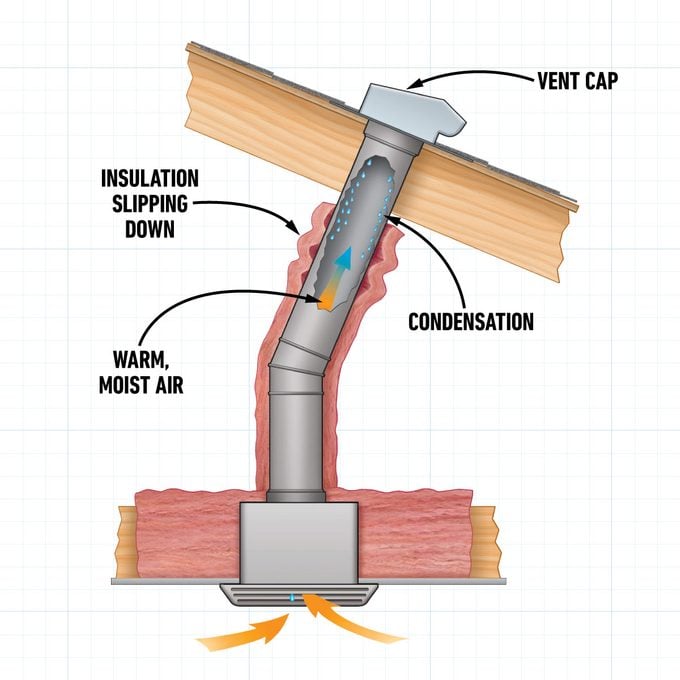
Credit: www.familyhandyman.com
Common Causes
Rainwater can leak through bathroom vents due to poor sealing or damaged vent covers. Clogged vent pipes might also cause this issue. Regular maintenance can prevent these leaks, keeping your bathroom dry and safe.
If your bathroom vent leaks water when it rains, it might be more than just an annoying inconvenience. This issue can lead to serious damage if left unaddressed. Understanding the common causes can help you pinpoint the problem and take the right steps to fix it.
Poor Installation
Poor installation is a frequent culprit behind bathroom vent leaks. When vents are not properly sealed or aligned during installation, rainwater can easily seep through gaps. Imagine having a new vent installed, only to find it leaking during the first heavy rain – frustrating, right? Ensure that all connections are tight and properly sealed. This not only prevents leaks but also keeps your bathroom air quality intact. Checking installation quality early on can save you from costly repairs later.
Damaged Vent Cover
Another common cause of leaks is a damaged vent cover. Over time, exposure to harsh weather can cause cracks or breaks in the vent cover. These openings allow rainwater to enter and trickle down into your bathroom. Inspect your vent cover regularly, especially after severe weather. A simple crack, though easy to overlook, can lead to significant water intrusion. Replacing a damaged vent cover is often a quick fix that saves a lot of trouble.
Clogged Vent
A clogged vent can also lead to leaking problems. Debris such as leaves, dirt, or nests can block the vent, preventing proper airflow and causing water to back up. Have you checked your vent lately? Regular cleaning can prevent clogs from becoming an issue. Removing debris ensures water can drain correctly, reducing the risk of leaks. Keeping your vent clear is a straightforward way to maintain its functionality and protect your home. Are you experiencing any of these issues? Addressing them promptly can help you avoid further damage and keep your bathroom dry and safe.
Identifying The Problem
Rainwater can seep through a bathroom vent, causing leaks. This issue often results from poor sealing or damaged roofing. Identifying the source of the leak is crucial to prevent further water damage and maintain a dry, safe bathroom environment.
Identifying the problem of a bathroom vent leaking water when it rains can be daunting. But once you know what to look for, it becomes manageable. With some careful observation and a bit of detective work, you can pinpoint the issue.
Signs Of Leakage
The first step is recognizing the signs of leakage. A telltale sign is water stains on your bathroom ceiling. These stains might appear as dark patches or rings, indicating water has been absorbed over time. Another sign is an unusual musty smell. If your bathroom suddenly smells damp or moldy, water might be seeping through the vent and saturating surfaces. You might also notice peeling paint or wallpaper around the vent area. Such damage occurs when moisture builds up and compromises the adhesive holding your decor in place.
Inspecting The Vent
Once you’ve identified signs of leakage, it’s time to inspect the vent. Start by checking the vent cover from inside your bathroom. Is it loose or misaligned? A poor fit can allow rainwater to seep through. Next, head outside and look at the vent from your roof. Check for any visible damage or blockage. Is the vent cap missing or cracked? Sometimes, debris like leaves or dirt can block the vent, causing water to divert into your home. During your inspection, it’s crucial to ensure the vent is properly sealed. Look for gaps or cracks around the edges. These can serve as entry points for water, especially during a heavy downpour. Remember, addressing these issues promptly can save you from more extensive repairs later. Have you noticed any of these signs in your home? Taking action now can prevent headaches in the future.
Immediate Solutions
Rainy days are refreshing, but what happens when your bathroom vent starts leaking water during a storm? It’s a problem you can’t ignore. You need immediate solutions to prevent further damage and avoid mold growth. Whether it’s just a few drops or a constant drip, addressing this issue promptly can save you time and money.
Temporary Fixes
Begin by inspecting the vent cover for any visible cracks or gaps. A simple application of waterproof tape might do the trick for minor issues. This quick fix can prevent water from seeping in until you can get a permanent solution.
Another temporary solution is placing a plastic sheet or tarp over the vent on the roof. This acts as a barrier against rainwater, but remember to secure it well to withstand wind gusts. This method can buy you some time, especially if a professional visit is scheduled for later.
Emergency Measures
If the leaking is severe, consider placing a bucket or container under the vent inside your bathroom. This prevents water damage to floors and furniture. It’s a simple measure but effective in controlling the situation temporarily.
Have you thought about sealing the area around the vent with a silicone-based sealant? It’s a quick fix that can help stop water infiltration. Ensure the surface is dry before application for optimal results. This emergency measure can provide relief until you can install a more robust solution.
Remember, every drop counts. How can you turn this rainy day problem into an opportunity to improve your home’s resilience? Take action now, and your future self will thank you.
Credit: www.almarbuilding.com
Permanent Repairs
Addressing a leaking bathroom vent requires a permanent fix. This ensures a dry and safe bathroom environment. Temporary fixes won’t last through harsh weather conditions. It’s important to tackle the root cause of the leak. Let’s explore effective solutions.
Replacing Vent Components
Sometimes, replacing worn-out vent parts is necessary. Damaged components can cause leaks. Inspect the vent cap and flashing. Look for signs of wear or damage. Replace any broken parts promptly. New components provide a better seal. This reduces the risk of future leaks. Ensure all parts are properly installed.
Sealing Leaks
Sealing leaks is crucial for stopping water ingress. Use high-quality sealant around the vent. Focus on areas prone to leaks. Especially where the vent meets the roof. Apply sealant in dry conditions for best results. This creates a strong barrier against water. Regularly check seals for any signs of wear. Reseal if necessary to maintain protection.
Preventive Maintenance
Preventive maintenance is key to keeping your bathroom vent functioning optimally, especially during rainy seasons. There’s nothing more frustrating than stepping into a bathroom with a leaking vent. It’s not just an inconvenience; it can lead to mold, mildew, and structural damage. Let’s discuss how regular inspections and cleaning can help you avoid these issues.
Regular Inspections
Have you ever thought about the last time you checked your bathroom vent? A simple inspection every few months can save you from costly repairs. Look for visible cracks or gaps around the vent and ensure the sealant is intact. If you spot any signs of wear, consider resealing or replacing parts as needed. This small effort can prevent water from seeping in during heavy rains.
Cleaning And Upkeep
Dust and debris can accumulate over time, affecting the vent’s efficiency. Regular cleaning is essential for preventing blockages that might redirect water flow into your bathroom. Use a soft brush or a vacuum to remove dust buildup. It’s a quick task that can make a significant difference. Don’t forget to check the vent cover for rust or damage—these can be easily replaced to ensure a tight seal against the rain.
Have you noticed that simple maintenance steps can often prevent bigger problems? It’s worth investing a little time now to avoid headaches later. What steps will you take to ensure your vent stays leak-free?
Professional Help
Water leaking from a bathroom vent during rain is a problem. It can cause damage and mold. Many homeowners attempt to fix it themselves. But sometimes, expert assistance is necessary. A professional can diagnose complex issues that are not obvious. They ensure repairs are thorough and lasting.
When To Call An Expert
Call an expert when leaks persist despite your efforts. If water damage worsens, don’t delay. Notice signs like peeling paint or stains? It’s time. Are you unsure of the leak’s source? A professional can help. They have tools and experience. They ensure a precise diagnosis. Safety is also a concern. Professionals handle dangerous situations. Avoid risk by calling them.
Choosing The Right Service
Choosing the right service is crucial. Start by researching local services. Read reviews from past clients. Positive feedback indicates reliability. Check for proper licensing and insurance. These ensure legitimacy and protection. Ask about their experience with similar issues. Experienced professionals provide better solutions. Request a detailed estimate. It helps in planning your budget. Compare estimates from multiple services. Choose the best balance of price and service. A thorough approach ensures peace of mind.

Credit: diy.stackexchange.com
Frequently Asked Questions
Why Does My Bathroom Vent Leak When It Rains?
Rainwater can enter if the vent is improperly sealed or damaged. Check for cracks or loose fittings.
How Can I Prevent Water Leaks From My Vent?
Ensure seals are tight and vents are angled correctly. Regularly inspect and maintain to prevent leaks.
What Damage Can A Leaking Vent Cause?
A leaking vent can cause mold, structural damage, and stains. Prompt repair is crucial to avoid costly issues.
Can A Professional Fix My Leaking Bathroom Vent?
Yes, professionals can assess and repair vent leaks. They offer solutions to prevent future water damage.
Is It Expensive To Repair A Leaking Vent?
Repair costs vary. Simple fixes may be cheap, but extensive damage could require more costly repairs.
Conclusion
Solving a bathroom vent leak is crucial for home protection. Regular maintenance helps prevent damage. Check seals and flashing after every storm. Clear debris around the vent to ensure proper drainage. Consider professional help if the problem persists. A dry, leak-free bathroom keeps your home safe and comfortable.
Act promptly to avoid costly repairs. Remember, a small leak can lead to bigger issues. Stay proactive and enjoy peace of mind. Your home deserves the best care. Protect it from water damage and maintain its value.