When you’re tackling a construction project, the tools and materials you choose can make all the difference. Picture this: you’re standing in the hardware aisle, staring at a wall of framing nails.
You’re here to make a decision, but you find yourself torn between the two most common sizes—3 1/4 and 3 1/2 inch framing nails. Which do you choose? The stakes are high because the right decision can influence the strength and durability of your structure, while the wrong one could lead to costly mistakes.
This is where your curiosity pays off. Understanding the nuances between these two nail sizes isn’t just beneficial—it’s essential. You’ll discover the crucial differences, advantages, and specific use cases for each. By the end, you’ll feel confident in selecting the perfect nails for your project, potentially saving you time, money, and a whole lot of frustration. So, let’s delve into the world of framing nails and uncover which is the better choice for you.
Framing Nails Basics
Framing nails are essential in construction. They hold things together. You see them in house frames, decks, and other structures. Choosing the right nail size is crucial. It impacts the strength and durability of the construction. Two popular sizes are 3 1/4 inches and 3 1/2 inches. Both have unique uses and benefits.
Purpose In Construction
Framing nails connect large pieces of wood. They are crucial in building frames for houses and other structures. They ensure a stable and secure frame. This is important for the safety of the structure. A good choice of nail size affects the final outcome. It can provide the needed strength and support.
Common Sizes And Uses
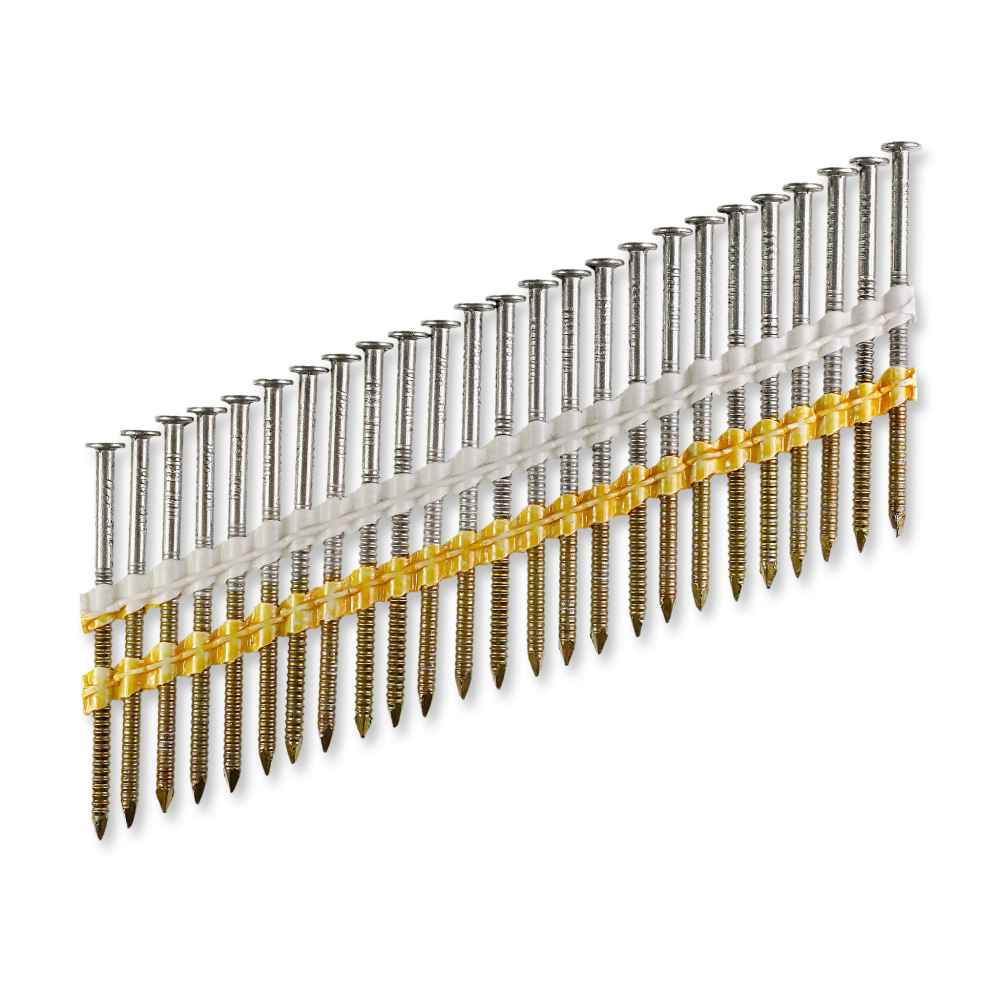
3 1/4-inch nails are common for general framing tasks. They are versatile and work in many projects. They offer a good balance of strength and ease of use. Builders often choose them for walls and roofs.
3 1/2-inch nails are slightly longer. They are used for larger, heavier structures. They provide extra holding power. This makes them ideal for load-bearing walls. Both sizes are vital in construction. The choice depends on the specific needs of the project.
Credit: www.fastenersplus.com
3 1/4 Framing Nails
3 1/4 framing nails are a popular choice for many construction projects. They have a slightly shorter length than the 3 1/2 nails. This makes them ideal for specific tasks where precision is key. Their smaller size can offer benefits in certain applications.
Advantages In Specific Projects
3 1/4 nails are perfect for projects with tight spaces. Their shorter length allows for easier handling. They reduce the risk of splitting wood. This is important in delicate materials like trim and molding. These nails work well in framing smaller structures. They provide a secure fit without over-penetrating.
These nails have a lighter weight. This makes them easier to carry on large jobs. They are often preferred for overhead work. Their size reduces strain during installation. This helps when working long hours.
Limitations To Consider
3 1/4 nails may not suit all tasks. Their shorter length can limit their use in thick wood. Larger projects often require longer nails for stability. These nails may not provide the needed hold for heavy-duty work. Their reduced size can affect structural integrity in some cases.
They might not be the best for outdoor projects. Shorter nails may not withstand harsh weather. Rust or corrosion can weaken them over time. Longer nails might be better for exterior tasks. They offer more durability against the elements.
3 1/2 Framing Nails
3 1/2 framing nails are a common choice for construction. Their longer length provides a secure hold in various materials. These nails are ideal for projects needing extra strength. They are often used in framing walls, roofs, and floors. Their size makes them versatile and reliable in heavy-duty tasks.
Benefits In Various Applications
3 1/2 framing nails offer strength and durability. They hold well in thick wood, preventing shifts. They are perfect for load-bearing structures. Builders use them in house framing due to their firm grip. They withstand pressure and weather changes. These nails ensure stability in large projects. They are also suitable for outdoor constructions.
Potential Drawbacks
The size of these nails can pose challenges. They may split thinner wood. Using them requires more force and effort. This can slow down construction speed. Nail guns may jam with larger nails. Their size can make precise placement harder. Builders need to ensure proper alignment. Mistakes can be costly in large projects.
Comparing Nail Sizes
Choosing the right nail size can make or break your construction project. Whether you’re a seasoned builder or a DIY enthusiast, understanding the differences between 3 1/4 and 3 1/2 framing nails is crucial. Each size has its unique strengths and applications. But how do you decide which is best for your needs? Let’s dive into the details and see how these sizes stack up against each other.
Performance And Strength
3 1/4-inch nails are often preferred for lighter framing projects. They offer adequate strength without over-penetrating the material. This can be especially useful if you’re working with thinner wood or plywood.
On the other hand, 3 1/2-inch nails provide greater holding power. They’re the go-to choice for heavier construction tasks, like building walls or large structures. But do you really need that extra quarter inch for your project?
I’ve found that while working on my backyard shed, using 3 1/2-inch nails ensured the framework stayed intact during a storm. It was a small but significant choice that paid off in the long run.
Cost Implications
Cost is another factor to consider when comparing nail sizes. Generally, 3 1/4-inch nails tend to be more affordable. This is partly due to the smaller amount of material used in their production.
However, the price difference isn’t massive, but it’s there. If you’re working on a large-scale project, this could add up and affect your budget. Have you considered how much those extra quarters might cost you?
For smaller projects, the price difference might not be a deal-breaker. Yet, for larger builds, every penny counts. Weighing the cost against performance needs is key to making a smart choice.
Ultimately, choosing between 3 1/4 and 3 1/2-inch nails is about balancing performance and cost. What are your priorities for your next project? Make an informed decision to ensure it stands the test of time.
Factors Influencing Nail Choice
Choosing the right nail size impacts the strength of your construction. The 3 1/4 and 3 1/2 framing nails are popular options. Each size serves different purposes. The right choice depends on several factors. Understanding these can lead to a successful project.
Material Type And Thickness
The material type affects nail selection. Wood, for example, requires different nails than metal. Thicker materials need longer nails. They provide better hold and stability. A 3 1/2 nail is better for thick wood. It penetrates deeper, ensuring strong joints. For thinner materials, a 3 1/4 nail suffices. It offers adequate support without excess penetration.
Environmental Conditions
Environmental conditions play a significant role in nail choice. Outdoor projects face weather challenges. Rain, wind, and temperature changes impact materials. In such cases, the 3 1/2 nails offer more durability. They secure structures against strong winds. Indoor projects face fewer environmental stresses. The 3 1/4 nails work well here. They provide the needed support without overkill. Consider the environment to ensure long-lasting results.

Credit: www.grabberpro.com
Expert Recommendations
Choosing the right framing nail size can impact project success. Experts often debate the merits of 3 1/4-inch versus 3 1/2-inch framing nails. Each size has its own benefits, depending on the specific project needs. Understanding these differences can lead to better decisions and results.
Preferred Sizes For Different Projects
Experts suggest using 3 1/4-inch nails for most home projects. These nails offer strong support without risking wood splitting. For larger, more demanding tasks, 3 1/2-inch nails provide extra holding power. This size works well for heavy-duty framing tasks. Choose based on the materials and project scale.
Tips For Effective Usage
Maintaining proper nail angle ensures stronger connections. Drive nails at a slight angle for the best hold. Avoid overdriving nails, which can weaken the structure. Always check the nailer for compatibility with nail sizes. Regular maintenance of tools ensures consistent performance.
Credit: www.homedepot.com
Frequently Asked Questions
What Are The Main Differences Between 3 1/4 And 3 1/2 Nails?
The main difference is length. 3 1/2 nails are longer, providing more holding power.
Which Framing Nail Size Is Better For Heavy-duty Projects?
3 1/2 nails are better. They offer stronger support for heavy-duty projects.
Do 3 1/4 Nails Work Well With Framing Nailers?
Yes, they work well. Compatible with most standard framing nailers.
Are 3 1/2 Nails Suitable For Indoor Framing?
Yes, suitable. They provide strong connections for indoor framing projects.
Can I Use 3 1/4 Nails For Outdoor Framing?
Yes, you can. Ensure they are galvanized for outdoor weather protection.
Conclusion
Choosing between 3 1/4 and 3 1/2 framing nails depends on your project needs. Both sizes work well for different tasks. 3 1/4 nails fit lighter jobs. Think smaller frames and trim. 3 1/2 nails suit heavy-duty projects. Larger beams and thicker materials.
Always consider wood type and project scope. Nail size affects strength and stability. Consult local building codes for guidance. Proper nail choice ensures a strong structure. Your project becomes safe and durable. Confidently pick the right nail for your next build.
Building smart begins with wise nail selection.